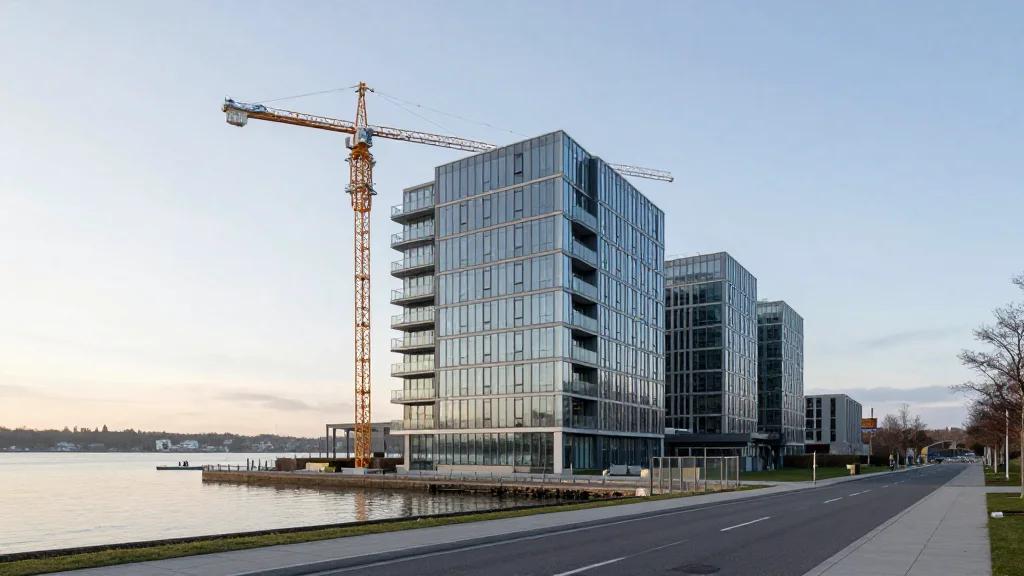
Kaeding Development Seeks Zoning Change for 31,700‑sq‑ft Harbor District Site in Milwaukee

Why It Matters
The Harbor District zoning request highlights a broader tension in Milwaukee’s downtown: developers are eager to tap underutilized waterfront parcels, yet rising construction costs and concerns about an oversupply of luxury units have stalled many projects. Approving Kaeding’s plan could signal that the city is willing to prioritize new housing supply, even as it invests $12 million in streets and bike lanes to improve livability. If the rezoning passes, it may also set a precedent for how the city handles other dormant sites. A successful project could restore confidence among lenders and investors, encouraging further private‑public partnerships to address the region’s housing shortage while leveraging existing infrastructure investments.
Key Takeaways
- •Kaeding Development files a Common Council resolution to rezone 31,700‑sq‑ft Harbor District site at 234 S. Water St.
- •Council President Jose Perez introduced the zoning change from general‑plan to detailed‑plan development.
- •The site has a $1.5 million city loan for environmental cleanup and sits within a $12 million streets‑improvement district.
- •Previous proposals—including a 133‑unit, 11‑story building—were halted by higher interest rates and construction cost spikes.
- •If approved, the project could add mid‑rise multifamily housing to a waterfront area long‑awaiting development.
Pulse Analysis
Milwaukee’s downtown waterfront has become a microcosm of the national multifamily market: developers face a paradox of high demand for housing and a simultaneous surge in construction financing costs. Kaeding’s bid arrives at a moment when the city is actively upgrading its public realm, suggesting a strategic alignment of private development with municipal infrastructure spending. The $12 million streetscape budget, funded by newer commercial tax revenues, effectively lowers the marginal cost of delivering a new residential building, making the economics more palatable for a developer that already proved its execution chops with the Evoni project.
However, the specter of an oversupplied high‑end market remains. Ryan Bedford’s earlier comments about a “saturation of high‑end apartments” echo a cautionary note that any new supply must be calibrated to actual demand. Kaeding may need to incorporate a mix of market‑rate and affordable units to satisfy both city policy goals and market realities. The city’s willingness to allocate a $1.5 million cleanup loan indicates a public‑private risk‑sharing model that could become a template for other stalled sites.
Looking ahead, the council’s decision will be a bellwether for Milwaukee’s capacity to unlock dormant parcels. A green light could accelerate the city’s housing pipeline, attract further investment, and reinforce the notion that strategic zoning reforms—paired with targeted public spending—can overcome the cost headwinds that have crippled many urban development projects across the United States.
Kaeding Development seeks zoning change for 31,700‑sq‑ft Harbor District site in Milwaukee
Comments
Want to join the conversation?
Loading comments...