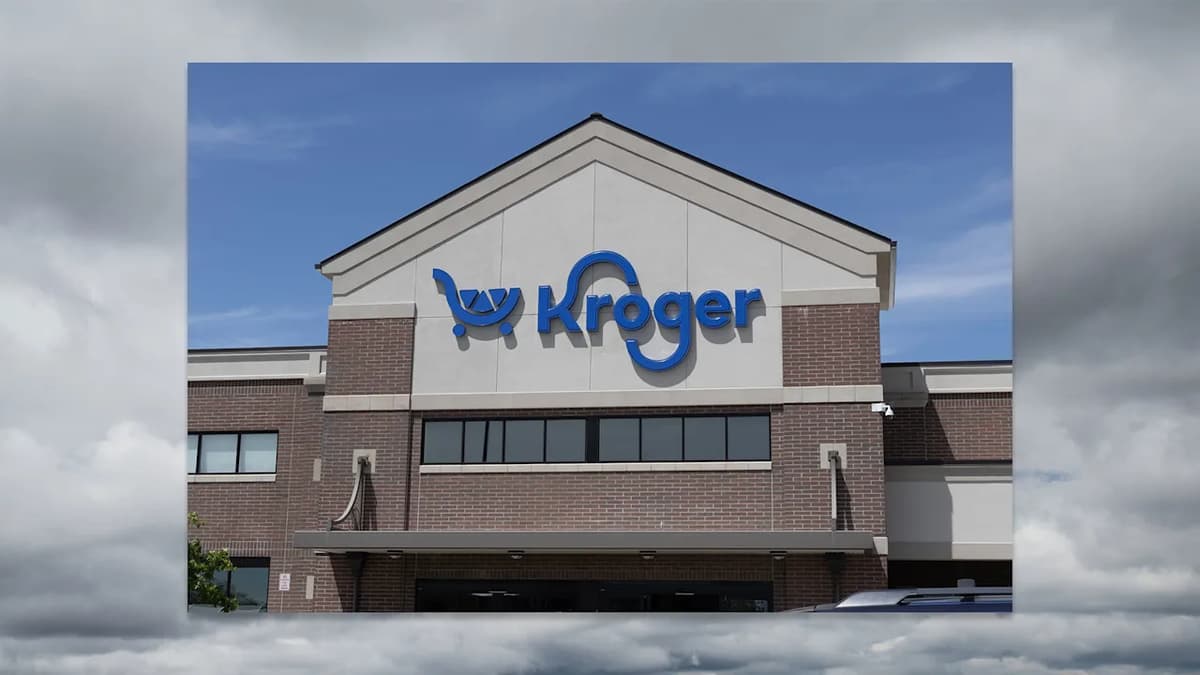
Kroger Is Closing Stores: See the Updated List that Shows Shuttered Locations Across the Country
•March 6, 2026
0
Why It Matters
The shutdowns reshape grocery market dynamics, potentially reducing local food access while signaling Kroger’s effort to improve profitability and streamline operations for investors.
Key Takeaways
- •33 Kroger stores closed since June 2023
- •Target: ~60 closures under optimization plan
- •Closures affect Kroger, Fred Meyer, Harris Teeter, others
- •Kroger hasn't released official list of closing locations
- •Plan expected to deliver modest financial benefit
Pulse Analysis
Kroger’s aggressive footprint optimization mirrors a wider retail trend where legacy grocers trim underperforming locations to offset margin pressure from discounters and online platforms. By targeting roughly 60 stores, the Cincinnati‑based chain aims to reallocate capital toward higher‑margin formats, technology upgrades, and supply‑chain efficiencies. Analysts view the move as a defensive response to inflation‑squeezed consumers who are gravitating toward value‑oriented competitors and curb‑side pickup services, forcing traditional supermarkets to reassess real‑estate footprints.
The community impact of each closure is immediate and tangible. Neighborhoods lose convenient access to fresh produce, and employees face uncertainty as Kroger’s workforce, now over 400,000 strong, contracts in affected markets. While the company has not disclosed exact job losses, each shuttered store typically eliminates 50‑100 positions, amplifying local unemployment concerns. Real‑estate owners and municipal planners must grapple with vacant retail spaces, prompting discussions about adaptive reuse—ranging from mixed‑use developments to last‑mile logistics hubs—to mitigate the socioeconomic fallout.
From an investor standpoint, the modest financial benefit projected by Kroger hinges on cost savings outweighing short‑term revenue dips. Successful execution could improve earnings per share, bolster cash flow, and free capital for strategic initiatives such as expanding private‑label offerings or enhancing digital ordering capabilities. However, the long‑term payoff depends on how effectively Kroger reinvests the savings into high‑growth areas and maintains brand relevance amid a rapidly evolving grocery landscape. Stakeholders will watch closely for quarterly results that validate whether the store closures translate into sustainable profitability.
Kroger is closing stores: See the updated list that shows shuttered locations across the country
0
Comments
Want to join the conversation?
Loading comments...