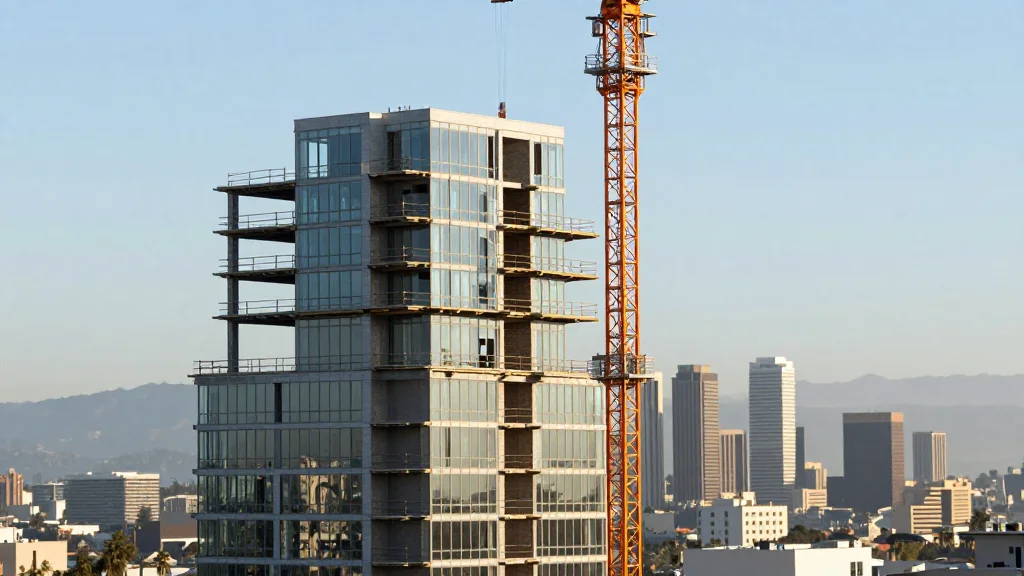
LA Defies Critics With Wave Of New Apartment Construction
Companies Mentioned
Why It Matters
The construction boom signals that Los Angeles remains a rare growth market amid a national multifamily slowdown, offering developers a timing advantage before new supply tightens. It also highlights how policy and investor sentiment can diverge, shaping where capital flows in the U.S. housing sector.
Key Takeaways
- •Q1 2026 saw 4,000+ LA apartment starts, double last year
- •National multifamily starts rose only 20% in March, far slower
- •LA rents fell 1.4% YoY, still outpacing Austin’s 5.7% decline
- •Measure ULA’s 4‑5.5% luxury tax cut commercial deals 30‑50% since 2023
- •Investment volume in LA apartments steadied at $8 B, down from $12 B peak
Pulse Analysis
Los Angeles is emerging as a notable outlier in today’s multifamily landscape. While developers across the Sun Belt have throttled back after a 2024‑25 construction surge, LA’s pipeline surged to over 4,000 units in the first quarter, a level not seen since 2022. This pace, roughly twice the city’s year‑over‑year start count, dwarfs the 20% national increase reported by the Census Bureau, underscoring a localized confidence that defies broader market softness. Analysts point to a combination of demographic inflows—particularly from aerospace and defense firms in the South Bay—and a relatively resilient rent base, even as LA’s average rent slipped 1.4% year‑over‑year, still better than the 5.7% drop in Austin.
Regulatory dynamics, however, remain a double‑edged sword. Measure ULA, enacted in 2023, imposes a 4% levy on transactions over $5 million and 5.5% on deals exceeding $10 million, curbing commercial activity by 30‑50% according to UCLA data. Coupled with a recent 4% cap on annual rent hikes for rent‑stabilized units—affecting roughly 651,000 apartments—the policy environment has prompted firms like Camden Property Trust to exit California entirely. Yet developers such as High Street Residential argue that these constraints also thin competition, creating a window for projects that deliver premium amenities and target young professionals.
Looking ahead, the market’s trajectory hinges on migration patterns and investor appetite. With investment volume in LA‑area apartments holding steady at about $8 billion—down from the $12 billion peaks of 2021‑22—capital is selective, favoring projects that align with emerging demand corridors. Developers anticipate that the current supply glut will recede within two years, positioning early‑stage builds to capture higher rents and lower vacancy rates. For investors, the city’s unique blend of demographic growth, limited new competition, and a still‑attractive rent ceiling makes Los Angeles a compelling, albeit nuanced, play in an otherwise cautious multifamily environment.
LA Defies Critics With Wave Of New Apartment Construction
Comments
Want to join the conversation?
Loading comments...