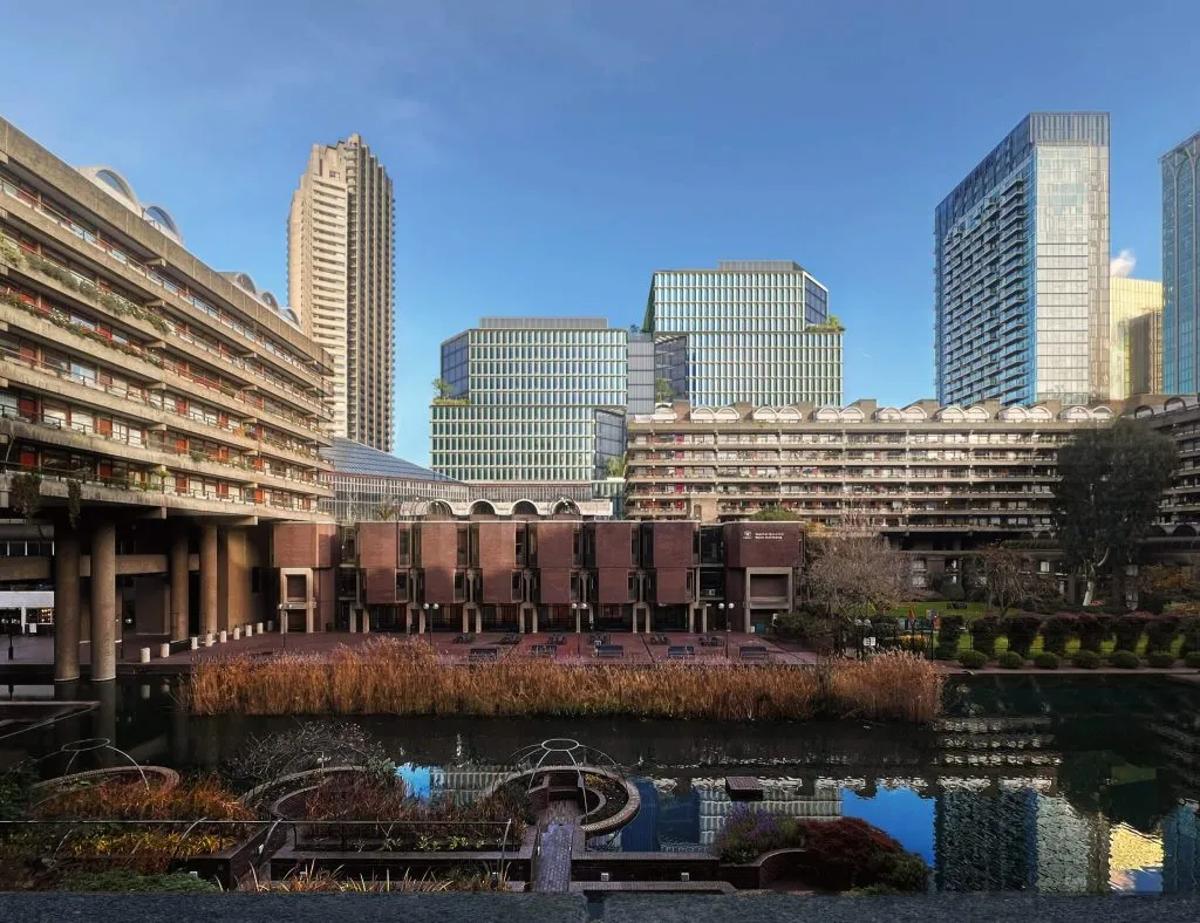
Lipton Rogers and LaSalle Trim Down Barbican Office Scheme After Backlash
•February 25, 2026
0
Why It Matters
The scaled‑back scheme demonstrates how community and heritage pressure can reshape high‑value office developments, influencing supply and design standards in central London’s market.
Key Takeaways
- •Height reduced by three storeys to 17
- •Office space cut by 5%
- •Public backlash prompted design changes
- •Privacy terraces removed to appease residents
- •Peregrine falcon nesting to be confirmed
Pulse Analysis
London’s Barbican has long been a focal point for ambitious office projects, and the original 1 Silk Street proposal epitomised that trend. Announced in June, the £450 million scheme featured twin 20‑storey towers delivering nearly one million square feet of commercial space, alongside retail and community amenities. However, heritage bodies such as Historic England and the Twentieth Century Society, together with over a thousand local objections, flagged the development’s scale, massing, and potential impact on the historic skyline. The backlash highlighted growing sensitivity to urban density and the preservation of cultural assets in the City’s core.
In response, Lipton Rogers submitted a revised design that trims the western tower to 17 storeys, aligning it more closely with the existing 1 Silk Street building. The reduction trims office capacity by about 5 % and eliminates several outdoor terraces, directly addressing resident privacy concerns. Updated facades aim to blend with the surrounding architecture, while daylight modeling shows improved illumination for neighboring towers. An additional environmental layer now requires confirmation that two peregrine falcons nesting nearby are not disturbed before any ground‑breaking, underscoring the increasing weight of ecological considerations in high‑rise projects.
The episode serves as a cautionary tale for developers targeting prime City locations. It reinforces the business case for early stakeholder engagement, flexible design approaches, and proactive environmental assessments. By accommodating community feedback, LaSalle hopes to secure planning consent and preserve its investment, while the market watches how such concessions might affect future office supply in a post‑pandemic landscape where demand remains volatile. The outcome could set a precedent for balancing profitability with heritage preservation and sustainability in London’s evolving office sector.
Lipton Rogers and LaSalle trim down Barbican office scheme after backlash
0
Comments
Want to join the conversation?
Loading comments...