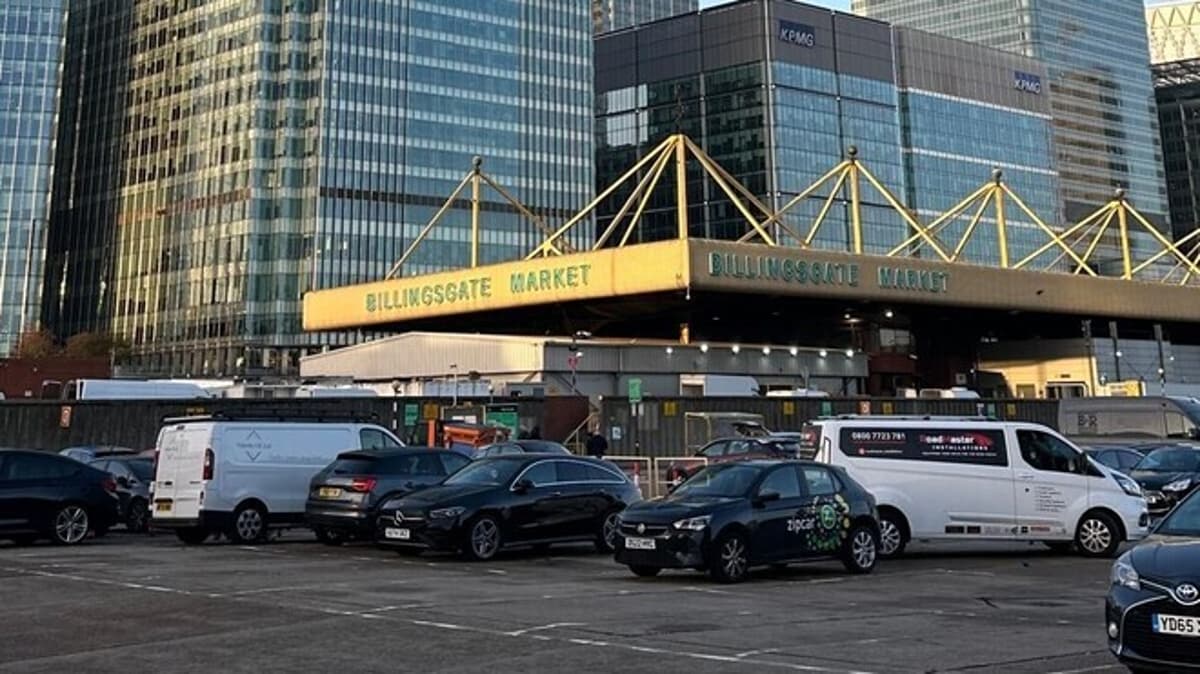
London’s Legendary Billingsgate Market Is Being Turned Into a New Neighbourhood with 10,000 Homes
Why It Matters
The redevelopment tackles London’s severe housing shortage and seeks to create a balanced live‑work ecosystem, potentially setting a model for future urban regeneration across the city.
Key Takeaways
- •10,000 homes planned for Billingsgate redevelopment.
- •Project aims to link Poplar with Canary Wharf.
- •Fish market will relocate to Royal Docks by 2028.
- •Council seeks developers for 2026 start.
- •Mixed-use quarter to create jobs and community cohesion.
Pulse Analysis
London’s chronic housing shortage has forced officials to repurpose underused sites, and the former Billingsgate Fish Market is now at the centre of an ambitious scheme. Tower Hamlets Council, together with the City of London Corporation, unveiled a plan for roughly 10,000 new homes on the 13‑acre Poplar parcel. Branded “Future Places,” the project targets a 2026 start and promises a mixed‑use neighbourhood linking South Poplar with Canary Wharf. Converting the historic market into residential and commercial space aims to ease unaffordable housing pressure while preserving the market’s legacy through relocation to the Royal Docks.
While the fish market will vacate its Poplar home, it is slated to reopen in Newham’s Royal Docks by 2028, maintaining its role in the city’s food supply chain. The new quarter will feature improved DLR links, pedestrian routes, and public spaces designed to knit together the bustling Canary Wharf business district and the residential fabric of South Poplar. Planners project thousands of jobs alongside the housing units, emphasizing a balanced ecosystem of employment, retail, and community amenities that could set a benchmark for future London regeneration projects.
The “Future Places” initiative signals a shift toward large‑scale, mixed‑use developments as a solution to London’s affordability crisis, inviting private capital to share risk and reward. By aligning the project with the city’s broader transport strategy, Tower Hamlets hopes to attract both domestic and international developers eager for long‑term returns. However, the speculative nature of the timeline, potential heritage concerns, and the need for affordable‑unit quotas could spark community debate. If executed successfully, the Billingsgate transformation could become a template for unlocking dormant industrial sites across the UK’s metropolitan regions.
London’s legendary Billingsgate market is being turned into a new neighbourhood with 10,000 homes
Comments
Want to join the conversation?
Loading comments...