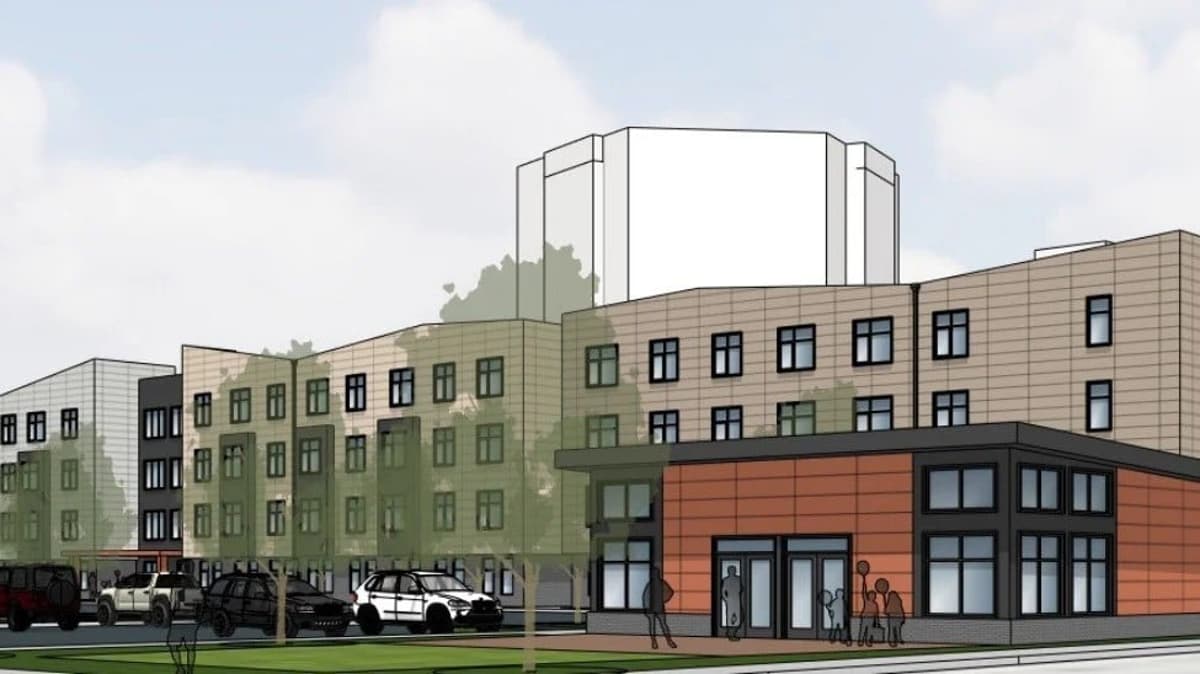
Lowell Historic Board Okays Redevelopment of 1960s-Vintage Affordable
Why It Matters
The initiative expands affordable housing stock while modernizing a dated urban‑renewal site, addressing both supply shortages and resident well‑being. It also signals municipal willingness to approve large‑scale, historically sensitive projects in mid‑size cities.
Key Takeaways
- •$40M redevelopment approved by Lowell Historic Board
- •116 existing affordable units will be demolished
- •Project will add 160 new affordable units
- •First two phases cover 281 and 463 Moody Street
- •Redevelopment aims to improve resident quality of life
Pulse Analysis
Lowell’s downtown is undergoing its most ambitious affordable‑housing refresh in decades. The city’s Historic Board, traditionally cautious about altering mid‑century structures, approved a $40 million plan that replaces 116 aging units with 160 modern apartments. Built during the post‑war urban renewal wave, the North Canal properties have long suffered from design flaws and deteriorating materials, prompting the Coalition for a Better Acre and New North Canal LLC to propose a comprehensive teardown and rebuild. By targeting 281 and 463 Moody Street, the developers aim to revitalize the Acre neighborhood while preserving its historic character.
The redevelopment’s scale is notable for a city the size of Lowell, where affordable housing is a persistent challenge. Adding 160 new units not only offsets the loss of the 116 demolished apartments but also raises the overall supply, helping to meet demand from low‑ and moderate‑income households. The partnership with Maloney Properties, a seasoned property‑management firm, suggests a focus on long‑term resident services and maintenance, addressing past criticisms about construction quality. Modern design standards will likely improve energy efficiency, accessibility, and communal spaces, directly enhancing quality of life for future tenants.
Beyond the local impact, the project reflects broader trends in secondary markets where municipalities balance historic preservation with the need for updated affordable housing. Approval by a historic board indicates a growing flexibility to reinterpret preservation guidelines when community benefits are clear. If successful, the three‑phase plan could become a template for other post‑war developments across New England, encouraging public‑private collaborations that deliver higher‑quality, cost‑effective housing while respecting architectural heritage.
Lowell Historic Board Okays Redevelopment of 1960s-Vintage Affordable
Comments
Want to join the conversation?
Loading comments...