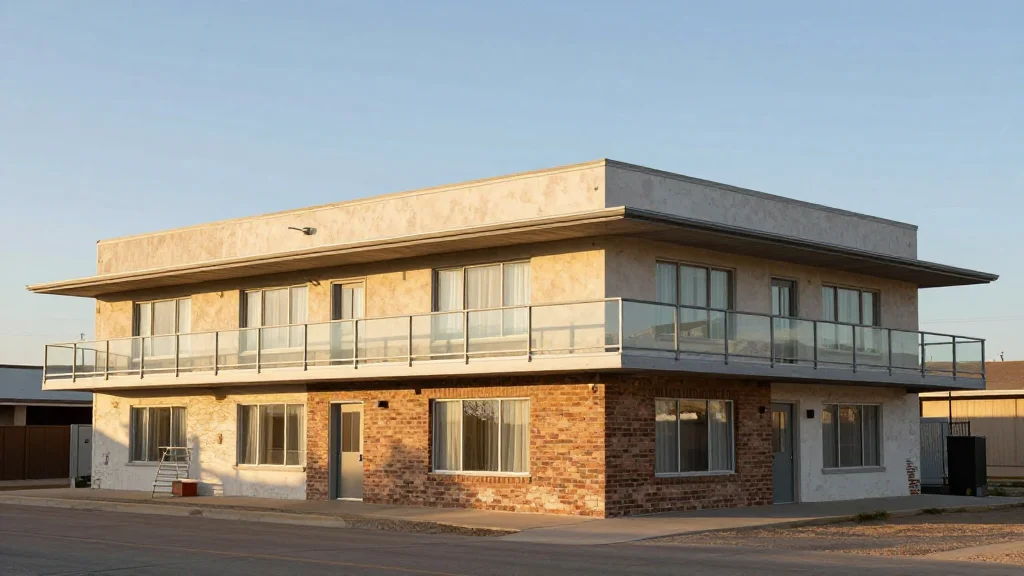
Lubbock, Texas Embraces Hotel to Housing Trend
Why It Matters
By turning vacant hotel space into affordable units, Lubbock directly eases its housing deficit while demonstrating a scalable solution for other markets facing similar shortages. The initiative also signals policy momentum toward adaptive reuse as a cost‑effective housing strategy.
Key Takeaways
- •Inn Town Lofts adds 56 affordable units in downtown Lubbock
- •Rents range $452‑$1,789, about 30% below market
- •Project targets households earning up to 80% of AMI
- •Texas offers 26 affordable homes per 100 low‑income households
- •Hotel‑to‑housing model gaining traction in multiple states
Pulse Analysis
The hotel‑to‑housing conversion model is emerging as a pragmatic response to the chronic shortage of affordable homes across the United States. In Lubbock, developers and nonprofit groups repurposed a dated motel into Inn Town Lofts, delivering 56 units that cater to families earning as low as 30% of the area median income. By leveraging existing structures, the project sidesteps the lengthy permitting and high construction costs that typically stall new housing initiatives, offering a faster pathway to address demand.
Texas’s housing crisis is stark: the Texas Low Income Housing Information Service reports just 26 affordable homes for every 100 low‑income households. Inn Town Lofts directly confronts this gap, providing rents that sit roughly 30% below the city’s average rental market. The tiered income eligibility—30%, 50%, 60% and 80% of AMI—ensures a mix of households can benefit, fostering socioeconomic diversity in the downtown core. Such adaptive‑reuse projects also preserve historic architecture, adding cultural value while revitalizing underused commercial zones.
Beyond Texas, the trend is gaining momentum in states like California, where similar conversions have housed thousands, albeit with mixed outcomes. Policymakers are watching Lubbard’s rollout for lessons on financing, zoning flexibility, and community acceptance. If replicated, hotel‑to‑housing conversions could become a cornerstone of affordable‑housing strategies, delivering rapid, cost‑effective units while mitigating urban blight. Stakeholders—from city planners to private investors—should monitor these pilots to refine models that balance affordability, quality, and long‑term sustainability.
Lubbock, Texas embraces hotel to housing trend
Comments
Want to join the conversation?
Loading comments...