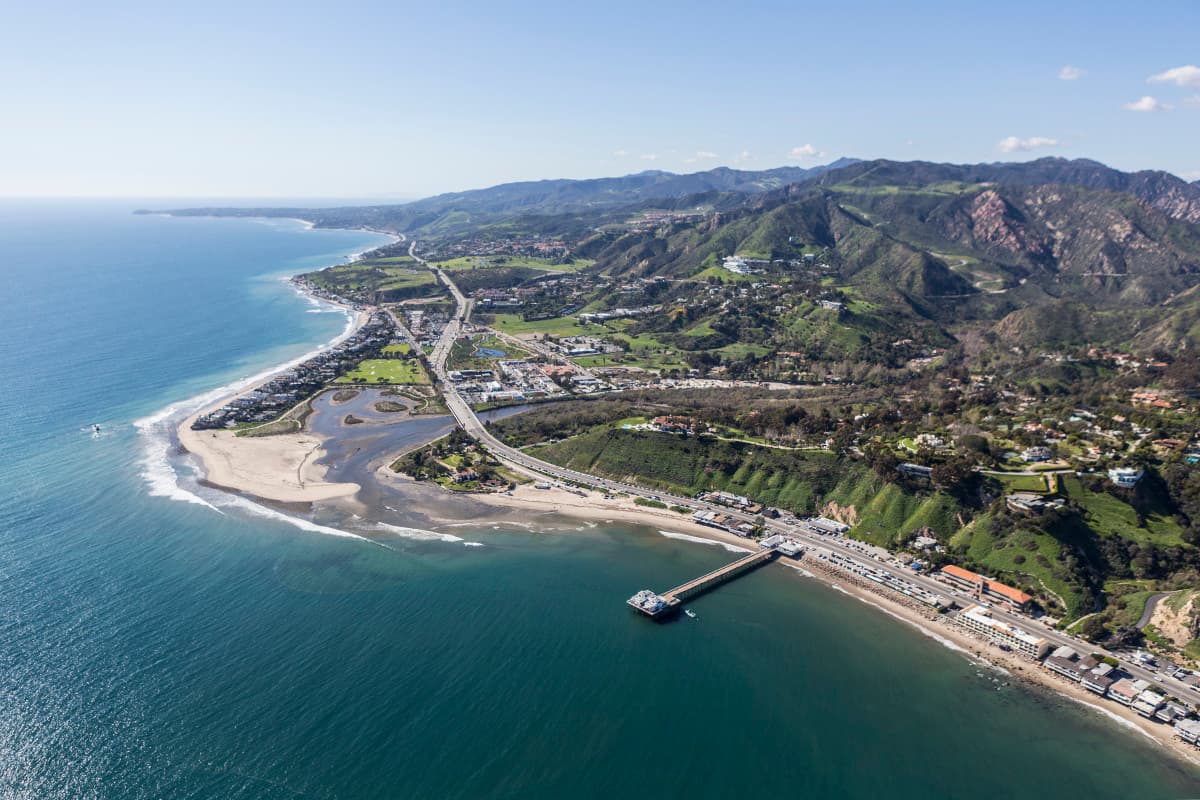
Malibu’s Fire Survivors Face ‘A Longer Road Than We Imagined’
•March 5, 2026
0
Why It Matters
The prolonged rebuilding underscores systemic gaps in disaster recovery, affecting housing stability and the local economy. It highlights the need for streamlined permitting and insurance reforms in fire‑vulnerable regions.
Key Takeaways
- •Palisades fire devastated Malibu, third major blaze.
- •City waived fees but tightened permitting requirements.
- •Underinsured homeowners face prolonged rebuilding delays.
- •Local businesses urge tourists to support recovery.
- •Residents reconsider returning to fire‑prone area.
Pulse Analysis
California’s wildfire season has accelerated, driven by climate change, prolonged droughts, and expanding development in high‑risk zones. Malibu, famed for its surf culture and affluent homes, experienced the 2025 Palisades fire—a blaze that ripped through the Palisades neighborhood, adding to the legacy of Woolsey and previous fires. The disaster not only destroyed property but also exposed a fragile insurance market, where many homeowners carry insufficient coverage, leaving them financially exposed and dependent on municipal aid.
In the aftermath, the City of Malibu announced expedited rebuilding measures: waiving permit fees, allowing a modest 10% increase in floor area, and promising swift approvals. Yet, on the ground, permitting grew more complex, demanding stricter seismic standards, documentation of pre‑fire conditions, and higher construction quality. For residents like Natasha Tan Scheffler, these added layers translate into months of delay, mounting costs, and emotional fatigue. The protracted process amplifies the trauma of displacement, prompting some families to abandon plans to return, while others grapple with the psychological toll of rebuilding in a known fire corridor.
The economic ripple extends beyond homeowners. Local hospitality venues, such as the Malibu Beach Inn, rely on tourism that dwindles when perceptions of safety wane. Business leaders are actively campaigning for visitors, emphasizing Malibu’s enduring allure to sustain cash flow and jobs. This situation spotlights broader policy questions: how can municipalities balance rigorous safety codes with the urgent need for affordable, rapid reconstruction? Streamlined permitting, targeted insurance reforms, and resilient building incentives could accelerate recovery, preserving both community fabric and the region’s vital tourism engine.
Malibu’s Fire Survivors Face ‘A Longer Road Than We Imagined’
0
Comments
Want to join the conversation?
Loading comments...