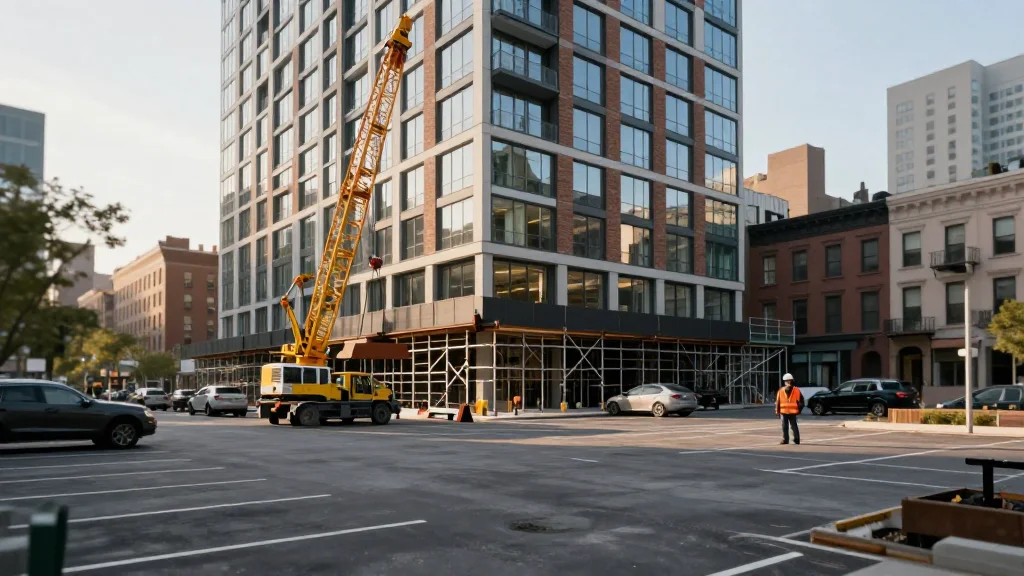
Mamdani Admin To Seek Developers For 140 Units On East Harlem Land
Why It Matters
This deal leverages tax incentives to accelerate affordable‑housing delivery in a high‑need area, reducing reliance on lengthy public financing. It signals NYC’s shift toward market‑driven solutions for the city’s housing shortage.
Key Takeaways
- •NYCEDC offers land for 140‑unit mixed‑use project without direct subsidy
- •Developers must use 485‑x tax abatement to fund affordable units
- •Minimum 35 of the 140 units will be affordable housing
- •Project is first of three East Harlem sites slated for private development
- •Cross‑subsidy model mirrors Gansevoort Square, speeding financing timelines
Pulse Analysis
New York City continues to grapple with a chronic affordable‑housing deficit, prompting officials to explore incentive‑driven models that marry public assets with private capital. The 485‑x tax abatement, a state‑level tool that reduces property taxes for qualifying projects, has become a cornerstone of this strategy. By allowing developers to channel the tax savings into affordable‑unit subsidies, the city sidesteps direct cash outlays while still meeting housing goals. This approach reflects a broader trend of leveraging fiscal policy to unlock underutilized land in dense urban neighborhoods.
The East Harlem parcel at 2453 Second Avenue exemplifies how the cross‑subsidy model can be applied to a mid‑scale, mixed‑use development. With 140 total units and a minimum of 35 set aside for low‑ and moderate‑income households, the project balances market‑rate apartments with a meaningful affordability component. Compared with the Department of Housing Preservation and Development’s traditional financing pipeline—often hampered by a decade‑long waitlist—the tax‑abatement route promises quicker capital deployment and earlier construction start dates. The precedent set by the Gansevoort Square redevelopment, which paired a similar tax incentive with a 590‑unit mixed‑income complex, suggests that developers can achieve favorable financing terms while delivering public benefits.
Looking ahead, the NYCEDC’s plan to roll out two additional East Harlem sites could amplify the impact of this model, potentially adding hundreds of new homes across the corridor. However, success hinges on clear RFP guidelines, robust community engagement, and vigilant oversight to ensure that the promised affordable units materialize. As the agency operates under interim leadership, its ability to coordinate with the Mamdani administration and maintain momentum will be critical. If executed effectively, the cross‑subsidy framework may become a replicable template for other boroughs seeking to accelerate housing production without expanding the city’s fiscal burden.
Mamdani Admin To Seek Developers For 140 Units On East Harlem Land
Comments
Want to join the conversation?
Loading comments...