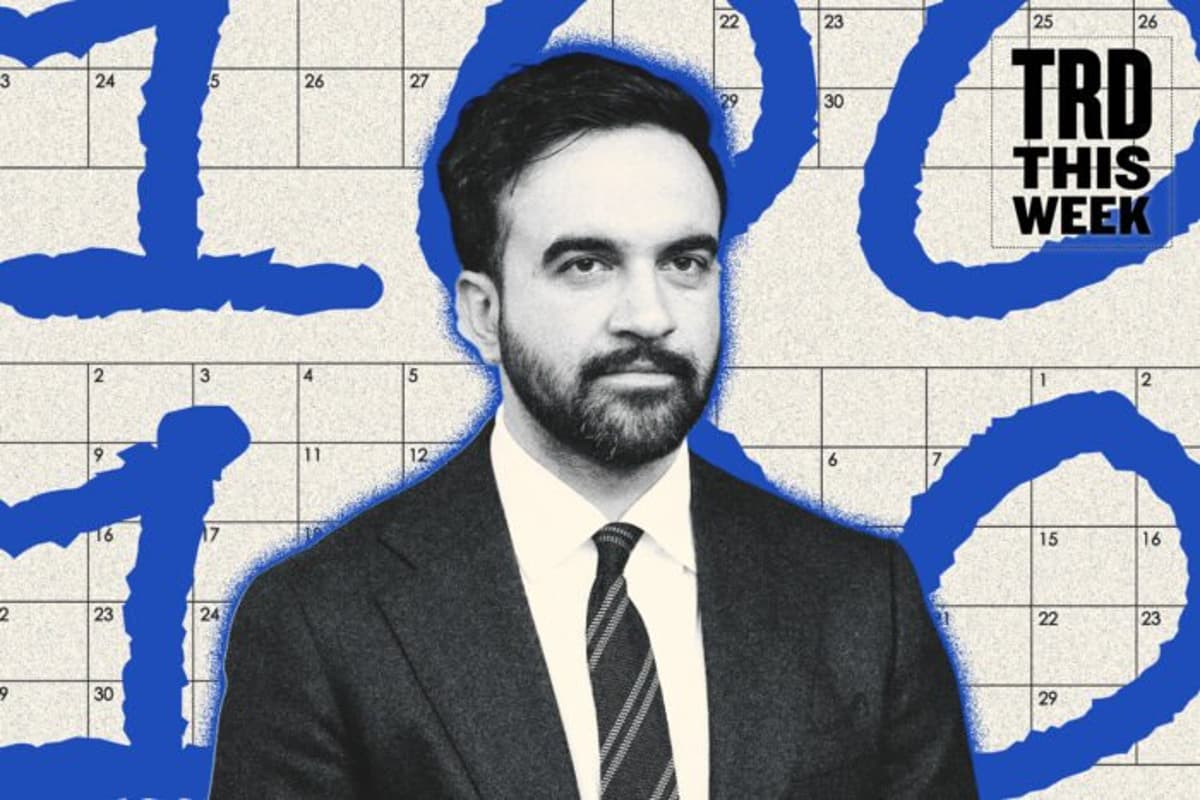
Mamdani’s First 100 Days Reshape City Hall’s Real Estate Calculus
Why It Matters
Mamdani’s early moves set a new policy tone that could reshape NYC’s rental market, influencing affordability, development pipelines, and the financial outlook for landlords and investors.
Key Takeaways
- •Reinstated Office to Protect Tenants, boosting tenant protections
- •Launched “rental ripoff” hearings targeting landlord fees
- •Deferred rent freeze, deferring to Rent Guidelines Board
- •SPEED task force aims to speed development approvals
- •Property‑tax hike proposal fuels budget‑housing policy clash
Pulse Analysis
New York City’s political landscape has taken a decisive turn under Mayor Zohran Mamdani, whose first 100 days have been marked by a clear tilt toward tenant advocacy. By reviving the Office to Protect Tenants and staffing it with officials from the 2019 rent‑law overhaul, the administration has cemented a regulatory framework that prioritizes rent‑stabilized renters. The high‑visibility “rental ripoff” hearings serve both as a deterrent to predatory fee structures and a signal to the broader market that the city will scrutinize landlord practices more aggressively. This approach aligns with the mayor’s Democratic Socialist platform and resonates with housing activists demanding stronger consumer protections.
At the same time, Mamdani is courting the development side of the equation. The newly formed SPEED task force is tasked with cutting red tape, while the city backs state‑level reforms to streamline environmental reviews—both aimed at accelerating the delivery of 200,000 affordable units pledged for the next decade. However, the administration’s reluctance to impose a direct rent freeze, opting instead to let the Rent Guidelines Board set limits, reflects a pragmatic balance between activist pressure and market realities. The proposed property‑tax increase, intended to close a $5.4 billion budget gap, adds another layer of complexity, potentially raising operating costs for owners and influencing investment decisions.
Looking ahead, the mayor’s lack of a dedicated business liaison could deepen the disconnect with the real‑estate community, especially as developers weigh the benefits of faster approvals against the uncertainty of higher taxes and tighter tenant regulations. Industry groups are already voicing frustration over delayed tax‑relief promises and insurance reforms. The success of Mamdani’s housing agenda will hinge on his ability to maintain coalition support—keeping tenant advocates energized, developers engaged, and the City Council on board—while navigating fiscal constraints that could reshape the city’s real‑estate economics for years to come.
Mamdani’s first 100 days reshape City Hall’s real estate calculus
Comments
Want to join the conversation?
Loading comments...