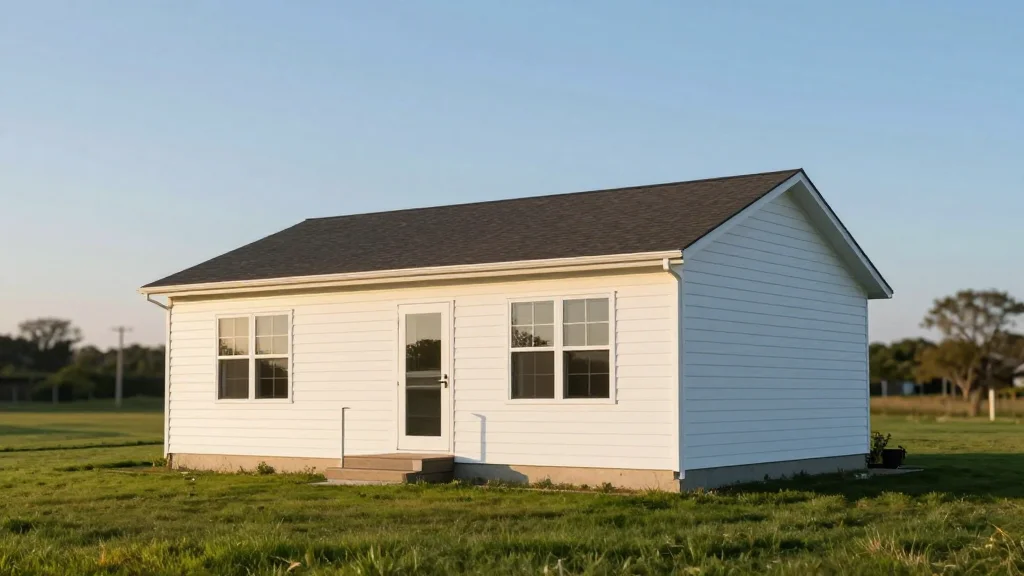
Manufactured Homes Market Set to Hit $42.7 Billion by 2031
Companies Mentioned
Why It Matters
The growth offers a scalable, lower‑cost answer to the U.S. housing shortage and creates new opportunities for lenders, builders, and first‑time buyers, reshaping the affordable‑housing landscape.
Key Takeaways
- •Market to reach $42.7 billion by 2031, 6.97% CAGR.
- •Manufactured homes cost 60‑65% less than conventional builds.
- •Average price $123k versus $300k+ for site‑built homes.
- •HUD and Freddie Mac policies extend financing, boosting demand.
- •Zoning and perception remain primary growth constraints.
Pulse Analysis
The manufactured‑homes sector is emerging as a cornerstone of affordable housing in the United States. With construction costs 60‑65% lower than traditional stick‑built homes, a typical factory‑built unit sells for about $123,000, dramatically undercutting the $300,000+ price tag of conventional houses. This price advantage, combined with a 30‑50% faster delivery timeline, makes manufactured homes attractive to first‑time buyers and downsizers facing persistent mortgage rates above 6%. Analysts at Mordor Intelligence forecast the market to climb to $42.7 billion by 2031, driven by a 6.97% CAGR and a steady rise in demand linked to housing‑affordability concerns.
Policy support is amplifying the sector’s momentum. The Department of Housing and Urban Development has signaled a strategic shift, planning to eliminate the chassis requirement and streamline program rules, while Freddie Mac recently extended cash‑out refinance terms from 20 to 30 years for manufactured‑home loans. These regulatory tailwinds lower financing costs and broaden home‑ownership pathways, prompting mortgage lenders to develop specialized products for factory‑built properties. As a result, the financing ecosystem is adapting, offering longer‑term, lower‑rate loans that align with the lower price point of manufactured homes.
Despite the upside, growth is not without obstacles. Local zoning ordinances often restrict where manufactured homes can be placed, and lingering stigma around “mobile” housing can deter potential buyers. Overcoming these barriers will require coordinated efforts from policymakers, developers, and community leaders to reframe perception and modernize land‑use regulations. If these challenges are addressed, the sector could capture a larger share of the housing market, delivering both economic returns for investors and much‑needed inventory for a nation grappling with a chronic housing deficit.
Manufactured homes market set to hit $42.7 billion by 2031
Comments
Want to join the conversation?
Loading comments...