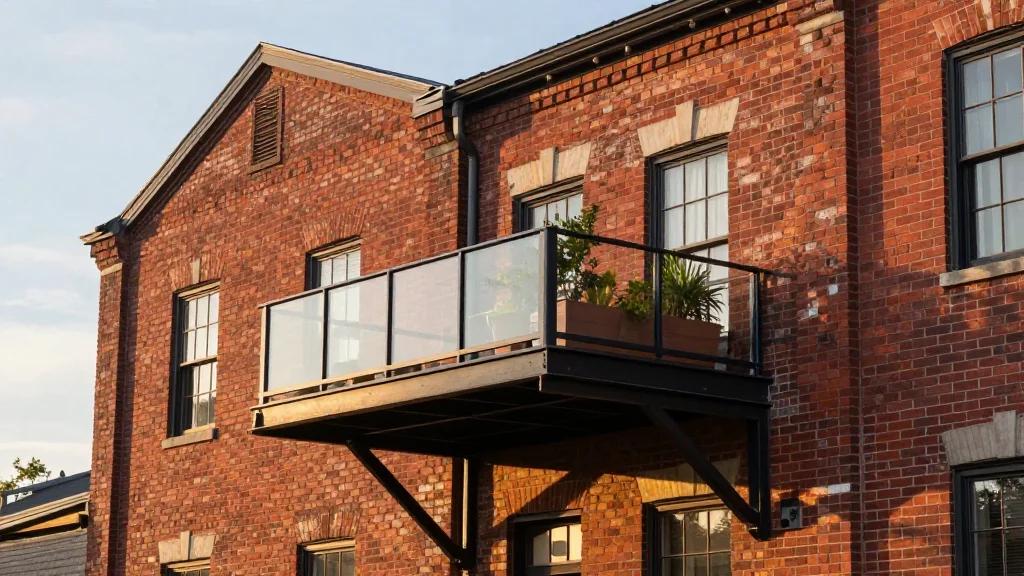
Massachusetts Mills Targeted for Housing Conversion to Tackle 250,000-Unit Shortage

Why It Matters
Converting historic mills into housing addresses two critical pressures in Massachusetts: a severe housing shortage and the preservation of industrial heritage. By repurposing existing structures, municipalities can add supply without consuming scarce land, while developers benefit from tax incentives and reduced community opposition. Successful conversions could become a template for other New England states facing similar shortages and limited developable land. Moreover, the projects illustrate how public policy—zoning reforms, historic‑rehab credits, and targeted financing—can unlock private capital for socially beneficial outcomes. If the mill conversions deliver affordable units at scale, they could ease rent inflation, improve workforce stability, and stimulate local economies through construction jobs and new commercial activity within mixed‑use developments.
Key Takeaways
- •Massachusetts aims to build ~250,000 homes in the next 10 years, prompting a focus on adaptive reuse of vacant mills.
- •WinnDevelopment and Acorn Inc. are leading conversion projects in Lowell, Holyoke, and New Bedford.
- •State historic‑rehabilitation tax credits and new zoning rules are ready to support developers.
- •Developers like Mark Glassman are buying mills for as little as $350,000 to convert into apartments.
- •Successful conversions could preserve historic architecture while adding thousands of housing units.
Pulse Analysis
The surge in mill conversions reflects a broader shift in real‑estate development toward asset‑light, high‑impact projects that marry preservation with affordability. Historically, New England’s industrial legacy left a patchwork of underutilized structures; today, those same buildings are becoming strategic inventory for cities that lack open land. The policy environment—particularly the alignment of state historic‑tax credits with local zoning reforms—creates a rare convergence of public and private incentives that lowers the risk premium for developers.
From a market perspective, the approach also mitigates the cost escalation seen in greenfield developments, where land acquisition and community pushback can add millions to a project’s budget. By reusing existing footprints, developers can allocate more capital to interior finishes and unit affordability, potentially delivering lower‑rent apartments that meet the state’s housing goals. However, the model is not without friction: environmental remediation, structural upgrades, and the need for creative design solutions can inflate soft costs, and financing remains contingent on the availability of tax credits that are subject to annual budget cycles.
Looking ahead, the success of these projects will hinge on the speed at which municipalities can process permits and the ability of lenders to underwrite unconventional collateral. If the first wave of conversions proves financially viable, we can expect a cascade of similar initiatives across the region, turning the industrial relics of the 19th and early 20th centuries into 21st‑century housing assets. This could reshape the supply side of the Massachusetts housing market, offering a scalable, heritage‑preserving answer to a chronic affordability crisis.
Massachusetts Mills Targeted for Housing Conversion to Tackle 250,000-Unit Shortage
Comments
Want to join the conversation?
Loading comments...