Methodical Growth
•February 20, 2026
0
Why It Matters
The disciplined expansion underscores the sector’s resilience while highlighting the need for investors to target durable, necessity‑based tenants in a constrained supply environment, shaping future capital allocation across the region.
Key Takeaways
- •Tight supply drives higher rents across Virginia markets
- •Grocery‑anchored mixed‑use projects dominate new development
- •D.C. retail vulnerable to federal employment fluctuations
- •Adaptive reuse becomes primary growth strategy regionally
- •Investors prioritize durability and essential‑tenant assets
Pulse Analysis
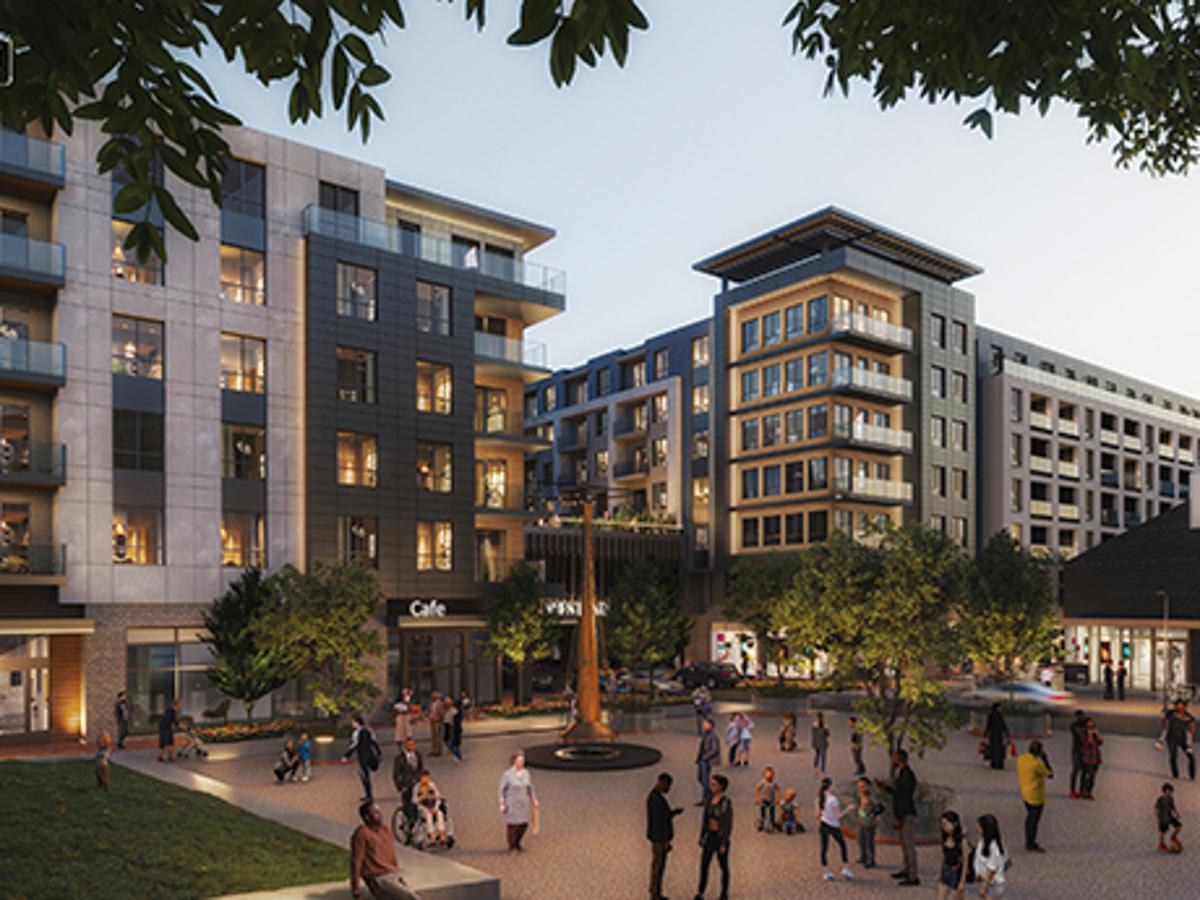
The Mid‑Atlantic’s retail real estate landscape illustrates a broader industry pivot toward mixed‑use, necessity‑driven assets. With zoning limits and soaring construction costs curbing new supply, developers are repurposing existing sites and emphasizing grocery‑anchored centers that guarantee foot traffic. Projects like Richmond’s Diamond District and Midtown 64 exemplify how integrating residential, office, and hospitality components creates resilient revenue streams, while higher rent escalations reflect landlords’ confidence in tenant demand for daily‑needs locations.
Washington, D.C. presents a contrasting case where retail performance is tightly linked to federal employment levels and office occupancy. The 2025 government shutdown exposed the fragility of downtown retail reliant on commuter traffic, accelerating a shift toward neighborhood‑focused, experiential offerings and mixed‑use revitalizations such as the Woodies Building entertainment hub. This realignment mirrors a national trend where retailers adapt to remote‑work patterns by locating in mixed‑use districts that serve both residents and the remaining office crowd.
Maryland’s strategy reinforces the region’s emphasis on transit‑oriented, mixed‑use developments that blend retail, housing, and office space to maximize land efficiency. High construction and financing costs have made adaptive reuse the most viable growth engine, encouraging investors to seek assets with built‑in consumer demand and durable cash flows. As consumers prioritize convenience, essential services, and experiential shopping, the Mid‑Atlantic market is likely to continue rewarding projects that combine accessibility, strong co‑tenancy, and community‑centric design.
Methodical Growth
0
Comments
Want to join the conversation?
Loading comments...