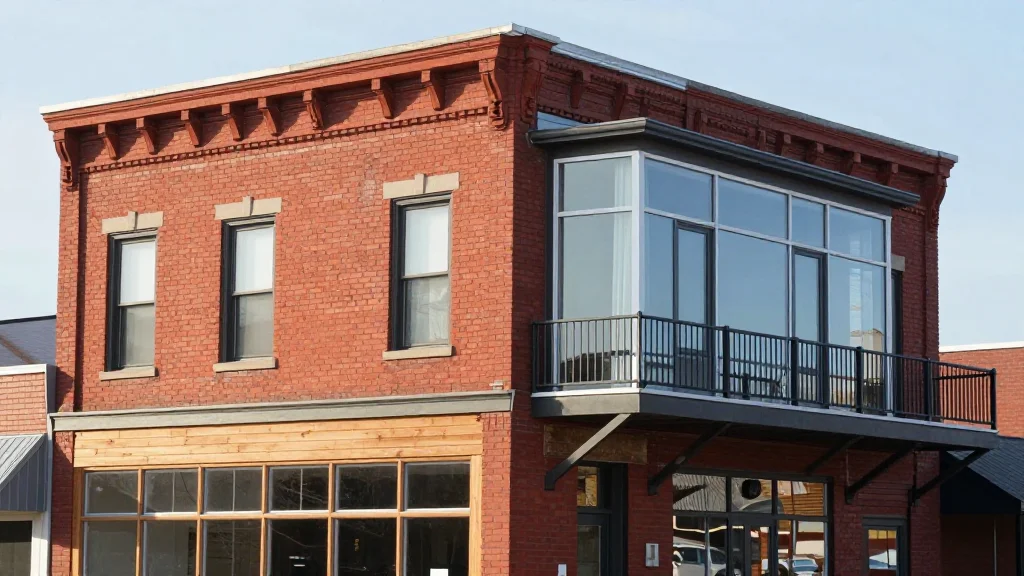
Michigan Allocates $7.6M to Revitalize Upper Peninsula Mixed‑Use Projects

Why It Matters
The funding marks a rare infusion of state resources into the Upper Peninsula, a region that has struggled to attract private capital for real‑estate development. By rehabilitating historic structures and adding mixed‑use space, the projects address two critical needs: affordable housing and vibrant commercial corridors. Successful outcomes could demonstrate that targeted public financing can unlock private investment, creating a replicable model for other under‑served communities across the Midwest. Beyond the immediate construction jobs and tax revenue, the developments aim to stem out‑migration by offering modern amenities in walkable downtowns. If the new apartments achieve high occupancy, they could help stabilize rental markets and provide a foothold for small businesses, thereby strengthening the tax base and improving municipal services in these small towns.
Key Takeaways
- •Governor Whitmer announces $7.6 million RAP funding for three mixed‑use projects
- •Hancock’s Weider Block receives a $1.2 million grant and $15,000 façade grant
- •Manistique project adds three apartments and 1,255 sq ft of commercial space
- •Marshall redevelopment creates eight new residential units and three commercial spaces
- •Projects are part of a broader state strategy to revitalize under‑invested communities
Pulse Analysis
Michigan’s decision to channel $7.6 million into mixed‑use projects reflects a growing consensus that place‑based investment can catalyze broader economic recovery. Historically, the Upper Peninsula has relied on extractive industries and tourism, leaving a thin housing pipeline and limited commercial diversity. By targeting historic buildings, the state not only preserves cultural assets but also reduces construction costs relative to new builds, improving the financial feasibility of these projects.
From a market perspective, the timing aligns with a national shortage of affordable rental units, especially in smaller metros where developers often deem projects too risky. The RAP program’s gap‑financing model mitigates that risk, allowing developers to leverage modest public funds to attract private equity and low‑interest loans. This hybrid financing structure could become a playbook for other states seeking to stimulate growth without over‑leveraging public budgets.
Looking forward, the success of these projects will hinge on execution speed and community buy‑in. If occupancy rates meet or exceed expectations, the state may expand RAP funding to additional towns, potentially creating a network of revitalized downtowns that collectively boost Michigan’s housing supply and commercial vibrancy. Conversely, delays or cost overruns could dampen investor confidence, underscoring the importance of strong project management and transparent reporting.
Overall, the initiative signals a strategic pivot toward sustainable, community‑centric development, positioning Michigan to capture the economic upside of a post‑pandemic real‑estate market that increasingly values livability and historic preservation.
Michigan Allocates $7.6M to Revitalize Upper Peninsula Mixed‑Use Projects
Comments
Want to join the conversation?
Loading comments...