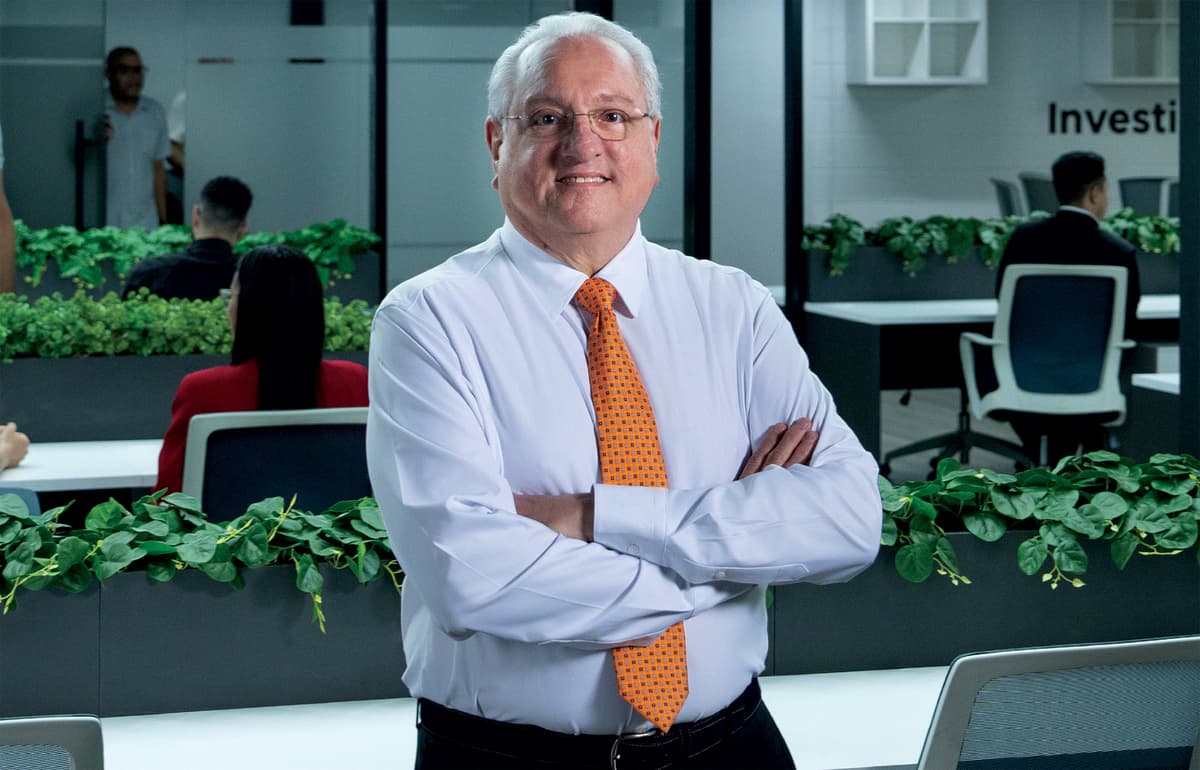
Miguel Lama, CEO of Corporación Zona Franca Santiago: Building a Leading Investment Hub in the Americas
Why It Matters
The expansion transforms a traditional free‑zone into a full‑service business hub, attracting nearshoring firms seeking stable, talent‑rich locations. It reinforces the Dominican Republic’s role in regional supply‑chain diversification and economic growth.
Key Takeaways
- •PIVEM hosts 80+ multinationals, creating 22k direct jobs.
- •Santiago Business City expands industrial park into mixed-use business district.
- •Support entities CAPEX, Zonaxol, CEGESTA, MĒDICA boost talent and sustainability.
- •Dominican Republic's legal stability drives nearshoring and friendshoring.
- •CEO Miguel Lama appointed to lead free‑zone committee in Meta RD 2036
Pulse Analysis
The Caribbean’s free‑zone model has long been a magnet for export‑oriented manufacturers, but the accelerating shift toward nearshoring and friendshoring is reshaping the value proposition. The Dominican Republic offers a combination of political stability, a competitive tax regime, and proximity to the U.S. market, making it an attractive alternative to traditional Asian hubs. Within this macro‑trend, Corporación Zona Franca Santiago’s decades‑old Víctor Espaillat Mera Industrial Park has become a benchmark for operational reliability, hosting over 80 multinational tenants and sustaining a sizable employment base.
Santiago Business City builds on that foundation by converting the industrial enclave into a mixed‑use district that blends manufacturing space with corporate offices, retail, and lifestyle amenities. The project is reinforced by a suite of specialized entities—CAPEX’s workforce training, Zonaxol’s clean‑energy solutions, CEGESTA’s talent acquisition, and MĒDICA’s health services—creating an ecosystem that reduces friction for companies expanding in the region. This integrated approach not only improves productivity but also addresses ESG expectations, positioning the site as a future‑ready hub for technology‑driven and knowledge‑intensive industries.
Leadership under Miguel Lama adds strategic weight to the initiative. As head of the Free Zones Sectoral Committee within the Meta RD 2036 national strategy, Lama aligns the park’s growth with broader economic reforms aimed at boosting competitiveness across the Dominican Republic. His dual role signals confidence to investors that the free‑zone model is now a central pillar of national development policy, not a peripheral enclave. The convergence of stable governance, a skilled labor pipeline, and a comprehensive support infrastructure suggests Santiago Business City could become a cornerstone of the Americas’ next industrial cycle, drawing capital that fuels regional supply‑chain resilience and long‑term economic diversification.
Miguel Lama, CEO of Corporación Zona Franca Santiago: Building a Leading Investment Hub in the Americas
Comments
Want to join the conversation?
Loading comments...