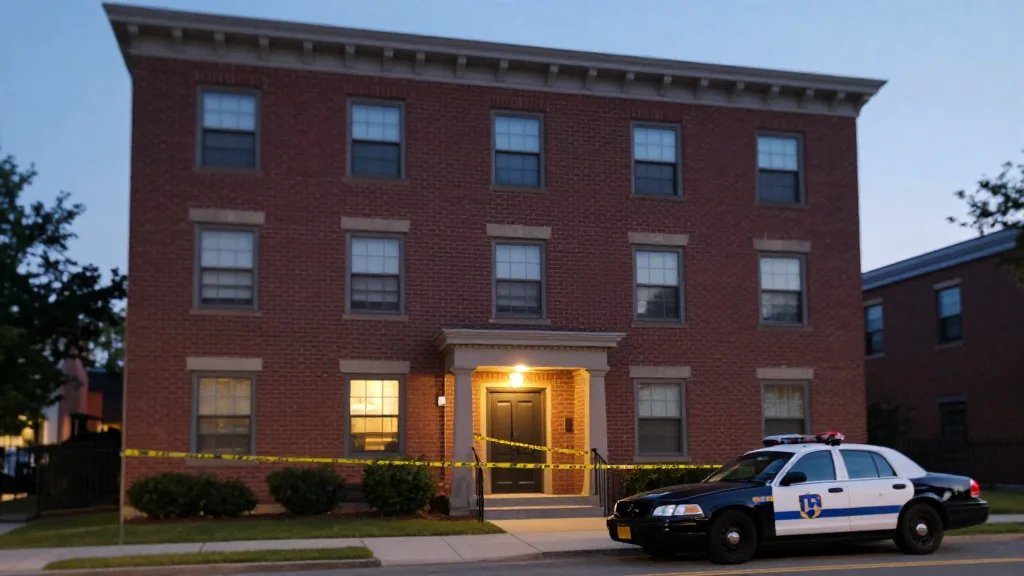
Milwaukee Landlord Sam Stair Arrested, Prompting Calls for Stricter Oversight

Why It Matters
The Stair indictment spotlights a hidden nexus between real‑estate ownership and illicit drug operations, raising urgent questions about how cities monitor large‑scale landlords. With over 150 properties implicated, the case illustrates how profit motives can override basic habitability standards, endangering entire neighborhoods. If policymakers act, new oversight tools could improve tenant safety, reduce drug‑related crime, and restore confidence in the rental market. Conversely, inaction may embolden other landlords to exploit loopholes, perpetuating cycles of neglect and criminal activity. Beyond Milwaukee, the case serves as a warning to municipalities nationwide that unchecked landlord practices can have public‑health and safety ramifications. It underscores the need for coordinated federal, state, and local responses that balance property rights with community welfare, potentially reshaping the regulatory landscape for multi‑unit housing across the United States.
Key Takeaways
- •Sam Stair, 52, owner of S2 Real Estate Group, arrested April 22 on multiple drug charges.
- •Stair manages over 150 properties (≈500 units) on Milwaukee’s south side.
- •Prosecutors allege Stair earned $1.5 million by leasing units to drug dealers.
- •Alderman Jose Perez and Supervisor Jack Eckblad call for stricter landlord oversight.
- •Tenant Danyell Austin describes intimidation and ignored maintenance complaints.
Pulse Analysis
Stair’s arrest arrives at a moment when the rental market is already under strain from rising vacancy rates and tightening credit. Historically, large‑scale landlords have operated with limited transparency, often shielded by complex corporate structures that make enforcement difficult. The federal indictment, however, pierces that veil, exposing how a single owner can leverage a sizable portfolio for illicit gain. This case could catalyze a shift toward greater data sharing between housing authorities and law‑enforcement agencies, a trend seen in cities like New York and Los Angeles where property‑ownership registries have been used to flag repeat offenders.
From a market perspective, heightened scrutiny may deter speculative investors who view multi‑unit housing purely as a cash‑flow engine. If Milwaukee adopts stricter licensing or mandatory background checks, the cost of compliance could narrow the pool of willing landlords, potentially tightening supply and nudging rents higher in the short term. Yet the long‑term benefit—safer, better‑maintained housing—could attract higher‑quality tenants and stabilize neighborhoods, ultimately supporting a healthier rental ecosystem.
Policy‑makers must balance these dynamics. Overly punitive measures risk driving landlords out of the market, while lax oversight perpetuates the very abuses highlighted by Stair’s case. A calibrated approach—combining targeted inspections, tenant‑reporting platforms, and clear penalties for repeat violations—offers a pragmatic path forward. The outcome of Milwaukee’s upcoming council hearings will likely set a precedent for other mid‑size cities grappling with similar landlord‑tenant tensions, making this case a bellwether for national housing policy.
Milwaukee Landlord Sam Stair Arrested, Prompting Calls for Stricter Oversight
Comments
Want to join the conversation?
Loading comments...