Mixed-Use Overhaul Pitched for Neighboring Gwinnett Office Parks
Why It Matters
The redevelopment adds much‑needed housing and retail to a fast‑growing suburban corridor while reutilizing surplus office inventory, signaling confidence in mixed‑use models that could reshape similar office parks across the Southeast.
Key Takeaways
- •18.65‑acre site rezoned from office to mixed‑use by 2028
- •320 luxury apartments and 30 townhomes planned for Norcross
- •126,000 sq ft of office space retained within the development
- •16,100 sq ft of street‑level retail and restaurants added
- •Atlanta now 8th largest U.S. market for office‑to‑residential conversions
Pulse Analysis
Metro Atlanta’s office‑to‑residential conversion boom has accelerated since the pandemic left large swaths of corporate space underutilized. Analysts cite an 18 percent year‑over‑year increase in conversion projects, positioning the region as the eighth‑largest market in the United States. Developers are targeting older office parks that sit on valuable land but lack the density and amenities demanded by today’s renters, turning them into mixed‑use districts that blend living, working, and leisure.
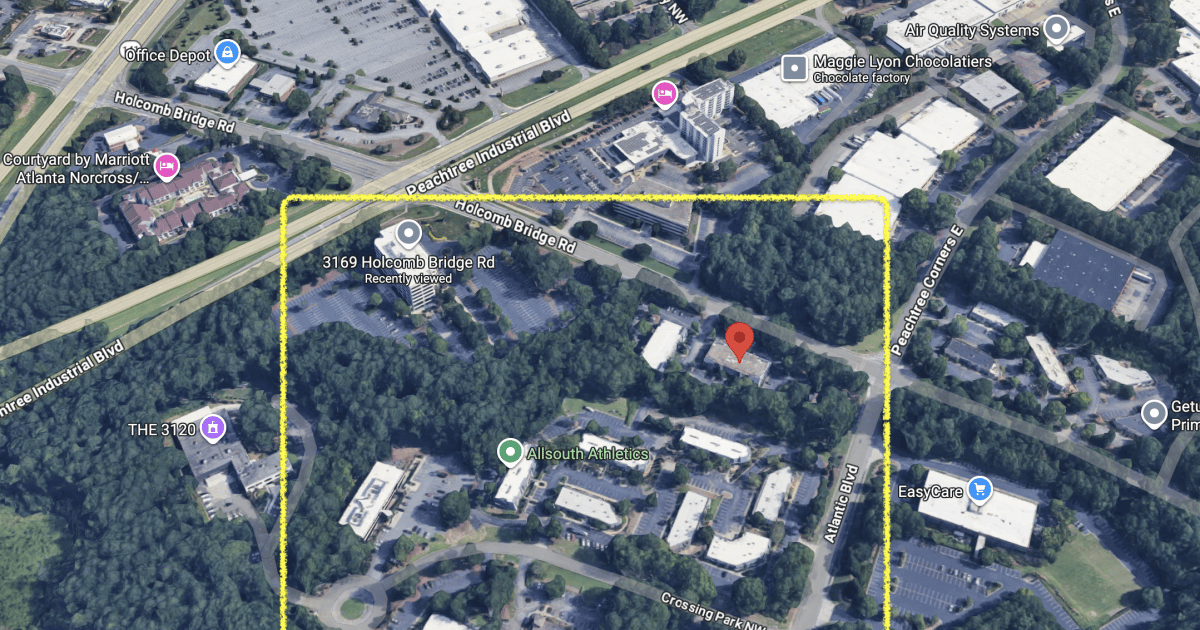
The Norcross proposal by Crooked Creek Development Partners exemplifies this trend. Spanning 18.65 acres at the Holcomb Bridge Road and Peachtree Industrial Boulevard intersection, the plan will deliver 320 high‑end multifamily units and 30 townhomes, wrapped around existing structures that will house 16,100 sq ft of street‑level dining and retail. Retaining 126,000 sq ft of office space ensures a continued corporate presence, while the phased timeline—first phase in 2027, full build‑out by 2028—provides a clear path for investors and local authorities. The development’s emphasis on mature tree canopies and pedestrian‑friendly design aims to create a livable environment that attracts both residents and businesses.
If successful, the Norcross project could serve as a template for suburban office parks throughout the Southeast, where land costs are lower but demand for housing remains high. The mixed‑use model mitigates the financial risk of pure residential conversion by preserving office revenue streams and diversifying tenant mix. However, challenges such as zoning changes, infrastructure upgrades, and market absorption rates must be managed carefully. As more developers pursue similar overhauls, the region may see a gradual shift from sprawling office campuses to compact, walkable communities that support a resilient, post‑pandemic economy.
Mixed-use overhaul pitched for neighboring Gwinnett office parks
Comments
Want to join the conversation?
Loading comments...