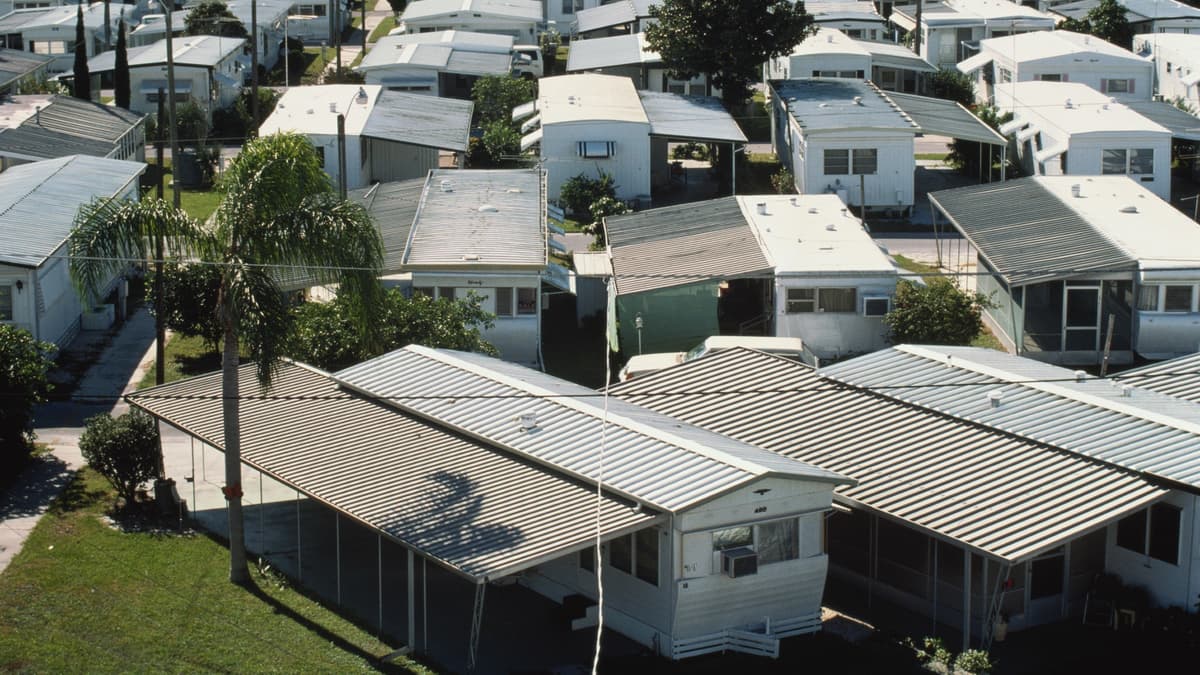
Mobile Home Residents See Rents Soar Under New Corporate Owners
Why It Matters
The surge in corporate ownership threatens the affordability of one of America’s largest low‑cost housing options, potentially displacing millions of vulnerable residents and prompting federal oversight.
Key Takeaways
- •Rents in Tennessee park jumped from $275 to $650, over 130% increase.
- •Private‑equity acquisitions of mobile home parks hit $9.4 B in 2021.
- •Institutional owners now control ~23% of park purchases, up from 13%.
- •Senate probes by Hassan and Warren target rent hikes and investor practices.
- •Eviction filings rise ~40% after park ownership changes, per Princeton study.
Pulse Analysis
Manufactured‑housing communities have long been marketed as a bridge between renting and homeownership, offering low entry costs and the ability to own a structure while leasing the land. That model is under pressure as private‑equity funds and large institutional investors treat parks as income‑generating assets, applying market‑rate lot rents that far exceed the historic $200‑$300 range. The result is a wave of rent spikes—often more than doubling existing payments—leaving residents who already face high moving costs and limited financing options with few alternatives.
The financial magnitude of this trend is striking. According to a GAO report, investors poured roughly $9.4 billion into mobile‑home park acquisitions in 2021, and by 2021 institutional buyers represented about 23% of all transactions, up from just 13% a few years earlier. This influx of capital has accelerated rent growth, with national lot‑rent increases averaging 45% over the past decade. Policymakers are responding: Senator Maggie Hassan launched a probe into New England investors, while Senator Elizabeth Warren sent letters to the nation’s biggest corporate landlords demanding transparency on rent‑increase practices and profit margins.
The broader implications extend beyond individual tenants. Studies from Princeton’s Eviction Lab show a 40% surge in eviction filings after a park changes hands, highlighting how ownership turnover can destabilize communities. As the sector draws more attention, regulators may consider tighter rent‑control measures, disclosure requirements, or incentives for owners to maintain affordable rates. For investors, balancing profit motives with social responsibility will be crucial to avoid reputational risk and potential legislative constraints, while affordable‑housing advocates push for stronger tenant protections and federal oversight to preserve the essential role of manufactured housing in the U.S. market.
Mobile Home Residents See Rents Soar Under New Corporate Owners
Comments
Want to join the conversation?
Loading comments...