More Disciplined Growth for Real Estate and Construction
Why It Matters
The reforms and infrastructure surge create a more predictable, investment‑friendly market, shifting capital from short‑term speculation to long‑term, value‑adding projects across residential, industrial and sustainable segments.
Key Takeaways
- •Residential prices in Hanoi, HCMC to rise 5‑8% in 2026
- •Public infrastructure spending up 8%, boosting construction output ~10%
- •Green‑certified buildings exceed 780; $1.5B green financing issued 2025
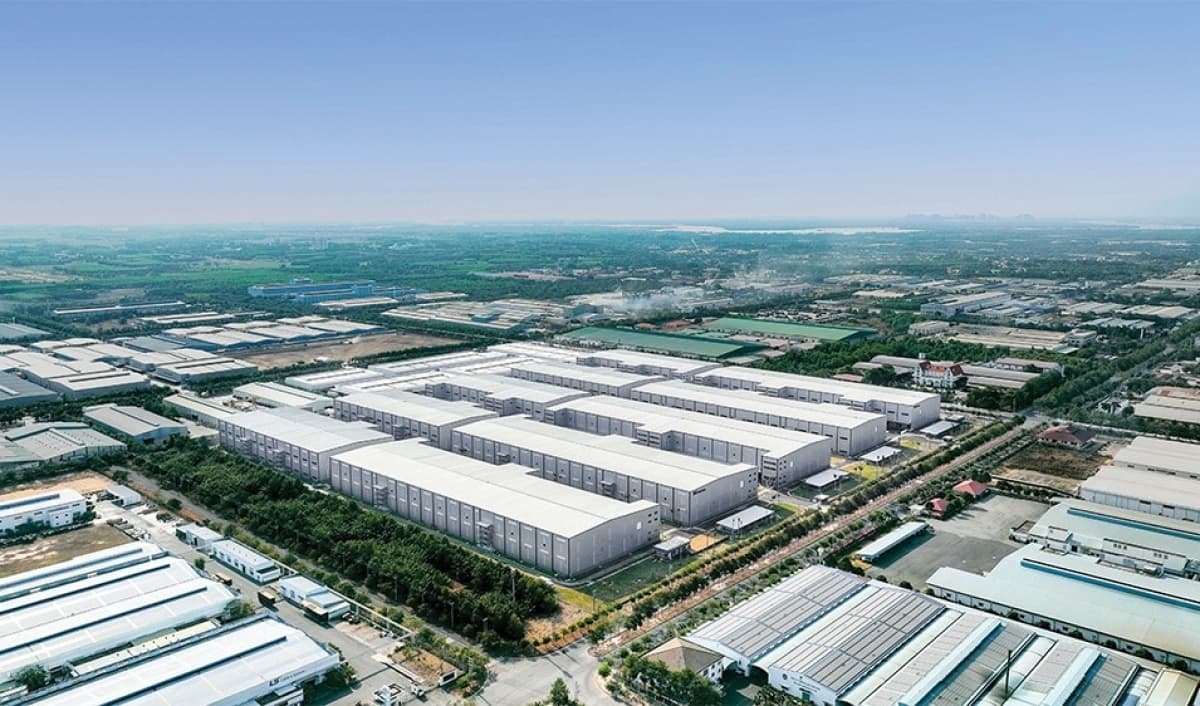
- •Industrial occupancy above 90%; sector remains top foreign‑investment draw
- •New legal reforms cut permitting time from 45 to 23 days
Pulse Analysis
Vietnam’s property market is shedding the speculative excesses of previous cycles and embracing a more measured growth trajectory. With the government earmarking an 8% increase in public infrastructure spending for 2026, projects such as the North‑South Expressway and new metro lines are unlocking peripheral land and creating high‑value development corridors. This infrastructure push not only lifts construction output by an estimated 10% but also re‑aligns residential demand toward well‑located, legally sound projects, especially near transit hubs. Investors are therefore recalibrating toward assets that promise durable returns rather than quick flips.
Sustainability is rapidly moving from a niche requirement to a competitive differentiator. Vietnam now hosts over 780 green‑certified buildings, and in 2025 developers accessed more than $1.5 billion in green bonds and sustainability‑linked loans, lowering capital costs for eco‑friendly projects. The upcoming national green building standards slated for 2026 will further institutionalise these practices, making ESG compliance a prerequisite for premium pricing. Parallelly, industrial real estate continues to dominate foreign direct investment, with occupancy rates exceeding 90% in key provinces and manufacturing accounting for over 80% of overseas capital flows. The sector’s resilience is reinforced by new logistics corridors, deeper ports and reliable power supply, positioning Vietnam as a preferred China+1 manufacturing hub.
Digital transformation is reshaping every layer of the market, from land administration to sales channels. The National Land Information System has already halved processing times, and forthcoming digital permitting platforms promise even faster approvals. Proptech adoption is high, with roughly 80% of homebuyers beginning their search online, while developers deploy BIM, AI‑driven scheduling and drone surveys to cut costs and mitigate risk. Yet challenges remain: affordability pressures, tighter credit caps and the need for consistent enforcement of new regulations could temper momentum. If policymakers balance stability with sufficient financing, Vietnam’s real estate and construction sectors are poised for a sustainable, high‑growth decade.
More disciplined growth for real estate and construction
Comments
Want to join the conversation?
Loading comments...