More than 200 Affordable Homes Move Forward in 4 Developments
Companies Mentioned
Why It Matters
The infusion of public financing accelerates Atlanta’s affordable‑housing pipeline, directly addressing a critical supply gap for low‑ and moderate‑income residents and advancing the city’s 2030 housing equity goals.
Key Takeaways
- •Invest Atlanta allocated $3.84M grant and $13.5M loan for affordable housing
- •Bowen Homes Phase II receives $13.5M tax‑exempt loan for 112 units
- •Village at Franklin Park Phase I gets $2M grant for 70 multifamily units
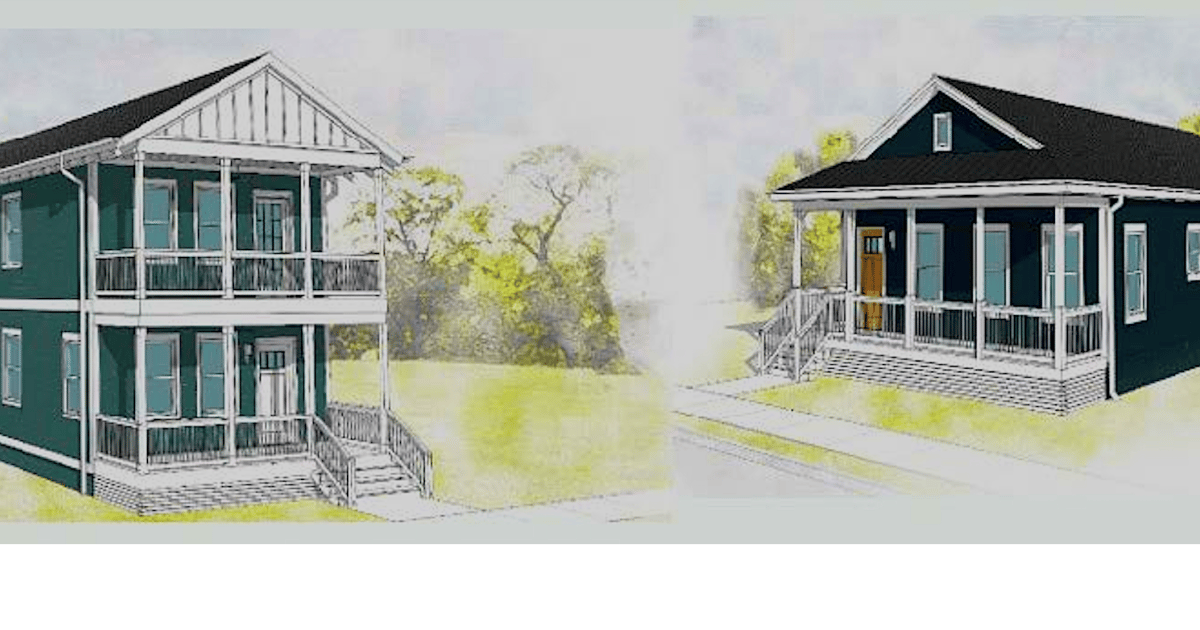
- •Magnolia Perimeter Phase I awarded $840K grant for 12 single‑family homes
- •Greenbriar Pointe secured $1M grant for 65 multifamily units
Pulse Analysis
Atlanta’s affordable‑housing shortage has intensified as the city’s population climbs and wages lag behind rising rents. Mayor Andre Dickens has pledged to create or preserve 20,000 affordable units by 2030, a goal that hinges on leveraging public‑sector tools like Tax Allocation Districts. TADs channel future tax revenues into upfront capital, allowing municipalities to de‑risk projects that serve households earning 30‑80 % of the Area Median Income. By combining a $3.84 million grant with a $13.5 million tax‑exempt loan, Invest Atlanta is injecting the liquidity needed to break ground on projects that might otherwise stall.
The four developments span diverse neighborhoods, each addressing a unique market segment. Magnolia Perimeter Phase I will add 12 capped single‑family homes in Vine City, targeting buyers at up to 80 % AMI. Village at Franklin Park Phase I introduces 70 multifamily units—53 reserved for households at 60 % AMI—adjacent to Atlanta’s largest greenspace. Bowen Homes Phase II, the largest of the lot, brings 112 multifamily units to the historically underinvested Brookview Heights corridor, while Greenbriar Pointe contributes 65 units across the 30‑80 % AMI range. Collectively, the projects deliver 209 units that blend rental and ownership options, expanding choice for a broad income spectrum.
Beyond the immediate unit count, these financing structures signal a scalable model for other cities confronting affordability crises. Tax‑exempt loans and targeted grants reduce reliance on private equity, lower construction risk, and keep rents affordable over the long term. If successful, the initiatives could catalyze further private‑sector participation, spur ancillary economic activity, and demonstrate how coordinated public‑private financing can meet ambitious housing equity targets. Monitoring construction timelines, occupancy rates, and resident outcomes will be crucial to gauge the true impact of Atlanta’s aggressive affordable‑housing strategy.
More than 200 affordable homes move forward in 4 developments
Comments
Want to join the conversation?
Loading comments...