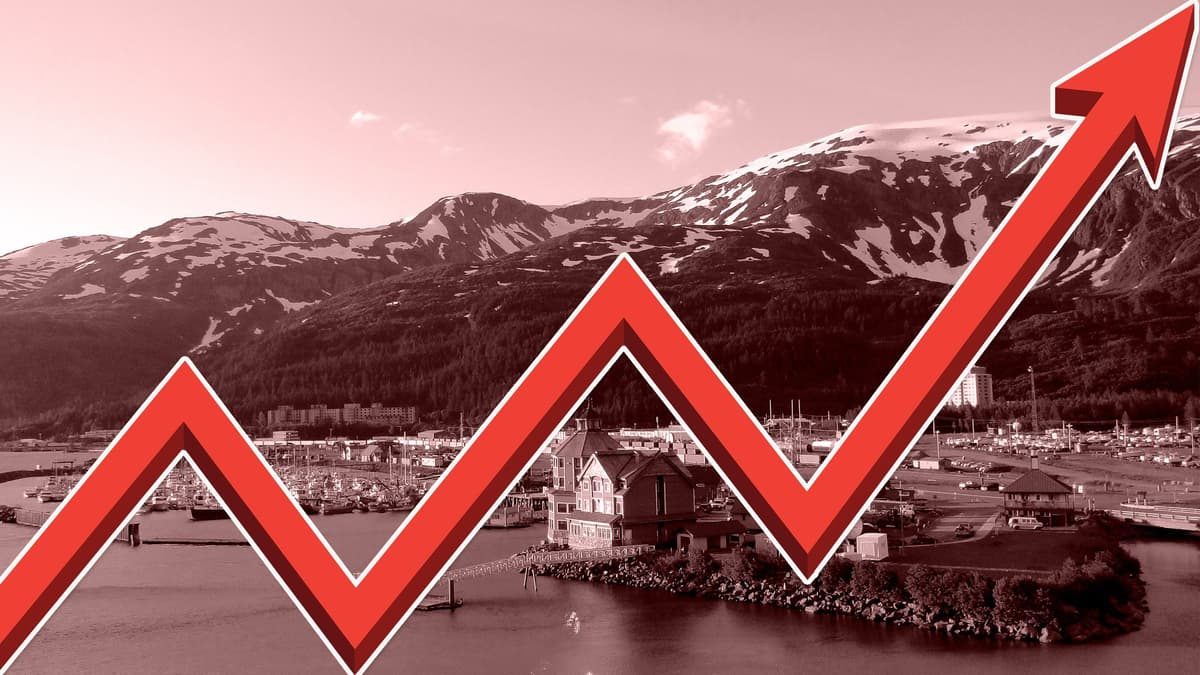
Mortgage Debt Is Rising the Fastest in These Surprising States
Companies Mentioned
Why It Matters
The surge in mortgage obligations in traditionally lower‑cost states signals broader affordability stress, potentially limiting consumer spending and increasing default risk as rates stay elevated.
Key Takeaways
- •Alaska leads with 2.25% mortgage debt rise, avg balance $248k.
- •Delaware follows at 2.21% increase, avg balance $210k.
- •Maine ranks third, 1.98% growth despite modest home prices.
- •Kentucky and Alabama see debt spikes but maintain low overall burden.
- •U.S. mortgage debt totals $13.2 trillion, far outpacing credit‑card debt.
Pulse Analysis
The United States now carries more than $13 trillion in mortgage debt, dwarfing the $1.4 trillion in credit‑card balances. This reflects a decade‑long cycle of rising home prices and interest rates that have pushed the average household mortgage balance to roughly $109,000. As the Federal Reserve keeps rates near 6.2%, borrowers face higher monthly payments, squeezing discretionary income and raising the specter of financial distress even among those with solid credit histories.
While coastal powerhouses such as California dominate total loan balances, the fastest percentage growth appears in unexpected regions. Alaska topped the list with a 2.25% jump, driven by a tight housing supply and price appreciation that outpaces the national average. Delaware and Maine followed closely, each posting over a 2% increase despite relatively modest median home prices. In the South, Kentucky and Alabama recorded notable debt spikes, yet their overall mortgage burden remains low, highlighting a nuanced geographic shift in housing affordability pressures.
For lenders and policymakers, these trends underscore the need for tighter underwriting and targeted assistance programs. Homeowners in high‑growth states may benefit from rate‑buy‑down options or refinancing incentives to mitigate payment shocks. Meanwhile, monitoring debt‑to‑income ratios will be critical as the economy navigates potential recessionary headwinds. Understanding where mortgage debt is expanding fastest helps stakeholders anticipate default risks and craft strategies that preserve both market stability and consumer financial health.
Mortgage Debt Is Rising the Fastest in These Surprising States
Comments
Want to join the conversation?
Loading comments...