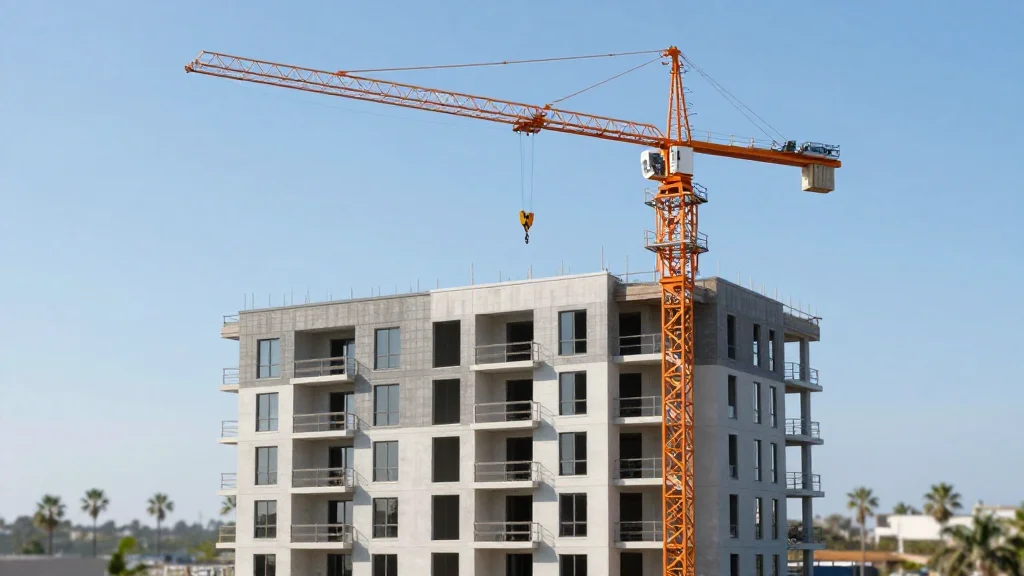
Multifamily Starts Jump 13.5% as Vacancy Stabilizes and Rent Growth Stalls

Why It Matters
The 13.5% rise in multifamily starts signals renewed builder confidence, but the simultaneous stall in rent growth warns that supply may outstrip demand in key markets. Stabilizing vacancy rates suggest that the market is reaching an equilibrium, yet the reliance on rent concessions could compress net operating incomes for owners. For investors, the contrast between strong deal volume and weak rent dynamics creates a nuanced risk‑return profile, prompting a reassessment of valuation models. Sun Belt owners like Camden stand to benefit if the supply slowdown materializes, potentially unlocking higher rents and better occupancy. Conversely, markets still seeing aggressive new construction may face prolonged rent pressure, influencing capital allocation decisions across REITs, private equity funds, and institutional investors. Overall, the interplay between construction activity, vacancy trends, and rent performance will shape financing conditions, investment strategies, and the broader health of the U.S. housing ecosystem throughout 2026.
Key Takeaways
- •Multifamily construction starts rose 13.5% in March 2026, outpacing permits.
- •Vacancy rates have stabilized for the first time in over four quarters, hovering around 5‑6%.
- •Rent growth remains weak, with year‑over‑year increases below 2% in most metros.
- •Q1 2026 multifamily and retail deal volume hit $3.7 billion.
- •Camden Property Trust expects a supply slowdown to boost second‑half performance.
Pulse Analysis
The current multifamily landscape reflects a classic supply‑demand tug‑of‑war. Builders are clearly betting on localized demand pockets, as evidenced by the 13.5% jump in starts, but the national permitting lag suggests that regulatory bottlenecks could soon temper that enthusiasm. The stabilization of vacancy rates indicates that the market is absorbing new units at a measured pace, but the lack of rent acceleration reveals that many of those units are entering markets already saturated with inventory.
Investors must navigate a paradox: robust capital inflows and high deal volumes coexist with pricing pressure on the rental side. This dynamic is likely to push owners toward operational efficiencies—technology adoption, expense management, and targeted concessions—to protect margins. For Sun Belt REITs, the anticipated supply slowdown could create a window to reset rent growth trajectories, but only if macro‑economic conditions, such as employment growth and consumer confidence, remain supportive.
Looking ahead, the sector’s trajectory will hinge on three variables: the speed at which the construction pipeline eases, the ability of landlords to differentiate properties through amenities and services, and the broader credit environment that influences financing costs. Should any of these shift—particularly a resurgence in permitting or a tightening of credit—the delicate balance could tip, reshaping investment theses for the remainder of 2026 and beyond.
Multifamily Starts Jump 13.5% as Vacancy Stabilizes and Rent Growth Stalls
Comments
Want to join the conversation?
Loading comments...