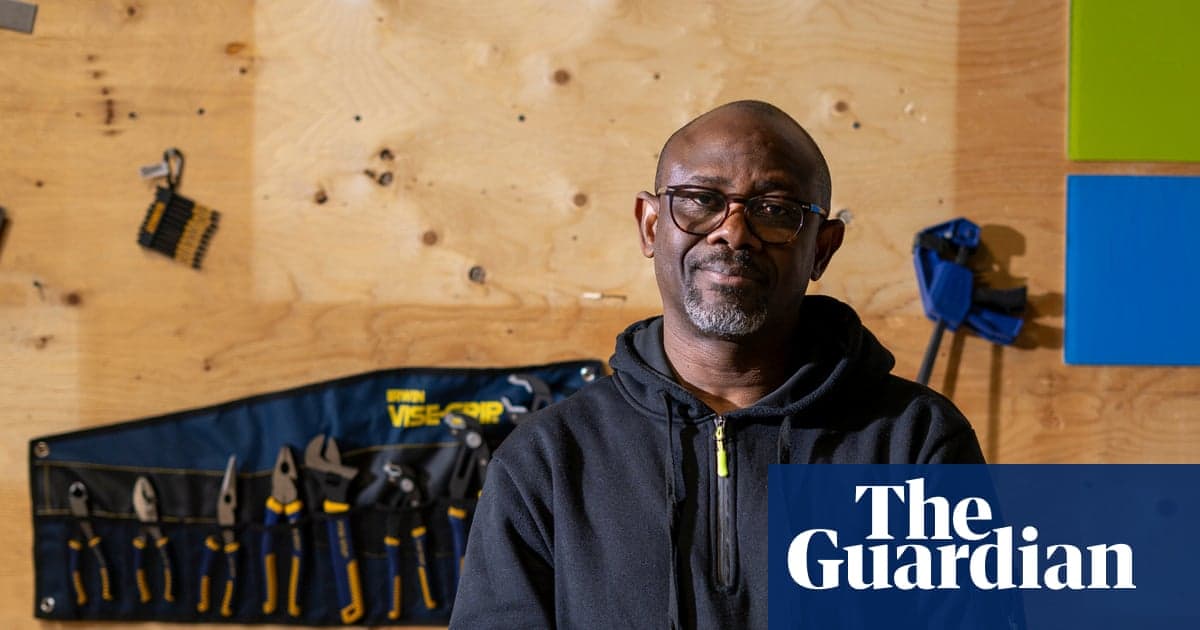
‘My Own Contribution’: The Ottawa Immigrants Learning to Retrofit Homes and Fight the Climate Crisis
Why It Matters
Retrofitting homes is one of the fastest ways to slash Canada’s building‑sector emissions while simultaneously alleviating a chronic skilled‑labour shortage, making Build’s model a scalable solution for climate and economic policy goals.
Key Takeaways
- •Build trains newcomers in insulation, air sealing, and retrofitting skills.
- •Canada needs ~600,000 home retrofits annually to meet net‑zero 2050.
- •Skilled‑trade vacancies rise 11% yearly; 61,400 workers retiring by 2032.
- •YMCA Power of Trades program boasts 84% post‑completion employment.
- •Build aims to retrofit hundreds of Ottawa homes while fostering inclusive workplaces.
Pulse Analysis
The building sector accounts for roughly one‑fifth of Canada’s greenhouse‑gas emissions, and with 80% of the housing stock already built, retrofitting has become the most pragmatic route to decarbonisation. Recent analyses from the Canadian Climate Institute and the Pembina Institute stress that about 600,000 homes must be upgraded each year to stay on track for the 2050 net‑zero goal. Energy‑efficient measures—tightening envelopes, adding insulation, and modernising HVAC systems—not only curb emissions but also lower utility bills and improve indoor air quality, delivering tangible health benefits for occupants.
At the same time, Canada faces a severe skilled‑trade shortfall. Vacancies in residential construction have risen an average of 11% per year since 2017, and Statistics Canada projects more than 61,000 tradespeople will retire by 2032, creating a gap of over 60,000 workers. Immigration is a key lever, yet newcomers often lack Canadian work experience, a barrier that programmes like the YMCA’s Power of Trades aim to dissolve. Build leverages this pipeline, offering hands‑on training in a supportive, inclusive environment that counters the industry’s historic bias toward male, white workers. The 84% employment rate of Power of Trades graduates demonstrates the efficacy of such targeted upskilling.
If replicated nationwide, Build’s model could accelerate Canada’s retrofit agenda while simultaneously addressing labour scarcity. By pairing climate action with social equity, the initiative aligns with federal priorities on green jobs and inclusive growth. Policymakers may look to scale similar public‑private‑nonprofit collaborations, providing funding for training hubs, tax incentives for retrofits, and toolkits to foster respectful workplace cultures. As more homes are upgraded, the cumulative emissions reductions and economic uplift for immigrant communities could become a cornerstone of Canada’s transition to a low‑carbon economy.
‘My own contribution’: the Ottawa immigrants learning to retrofit homes and fight the climate crisis
Comments
Want to join the conversation?
Loading comments...