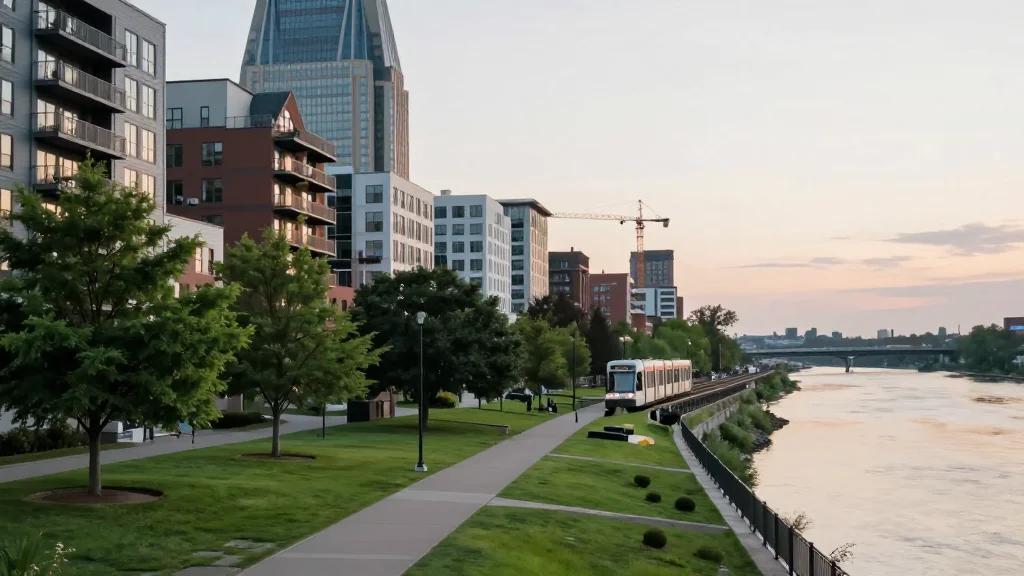
Nashville Mayor Signs East Bend Rezoning, Paving Way for Higher‑Density Housing

Companies Mentioned
Why It Matters
The rezoning directly tackles Nashville’s housing shortage by converting a 70‑year‑old industrial site into a high‑density, mixed‑use neighborhood, potentially adding thousands of new homes. By linking downtown to East Nashville with parks and transit, the project also advances the city’s goals for sustainable, walkable development, which could improve quality of life and reduce reliance on cars. If the East Bend development delivers on its promises, it could reshape how Nashville approaches land use, encouraging other municipalities to repurpose obsolete industrial zones for housing. The initiative also signals to developers that the city is willing to support higher‑density projects, which may attract further private investment and accelerate the city’s overall growth trajectory.
Key Takeaways
- •Mayor Freddie O’Connell signed the East Bend rezoning bill on April 24, 2026.
- •The legislation converts a 70‑year‑old riverfront scrapyard into a higher‑density residential district.
- •New parks, greenways and transit links are mandated as part of the plan.
- •Councilmember Jacob Kupin called the rezoning a "generational opportunity" for the city.
- •Construction is slated to start in late 2026 after final design approvals.
Pulse Analysis
Nashville’s decision to rezone the East Bend area reflects a broader shift among fast‑growing U.S. cities that are running out of land for new housing. By targeting a legacy industrial site, the city sidesteps the political friction that often accompanies upzoning in established neighborhoods, while still delivering the density needed to ease price pressures. Historically, similar riverfront conversions—such as Seattle’s South Lake Union—have spurred rapid economic activity, but they also require careful coordination of infrastructure upgrades to avoid overburdening schools, utilities and transit.
The East Bend rezoning could serve as a bellwether for future policy. If the mixed‑use development successfully integrates affordable units and public amenities, it may embolden Nashville’s council to pursue additional upzoning measures in other underutilized parcels. Conversely, any missteps—delays, cost overruns, or community pushback—could reinforce skepticism about high‑density solutions. Investors will be watching closely, as the project’s success could unlock a pipeline of private capital aimed at similar redevelopment opportunities across the Southeast.
From a market perspective, the added housing supply is likely to temper the steep price appreciation Nashville has experienced, albeit modestly in the short term. More importantly, the emphasis on transit and green space aligns with emerging buyer preferences for lifestyle‑centric urban living, positioning Nashville to attract talent and retain residents who might otherwise relocate to more established metros. The East Bend rezoning thus represents both a pragmatic response to an immediate housing crunch and a strategic move to shape the city’s long‑term urban identity.
Nashville Mayor Signs East Bend Rezoning, Paving Way for Higher‑Density Housing
Comments
Want to join the conversation?
Loading comments...