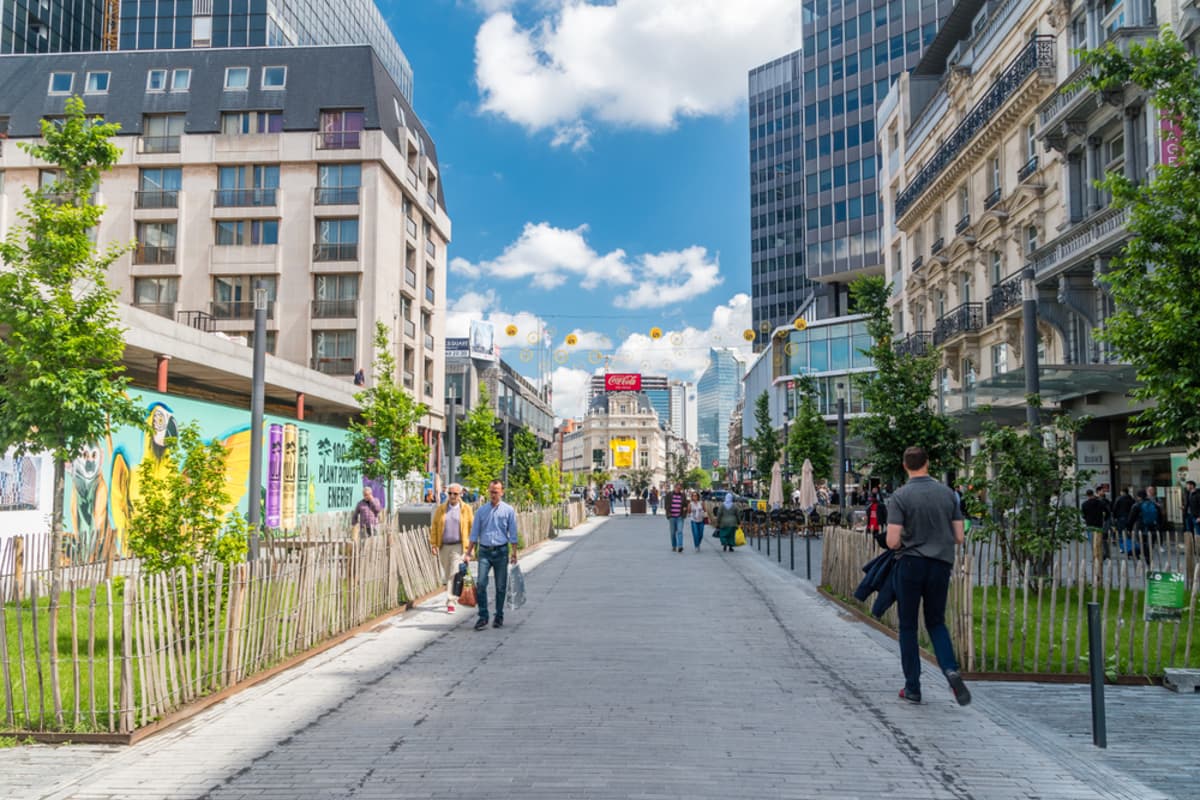
New Plan Aims to Revitalize Brussels’ Shopping Districts
Why It Matters
High vacancy threatens economic vitality and tax revenue, while a homogenized retail mix could diminish Brussels’ appeal as a vibrant European shopping destination. The plan’s success could set a blueprint for other cities grappling with similar urban retail challenges.
Key Takeaways
- •Vacancy rate in Brussels retail reaches 18% citywide.
- •Store density 33.6 per 1,000 residents outpaces regional average.
- •Fast‑food outlets expanding, threatening commercial diversity.
- •Six priority districts identified within Brussels’ inner ring.
- •Plan focuses on cleanliness, safety, and retailer mix.
Pulse Analysis
Brussels’ commercial landscape is at a crossroads. With more than 7,000 retail establishments packed into the historic pentagon, the city boasts a store density that dwarfs the surrounding region. Yet an 18% vacancy rate—spiking to 21% in some neighborhoods—signals a looming crisis. Contributing factors include lingering concerns over street cleanliness, perceived safety gaps, and an unchecked proliferation of fast‑food outlets that crowd out traditional boutiques and services. These dynamics threaten not only consumer choice but also the city’s broader economic health.
In response, the municipal government has crafted a targeted action plan centered on six priority districts inside the inner ring road. The strategy blends regulatory incentives with public‑private partnerships to attract a more diverse retailer base, from specialty shops to cultural venues. Simultaneously, the city will allocate resources to upgrade street lighting, increase cleaning crews, and enhance policing presence, aiming to restore confidence among shoppers and investors alike. By tightening zoning rules on fast‑food concentration, officials hope to rebalance the commercial mix and preserve the unique character of Brussels’ neighborhoods.
If successful, Brussels could become a case study for European capitals confronting similar retail decay. Revitalized districts are expected to boost foot traffic, lift sales per square foot, and generate higher municipal revenues through increased business rates. Moreover, a vibrant, safe shopping environment can reinforce tourism, a critical pillar of Belgium’s economy. The plan’s outcomes will likely inform policy debates on urban regeneration, zoning flexibility, and the role of local governments in shaping resilient, diversified city centers.
New plan aims to revitalize Brussels’ shopping districts
Comments
Want to join the conversation?
Loading comments...