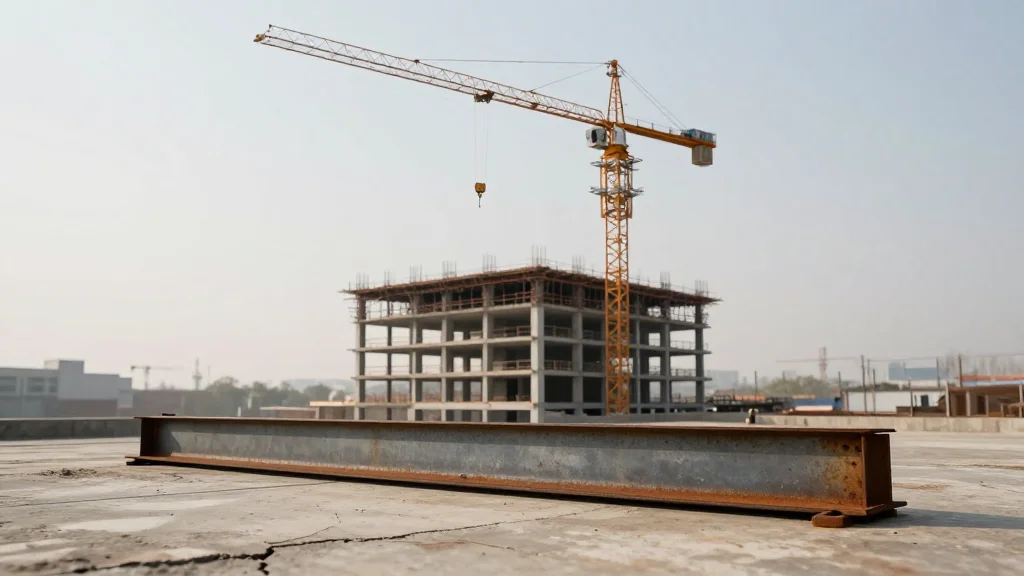
Ngara Affordable Housing Stalls for 8 Years
Why It Matters
The stalled project exposes weak oversight in public‑private housing schemes, jeopardizing low‑income savers and eroding confidence in Kenya’s affordable‑housing agenda.
Key Takeaways
- •Investors paid $2.6 M, still awaiting homes
- •Project deadline missed by four years, no units delivered
- •Developer blames Covid, supply chain, steel price spikes
- •County promises partial completion 2026, full by 2027
- •MCAs demand formal investigation into alleged fraud
Pulse Analysis
Kenya’s rapid urbanisation has placed affordable housing at the top of policy agendas, prompting counties to partner with private developers under public‑private models. The Ngara project, a joint effort between Nairobi County and Jabavu Village Limited, was envisioned as a flagship scheme delivering 1,800 units on the former Bachelors Jeevanjee Estate. By allocating county land and allowing the developer to finance construction, the model aimed to accelerate delivery while sharing risk. However, the lack of clear performance metrics and independent monitoring has left the initiative vulnerable to delays and financial mismanagement.
The financial exposure for homebuyers is stark. Collectively, investors contributed Sh387.5 million—about $2.6 million—covering roughly 67 % of the projected cost. With unit prices ranging from Sh2.5 million ($16,700) to Sh3.5 million ($23,300), many buyers secured loans, turning their savings into debt without receiving the promised assets. The prolonged construction lull has triggered defaults, property auctions, and a wave of distrust that could dampen future participation in similar schemes. The developer’s defense—citing Covid‑19 disruptions, global steel price hikes linked to the Russia‑Ukraine war, and election‑year uncertainty—mirrors challenges faced across Africa’s construction sector, yet it does not absolve the partnership from delivering on contractual timelines.
The Ngara impasse underscores the urgent need for stronger governance frameworks in Kenya’s affordable‑housing sector. Robust oversight mechanisms, transparent escrow accounts for buyer funds, and enforceable penalties for missed milestones could safeguard investors and restore confidence. Moreover, aligning county procurement processes with national affordable‑housing board standards may prevent similar stalemates. As Nairobi’s MCAs push for a probe, the outcome could set a precedent for how public‑private housing collaborations are structured, monitored, and held accountable across the region.
Ngara affordable housing stalls for 8 years
Comments
Want to join the conversation?
Loading comments...