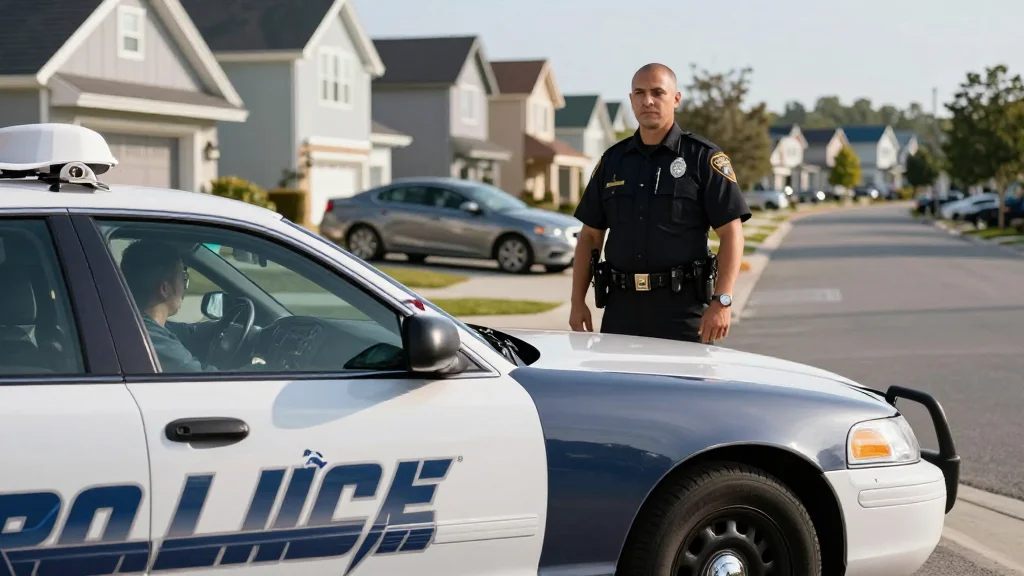
N.M. Cops From Across Counties Flock to This City for a Place to Call Home
Why It Matters
The exodus strains community‑policing models and deprives Santa Fe of local tax revenue, while Rio Rancho gains economic benefits from a concentration of public‑safety workers. Addressing housing affordability is crucial for retaining talent and fostering stronger police‑community ties.
Key Takeaways
- •Santa Fe home prices $250‑$300/sq ft vs Rio Rancho $120/sq ft.
- •Only 39 of 159 Santa Fe officers live within city limits.
- •Rio Rancho ranks 5th safest NM city, attracting law‑enforcement residents.
- •Santa Fe explores housing stipends to retain officers amid affordability crisis.
Pulse Analysis
Housing affordability is emerging as a decisive factor in law‑enforcement recruitment across New Mexico. While Santa Fe’s median price of $250‑$300 per square foot places many officers beyond reach, Rio Rancho offers comparable homes at roughly $120 per square foot, enabling families like Officer Patrick Pinson’s to secure larger, more suitable living spaces. This price differential not only influences individual commuting choices but also reshapes the geographic distribution of police resources, potentially weakening the traditional model of officers living within the communities they serve.
The fiscal ripple effects are notable for both municipalities. Rio Rancho benefits from increased consumer spending, higher property tax receipts, and a perception of safety reinforced by a visible police presence. Conversely, Santa Fe forfeits local sales and gross receipts taxes while missing out on community engagement opportunities that arise when officers are neighborhood residents. In response, city officials are exploring targeted housing stipends and revisiting past down‑payment assistance programs to make local residency more viable for first responders.
Santa Fe’s challenge mirrors a national trend where public‑safety agencies grapple with talent retention amid soaring housing markets. Studies suggest that officers who live outside their jurisdiction may experience weaker community ties, potentially affecting crime‑prevention efficacy. Policymakers must balance financial incentives with broader urban‑planning strategies, such as expanding affordable housing stock, to ensure that law‑enforcement personnel can both afford to live near their workplaces and maintain the community connections essential for proactive policing.
N.M. cops from across counties flock to this city for a place to call home
Comments
Want to join the conversation?
Loading comments...