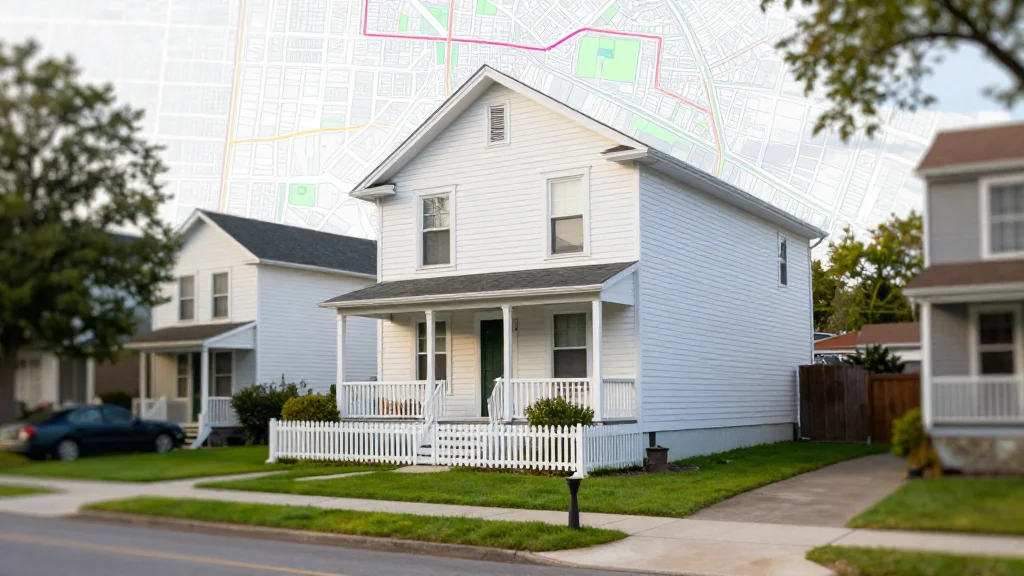
Northampton Council Moves to Cut Duplex Review, Boosting Two‑Family Homes

Why It Matters
The zoning shift in Northampton illustrates how local governments are experimenting with regulatory shortcuts to meet urgent housing demand. By removing the site‑plan review trigger for duplexes, the city could accelerate supply of affordable two‑family units, a model that other mid‑size municipalities may emulate as state housing mandates tighten. At the same time, the debate underscores the need to balance speed with community oversight, a challenge that will shape future real‑estate development policies across the region. If the amendment proves successful, it could set a precedent for treating duplexes as a middle ground between single‑family homes and larger multifamily projects, offering a scalable solution to the chronic shortage of entry‑level housing while preserving neighborhood character. Conversely, any negative externalities—such as increased traffic or reduced parking—could fuel backlash and prompt a re‑evaluation of deregulation tactics, influencing how other cities approach zoning reform.
Key Takeaways
- •Northampton City Council Committee voted to recommend removing the 2,000‑sq‑ft cap for duplexes.
- •The change would let two‑family homes be built by right without a Planning Board site‑plan review.
- •Supporters say it will cut permitting time and fees, potentially adding dozens of affordable units annually.
- •Critics warn the loss of review could limit neighbor input on parking, traffic, and design impacts.
- •Council will vote on the full ordinance later this month; if approved, it takes effect at the start of the next fiscal year.
Pulse Analysis
Northampton’s proposed amendment is part of a growing wave of “duplex‑by‑right” policies that aim to squeeze more housing into existing neighborhoods without the overhead of large‑scale multifamily projects. Historically, municipalities have relied on site‑plan reviews to manage density, but those processes can add months and thousands of dollars to a project’s cost—expenses that are ultimately passed to homebuyers. By treating duplexes like single‑family homes, Northampton is betting that the modest increase in density will not overwhelm local infrastructure while delivering a measurable boost to affordable housing stock.
The policy also reflects a strategic response to state‑mandated housing targets. Massachusetts has set aggressive goals for new units, and many cities are scrambling for tools that can deliver quickly. Northampton’s median single‑family home size of 1,800 sq ft versus an average two‑family size of 2,500 sq ft suggests that many duplexes already exceed the review threshold, making the current system an inadvertent barrier. Streamlining approval could therefore unlock latent capacity without the need for new zoning districts or major infrastructure upgrades.
However, the trade‑off is real. Site‑plan reviews serve as a forum for abutters to raise legitimate concerns about traffic flow, school enrollment, and neighborhood aesthetics. Removing that safety net could erode trust in local government if residents feel blindsided by larger structures. The council’s compromise—adding a notification requirement—attempts to preserve transparency while still accelerating approvals. The success of this hybrid approach will likely be watched closely by other mid‑size cities weighing the same cost‑benefit calculus between speed and community voice.
Northampton Council Moves to Cut Duplex Review, Boosting Two‑Family Homes
Comments
Want to join the conversation?
Loading comments...