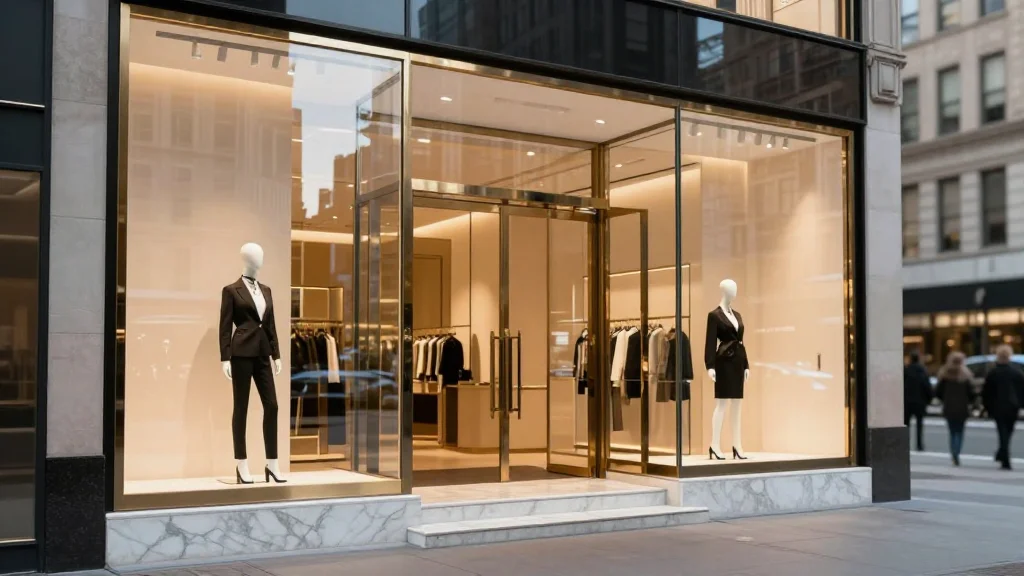
NYC Prime Retail Vacancy Hits Record Low of 13.7% in Q1 2026

Companies Mentioned
Why It Matters
A vacancy rate of 13.7% in Manhattan’s prime retail market is the lowest on record, indicating that landlords have unprecedented pricing power. For investors, this translates into higher potential yields and stronger asset valuations, while tenants face limited options and higher lease costs. The trend also signals confidence in New York’s consumer base, even as broader economic indicators show caution. The shift toward non‑core submarkets could reshape the city’s retail geography, prompting developers to invest in areas like the Seaport and Hudson Square. This redistribution may diversify foot traffic and create new retail hubs, altering the traditional dominance of Fifth Avenue and Times Square.
Key Takeaways
- •Prime retail vacancy held at a record‑low 13.7% at the end of Q1 2026, unchanged from Q4 2025.
- •Average asking rent rose to $585 per square foot, up $11 quarterly and 1.4% year‑over‑year.
- •Lower Fifth Avenue saw the steepest rent increase at 31.7% YoY.
- •Only three submarkets—SoHo, Meatpacking, Herald Square/34th St—recorded a drop in availability.
- •Largest Q1 lease: Balloon Museum secured 54,000 sq ft in the Seaport submarket.
Pulse Analysis
The sustained record‑low vacancy underscores a structural imbalance between supply and demand in Manhattan’s luxury retail segment. Historically, vacancy rates in prime New York retail have hovered around 20% during downturns; a 13.7% rate suggests that even modest economic headwinds are insufficient to dislodge demand from high‑visibility locations. This environment benefits owners who can command premium rents and negotiate longer lease terms, but it also raises the barrier to entry for emerging brands seeking a foothold in the market.
From an investment perspective, the data reinforces the attractiveness of core retail assets as inflation‑hedging vehicles. Capital is likely to continue flowing into these properties, driving up cap rates and potentially prompting consolidation among smaller landlords. However, the pressure on tenants may accelerate the trend toward experiential retail and pop‑up concepts, as brands look to maximize limited square footage while delivering differentiated consumer experiences.
Looking forward, the market’s trajectory will hinge on two variables: the pace of new supply from office‑to‑retail conversions and any regulatory changes affecting rent structures. If developers successfully repurpose vacant office towers, the influx of new inventory could temper rent growth and modestly raise vacancy. Conversely, if policy interventions tighten rent controls, landlords may see a slowdown in rent escalations, reshaping the risk‑return profile for investors. Stakeholders should monitor upcoming JLL quarterly releases and city planning announcements to gauge the balance of these forces.
NYC Prime Retail Vacancy Hits Record Low of 13.7% in Q1 2026
Comments
Want to join the conversation?
Loading comments...