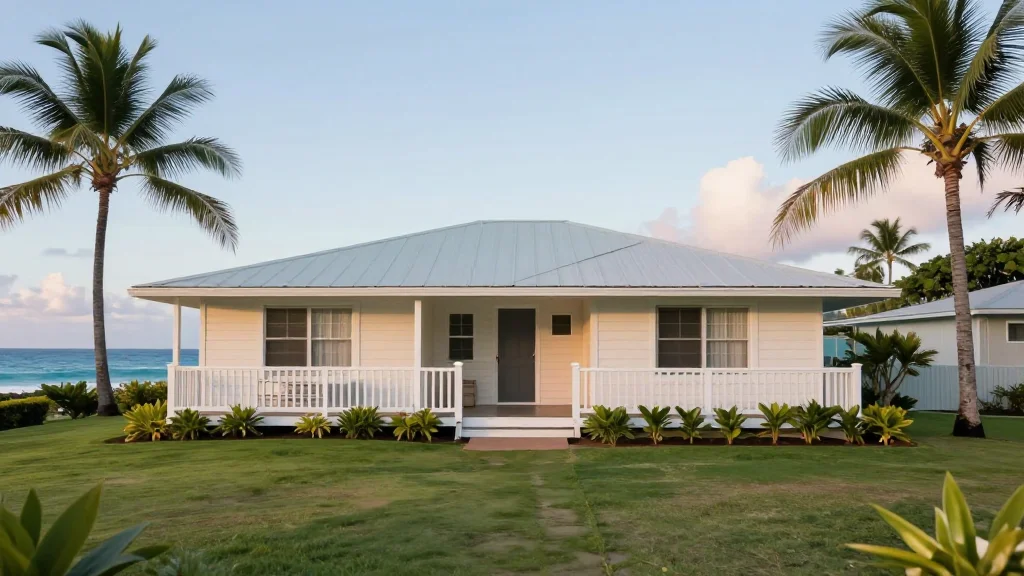
Oahu Single‑Family Home Sales Jump 8.5% YoY in May, Hitting 255 Transactions

Companies Mentioned
Why It Matters
The Oahu rebound offers a micro‑cosm of how high‑cost, island markets can sustain buyer interest despite broader economic headwinds. A rise in single‑family sales signals that inventory constraints and limited new construction continue to drive competition, potentially inflating prices further. For investors, the data underscore the importance of monitoring mortgage rate trajectories and geopolitical risk, both of which can quickly alter demand dynamics in niche markets. For policymakers, the mixed performance—strong single‑family activity versus lagging condo sales—highlights the need for targeted housing strategies that expand affordable multi‑family options without eroding the island’s unique real‑estate appeal. The sustained demand for homes under $500,000 suggests a latent market segment that could benefit from incentives for modest‑scale development.
Key Takeaways
- •Single‑family home sales rose 8.5% YoY to 255 transactions in May.
- •Median single‑family price held at $1.16 million, a 0.8% YoY dip.
- •Homes sold in just 13 days on average, the shortest period in four years.
- •Condo sales fell 9.4% YoY to 339 closings, with median price up 4% to $520,000.
- •30‑year fixed mortgage rates averaged 6.5% in May, up from 6.3% in April.
Pulse Analysis
Oahu’s May data illustrate a classic supply‑demand imbalance amplified by geographic constraints. The island’s limited land for new single‑family construction forces most transactions into existing inventory, which, when combined with a modest influx of buyers—both local and offshore—creates a bidding environment that can sustain price growth even as median values plateau. The 38% over‑asking‑price rate, the highest since 2023, confirms that buyers are willing to pay premiums for scarcity, a pattern mirrored in other high‑cost coastal markets such as San Francisco and Honolulu’s own neighboring islands.
The divergence between single‑family and condo performance is equally telling. Condos, often positioned as entry‑level or downsizing options, are more sensitive to macro‑economic shocks like rising mortgage rates and geopolitical uncertainty. Their 9.4% sales decline suggests that higher‑priced, higher‑interest‑rate environments push price‑sensitive buyers toward detached homes where land value adds a perceived buffer against market volatility. This shift could pressure developers to reconsider the mix of unit types they bring to market, potentially tilting future supply toward more single‑family projects, albeit constrained by zoning and environmental regulations.
Looking forward, the market’s trajectory will hinge on three variables: interest‑rate policy, inventory replenishment, and external demand from offshore investors. If the Federal Reserve signals a pause or cut in rates, we may see a surge in buyer power that pushes median prices back up, eroding the modest 0.8% dip observed. Conversely, any escalation in geopolitical risk—particularly in the Pacific theater—could dampen offshore buying, curbing the current momentum. Stakeholders should monitor these levers closely, as they will dictate whether Oahu’s housing market remains a resilient outlier or succumbs to the broader national slowdown.
Oahu Single‑Family Home Sales Jump 8.5% YoY in May, Hitting 255 Transactions
Comments
Want to join the conversation?
Loading comments...