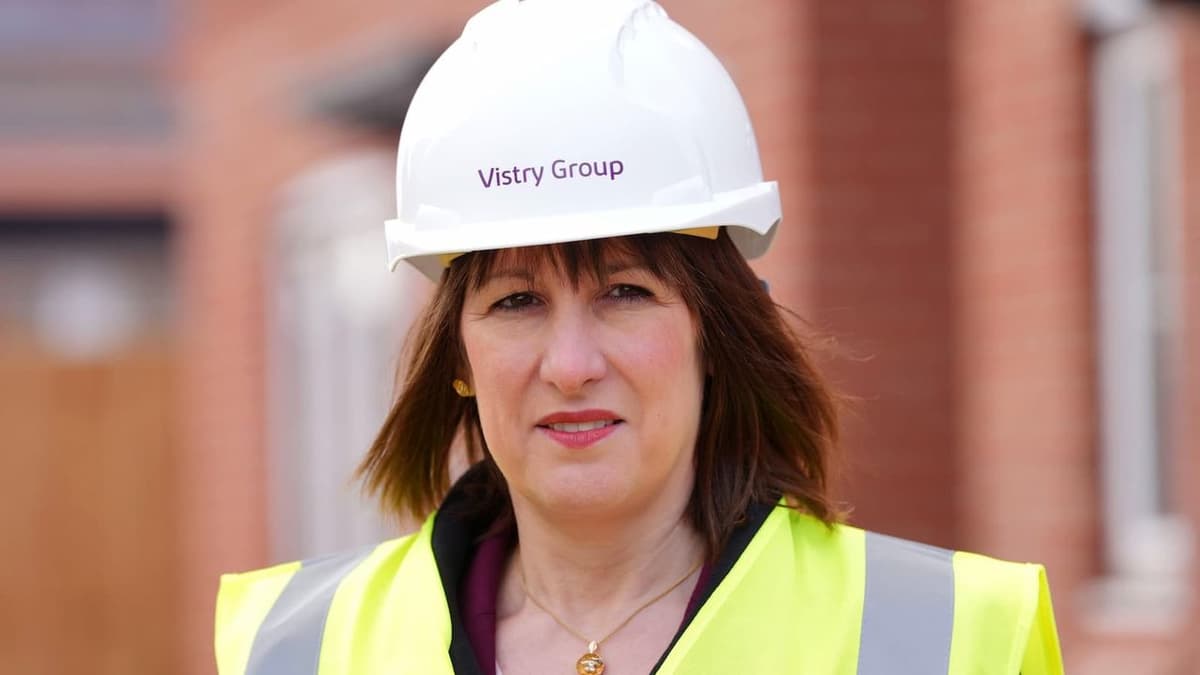
OBR Delivers Hammer Blow to Government’s Housing Targets as Rachel Reeves’ Spring Statement Offers No Solutions
•March 4, 2026
0
Why It Matters
The shortfall threatens construction jobs, slows economic growth, and signals that current policy tools are insufficient to meet urgent housing demand.
Key Takeaways
- •OBR predicts 220k homes built in 2026‑27.
- •2026‑27 supply falls 40k below early‑2020s average.
- •Government target of 300k homes appears unattainable short term.
- •No new housing funding announced in Spring Statement.
- •Planning reforms unlikely to boost supply before decade’s end.
Pulse Analysis
The OBR’s latest housing outlook underscores a structural lag in UK supply, with net additions projected to dip below 220,000 units in 2026‑27. This contraction follows a period where annual completions averaged 260,000, reflecting weaker starts and delayed planning approvals. By contrast, the forecasted rebound to just over 305,000 homes by 2030‑31 remains modest, suggesting that the ambitious 300,000‑home annual goal is unlikely to be met without significant policy shifts. Analysts see the OBR’s numbers as a bellwether for broader economic health, as housing construction is a key driver of employment and consumer confidence.
Despite the OBR’s cautionary signal, the Spring Statement delivered by Chancellor Rachel Reeves focused on macro‑economic stability—lower inflation, reduced borrowing, and rising investment—while omitting any fresh housing initiatives. The absence of new funding, incentives, or regulatory tweaks leaves the construction sector reliant on existing planning reforms, which industry leaders argue are slow to translate into on‑the‑ground progress. Without targeted support for local authorities and small‑to‑medium builders, the sector risks a prolonged skills and capacity gap, potentially inflating costs and delaying project pipelines.
For investors and developers, the OBR’s projections and the government’s muted response raise questions about the timing of future projects. Mortgage rates are expected to average 4.5 % on existing loans, and house‑price inflation is pegged at 2.5 %, aligning with earnings growth but offering limited upside. Stakeholders may need to reassess financing strategies and consider alternative models, such as modular construction or public‑private partnerships, to bridge the supply deficit. In the longer term, decisive policy action—whether through increased funding, streamlined consent processes, or incentives for affordable units—will be essential to realign the market with the nation’s housing needs.
OBR delivers hammer blow to Government’s housing targets as Rachel Reeves’ Spring Statement offers no solutions
0
Comments
Want to join the conversation?
Loading comments...