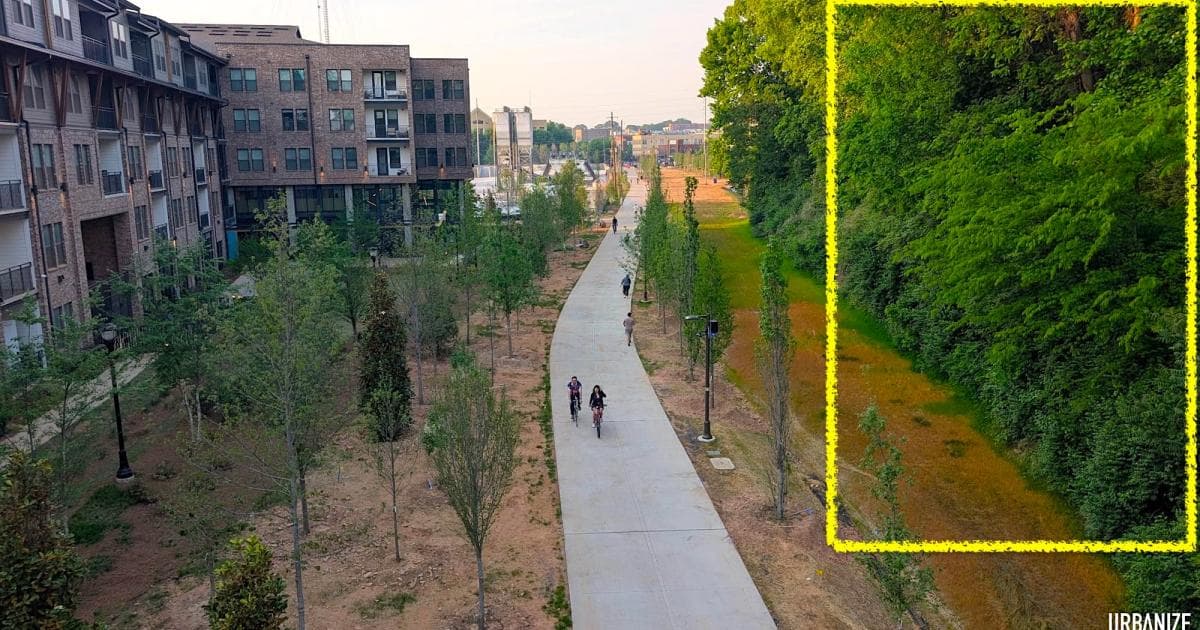
On Newest Atlanta Beltline Section, Big Development Ideas Sought
Why It Matters
The site represents one of the last Beltline‑fronting parcels in a high‑growth corridor, offering developers a rare chance to shape Atlanta’s mixed‑use landscape and capture the economic upside of the city’s most ambitious urban revitalization project.
Key Takeaways
- •BHU offers up to 4.3 acres on Beltline’s Southeast Trail.
- •Development deadline is May 30, with flexible mixed‑use concepts.
- •University requires continued campus presence and condo replacement for demolished buildings.
- •Site includes 400 ft of Beltline frontage, prime retail opportunity.
- •Rezoning needed from industrial/residential to mixed‑use for apartments and shops.
Pulse Analysis
The Atlanta Beltline’s 22‑mile loop has become a magnet for investment, and the recent opening of the Southeast Trail extends that momentum into the historic Ormewood Park neighborhood. The trail not only provides a pedestrian and cyclist corridor but also creates a visible streetscape that attracts retailers, restaurants, and residential developers seeking to tap into the city’s growing preference for walkable, amenity‑rich environments. As the Beltline continues to mature, parcels with direct frontage are increasingly scarce, making each opportunity a strategic asset for long‑term value creation.
Beulah Heights University’s decision to market its campus reflects a broader trend of institutions leveraging real‑estate assets to fund mission‑critical initiatives. By inviting mixed‑use proposals, the university signals openness to a hybrid model where academic functions coexist with market‑driven components such as ground‑floor retail and multifamily housing. The requirement to retain an institutional footprint and replace any demolished structures with condominiums ensures that the campus remains a community anchor while unlocking higher‑density development potential. This flexibility is likely to attract developers who can blend affordable housing, boutique retail, and student‑oriented amenities into a cohesive project.
For investors, the Ormewood Park site offers a compelling risk‑adjusted return profile. The 400‑foot Beltline frontage provides unparalleled exposure, and the surrounding submarket has seen steady appreciation as younger professionals gravitate toward transit‑oriented neighborhoods. However, the need for rezoning from industrial or residential to mixed‑use adds a regulatory hurdle that will require coordination with city planners. Successful projects could set a precedent for future Beltline‑adjacent developments, reinforcing the corridor’s role as a catalyst for Atlanta’s next wave of urban growth.
On newest Atlanta Beltline section, big development ideas sought
Comments
Want to join the conversation?
Loading comments...