Why It Matters
As climate change intensifies coastal flooding, resilient home design becomes essential for protecting property and lives, setting a benchmark for future construction in vulnerable regions.
Key Takeaways
- •Tom Kundig applies Pacific Northwest resilience to Mississippi flood zone
- •Design integrates live‑oak canopy as natural flood buffer
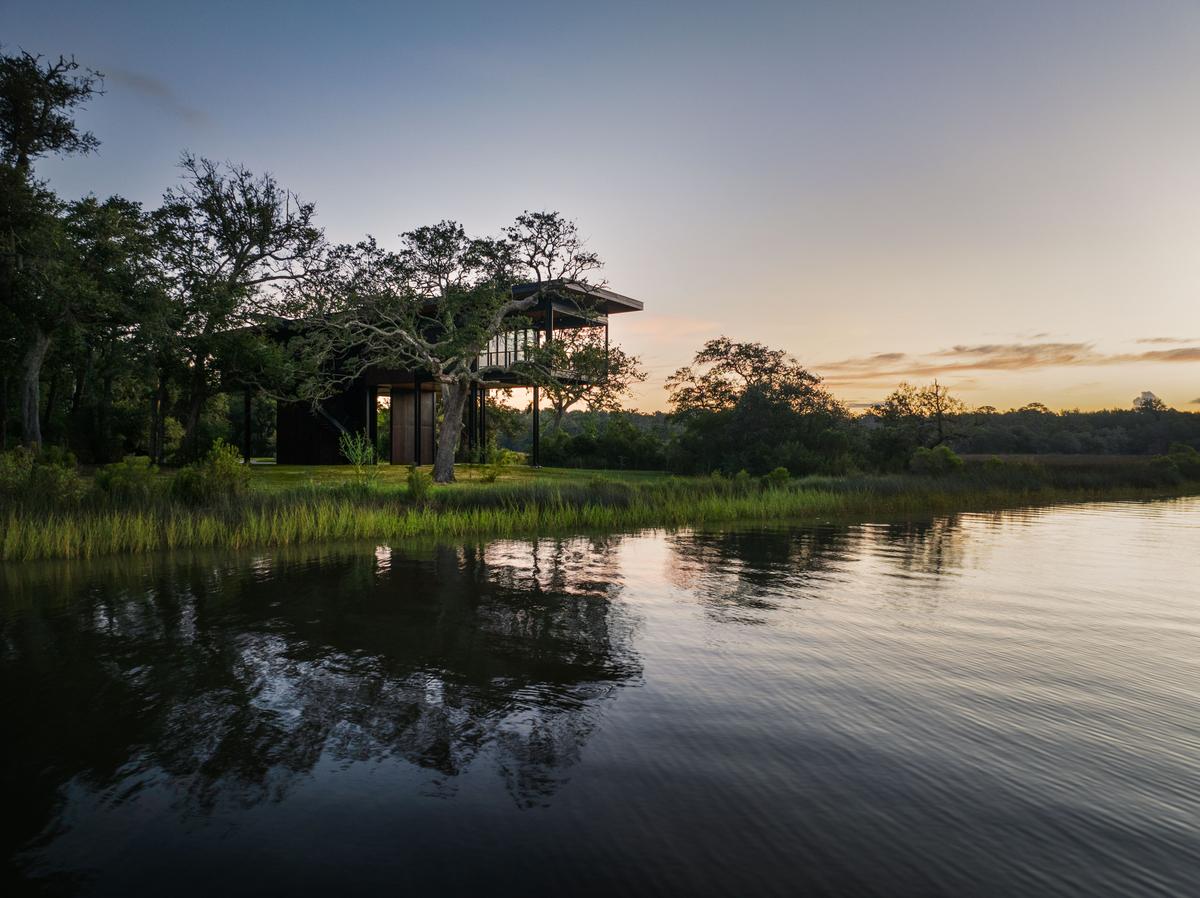
- •House features elevated platform and steel columns for durability
- •Project showcases future‑proof homes amid rising sea levels
- •Collaboration highlights architecture’s role in climate adaptation
Pulse Analysis
The growing frequency of coastal storms and sea‑level rise is forcing architects to rethink traditional building methods. Tom Kundig’s latest project in Ocean Springs, Mississippi, exemplifies a shift toward elevated, steel‑framed homes that can withstand prolonged inundation. By raising the primary living spaces above historic flood marks and anchoring the structure to robust steel columns, the design reduces damage risk while preserving interior comfort. This approach mirrors a broader industry trend where resilience is baked into the blueprint rather than added as an afterthought.
Beyond structural upgrades, Kundig leverages the site’s natural assets—specifically a stand of ancient live‑oak trees draped in Spanish moss—to create a living flood barrier. The canopy slows water flow, absorbs excess moisture, and provides shade, illustrating how ecological integration can enhance durability. Such biophilic strategies are gaining traction as developers seek sustainable solutions that blend built and natural environments, delivering both protection and aesthetic value.
The house’s inclusion in WIRED’s "Future of Home" series signals a cultural pivot: resilient design is no longer niche but mainstream. As insurance premiums climb and regulatory codes tighten in flood‑prone zones, developers and homeowners will increasingly prioritize climate‑adaptive features. Kundig’s project serves as a prototype, demonstrating that high‑design architecture can meet the practical demands of a changing climate while maintaining the aspirational qualities of modern living. This convergence of durability, sustainability, and style is poised to reshape residential construction across vulnerable coastal markets.
One Climate Change Innovation: Just Look Up
Comments
Want to join the conversation?
Loading comments...