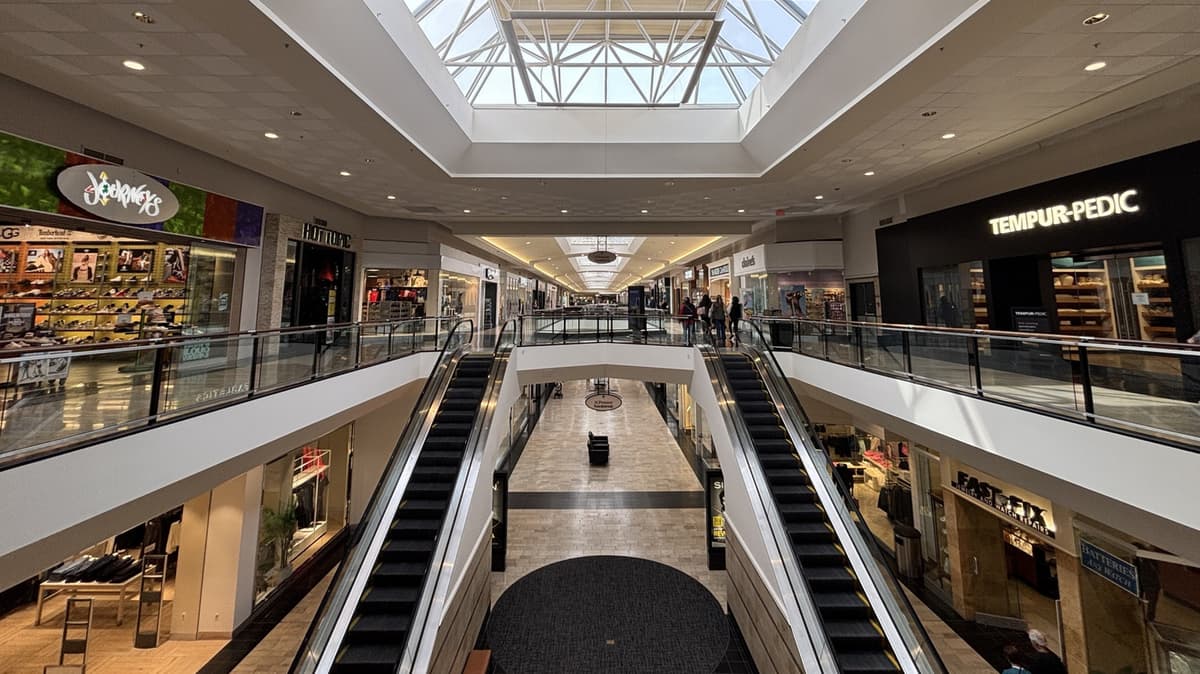
Pittsburgh's Unexpectedly Thriving Mall Is A Trendy Pennsylvania Gem With Bustling Shops And Restaurants
Companies Mentioned


Why It Matters
Ross Park’s success proves that experiential, mixed‑use malls can thrive despite the broader retail downturn, offering a blueprint for investors and developers aiming to revitalize aging shopping centers.
Key Takeaways
- •Ross Park Mall holds 97.9% occupancy across 1.24M sq ft
- •2000 renovation added $14M kids play area
- •2024 Dick’s House of Sport anchor adds climbing wall
- •25+ retailers exclusive to Pittsburgh market
- •Dining, spa, and entertainment boost foot traffic
Pulse Analysis
While the United States has seen mall counts tumble from roughly 25,000 in the mid‑1980s to an estimated 1,200 by the end of 2025, Ross Park Mall illustrates that selective adaptation can reverse the narrative. Located nine miles north of downtown Pittsburgh, the center now boasts a 97.9% occupancy rate and more than 150 tenants, positioning it as a regional retail anchor. Its sustained performance underscores how a high‑end tenant mix, combined with a sizable footprint of 1.24 million sq ft, can attract shoppers from both Pennsylvania and neighboring Ohio.
The mall’s resilience stems from a deliberate shift toward experiential retail. Early in the 2000s, owners injected $14 million to create a family‑friendly play area, signaling a move beyond pure commerce. Subsequent expansions—most notably the 32,000‑sq‑ft addition for Nordstrom in 2008 and the 2024 introduction of Dick’s House of Sport with a 30‑foot climbing wall, golf simulators, and an outdoor sports field—have turned the property into a destination for leisure and fitness. By integrating unique brands like Alo Yoga and Aritzia, and expanding food‑service options from The Cheesecake Factory to local distillery Wigle Whiskey, Ross Park delivers experiences that e‑commerce cannot replicate.
For developers and investors, Ross Park offers a replicable playbook: prioritize continuous capital upgrades, diversify the tenant roster with experiential anchors, and embed dining and wellness services that extend dwell time. As consumer preferences increasingly favor “shop‑and‑play” environments, malls that evolve into community hubs stand to capture higher foot traffic and rental yields, even as traditional retail faces headwinds. The Ross Park model suggests that the future of malls lies not in resisting change but in embracing it, turning brick‑and‑mortar spaces into vibrant, multi‑purpose venues.
Pittsburgh's Unexpectedly Thriving Mall Is A Trendy Pennsylvania Gem With Bustling Shops And Restaurants
Comments
Want to join the conversation?
Loading comments...