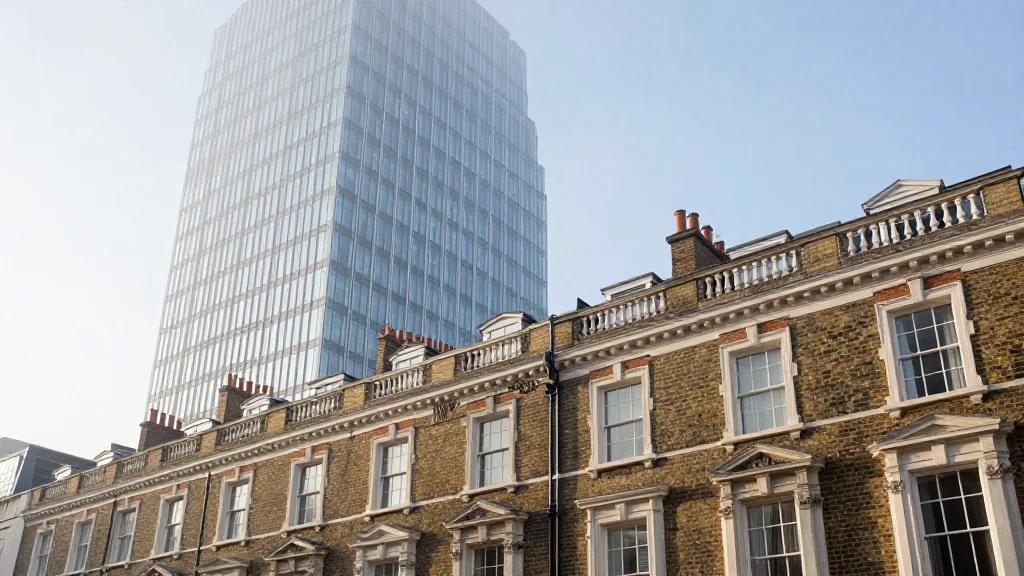
Planning Inspector Rejects Berkeley’s Appeal for 867-Home Peckham Redevelopment
Why It Matters
The ruling delays a sizable addition to South London’s housing stock, intensifying supply pressures, while signaling stricter scrutiny of large projects near heritage sites. Developers must balance density targets with design sensitivity to obtain planning consent.
Key Takeaways
- •Inspector cited excessive height disrupting Peckham's historic skyline
- •Design deemed incompatible with nearby heritage-listed buildings
- •Appeal rejection stalls 867 new homes, affecting local housing supply
- •Berkeley may need to redesign to meet London planning guidelines
- •Decision underscores growing scrutiny of large-scale developments in South London
Pulse Analysis
London’s planning system has long grappled with the clash between rapid housing construction and the preservation of historic environments. In the case of Berkeley’s 867‑home Peckham scheme, the planning inspector focused on two core issues: the building’s scale, which would have risen above the established townscape, and its architectural language, deemed out of step with adjacent heritage‑listed structures. The inspector’s judgment reflects the growing weight given to heritage impact assessments, a trend reinforced by recent guidance from the Ministry of Housing, Communities and Local Government that prioritises contextual design in high‑density zones.
The immediate impact of the decision is a setback for South London’s already strained housing market. With an estimated 867 new units on hold, the local supply gap widens at a time when the city is chasing aggressive affordability targets. The delay also affects financing arrangements, as lenders typically condition funding on secured planning consent. For Berkeley, the path forward will likely involve a redesign that reduces height, incorporates materials sympathetic to the surrounding Victorian terraces, and possibly offers public realm improvements to mitigate community concerns.
Beyond this single project, the ruling signals a broader shift in how large‑scale developments are evaluated across the capital. Planners and developers are increasingly required to embed heritage‑sensitive strategies early in the design process, rather than treating them as afterthoughts. This could spur a wave of innovative, lower‑rise solutions that blend density with contextual respect, reshaping the future of urban growth in London’s heritage‑rich boroughs. Stakeholders who adapt quickly may find competitive advantage, while those resistant to change risk repeated refusals and financial exposure.
Planning inspector rejects Berkeley’s appeal for 867-home Peckham redevelopment
Comments
Want to join the conversation?
Loading comments...