Quality Retail Space Sees Fierce Competition
Companies Mentioned
Why It Matters
The trend signals a lasting reallocation of retail real estate toward smaller, high‑traffic formats, reshaping investment strategies and landlord‑tenant dynamics across the sector.
Key Takeaways
- •Vacancy steady at 4.4%, up 10 bps Q/Q.
- •Retailers favor 1,500‑2,000 sq ft spaces for quick‑service and wellness.
- •Average asking rent rose to $25.89 per sq ft NNN.
- •Discount retailers like Aldi, Trader Joe’s expanding aggressively.
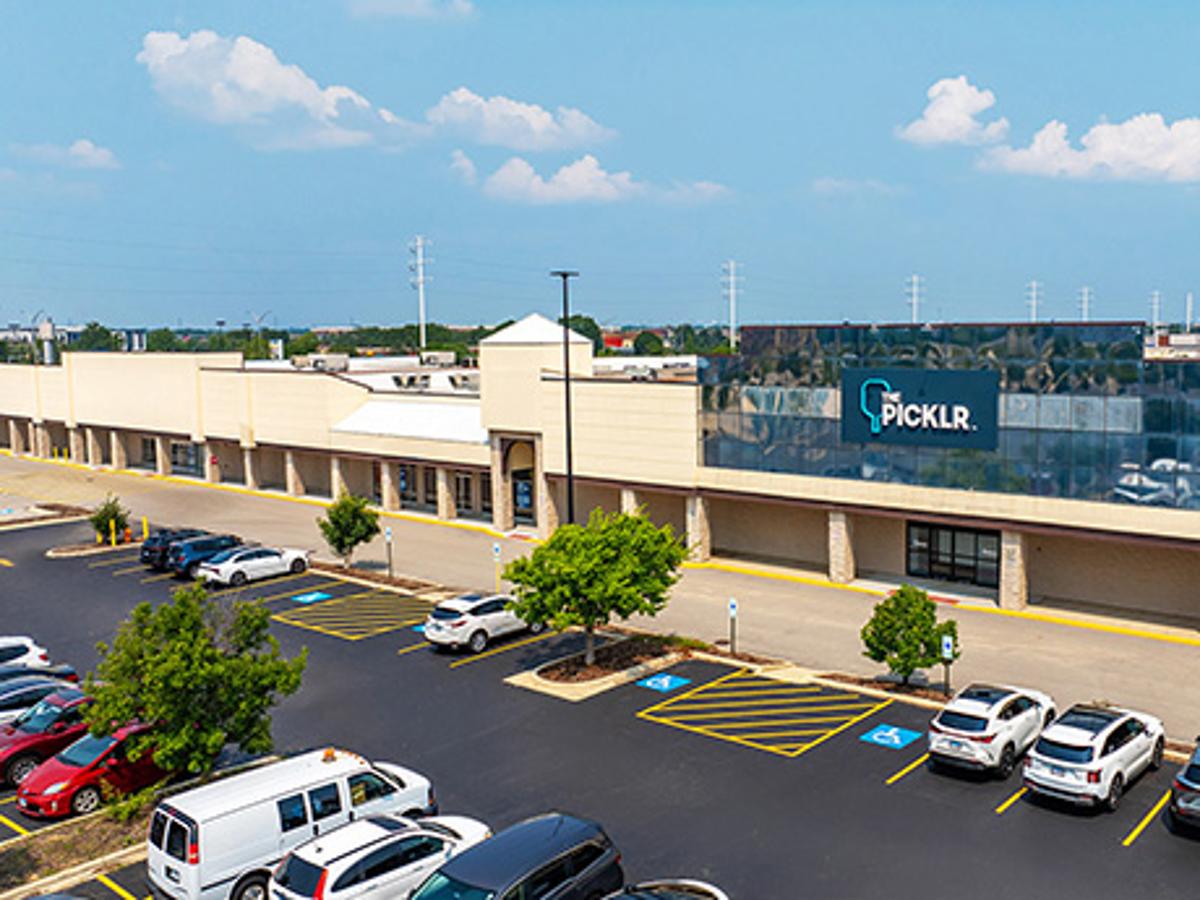
- •Back‑filled large boxes subdivided into fitness, auto‑parts, nonprofits.
Pulse Analysis
The retail leasing landscape is being reshaped by a persistent supply crunch that forces landlords to prioritize location over new construction. With vacancy hovering at 4.4% and asking rents nudging higher to $25.89 per square foot NNN, owners are focusing on rapid back‑fill of existing space. Smaller footprints—typically 1,500 to 2,000 sq ft—are in high demand because they enable quick‑service food, fitness, and wellness concepts to launch with minimal build‑out costs while supporting omnichannel fulfillment, such as curbside pickup and micro‑distribution.
Consumer behavior is the engine behind this shift. Even as sentiment dips, personal consumption grew by 0.5% in February, translating to roughly $103 billion in spending. Shoppers, especially Gen Z, blend digital discovery with in‑store purchase, demanding convenience, value and experience simultaneously. This paradox fuels the expansion of discount grocers like Aldi and specialty retailers such as Trader Joe’s, while experience‑driven tenants—boutique fitness, pet services, and pop‑culture shops—capture foot traffic. The result is a retail mix that balances low‑price essentials with engaging, social‑ready environments.
For landlords and investors, the imperative is to be agile. Large, vacant boxes are being sliced into multiple, purpose‑built units that attract fitness clubs, auto‑parts stores, and nonprofit retailers, effectively diversifying revenue streams and reducing vacancy risk. Mixed‑use developments that integrate residential, office and entertainment components are gaining traction, offering resilience against market cycles. As capital costs remain elevated, owners who can deliver turnkey, second‑generation spaces with ready‑made infrastructure—grease traps, dock doors, and parking—will command premium rents and secure longer‑term lease commitments, positioning the sector for steady, albeit measured, growth.
Quality Retail Space Sees Fierce Competition
Comments
Want to join the conversation?
Loading comments...