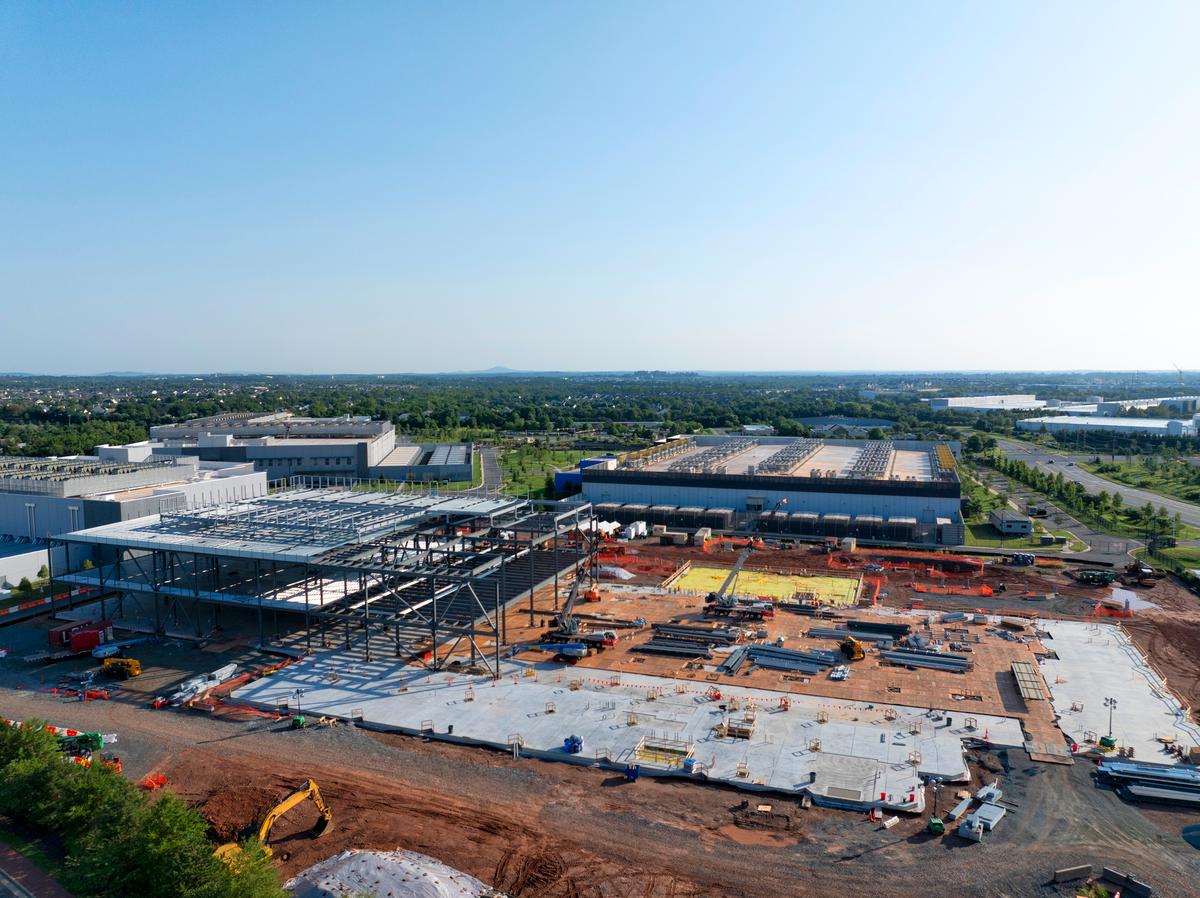
Real Estate Lenders Playing a Distinct Role in Data Centres, Says ING Infra Expert
Companies Mentioned
Why It Matters
Real estate lenders’ participation signals broader capital availability for data centre expansion, yet their limited scope highlights the need for specialized financing to cover high‑tech components. Investors and developers must navigate a split funding landscape to meet escalating demand.
Key Takeaways
- •Real estate lenders fund land acquisition for data centre projects
- •Financing focus remains on construction, not operational technology
- •ING expects limited exposure due to high capex and tech risk
- •Specialist tech lenders dominate equipment and power infrastructure financing
- •Hybrid financing models may emerge as data centre demand grows
Pulse Analysis
The data centre market is experiencing unprecedented growth, driven by cloud adoption, AI workloads, and edge computing. Projects now require billions of dollars in capital, with land, build‑out, and power infrastructure each demanding separate financing strategies. Traditional real‑estate debt has historically covered the physical footprint, but the surge in power‑intensive equipment and cooling systems has introduced new layers of complexity that pure real‑estate lenders are not equipped to handle.
ING’s observation that real‑estate lenders will play an "important but limited" role reflects this evolving landscape. These lenders excel at underwriting property assets, offering long‑term, low‑interest loans for site acquisition and structural construction. However, the high‑tech components—servers, networking gear, and sophisticated cooling—carry rapid obsolescence and operational risk, prompting developers to turn to specialist tech financiers who can provide equipment leasing, mezzanine debt, and performance‑linked capital. This division of labor helps mitigate risk while ensuring projects stay on schedule.
Looking ahead, the financing ecosystem may converge into hybrid structures that blend real‑estate debt with technology‑focused capital. Such models could attract a broader investor base, offering diversified risk‑return profiles as data centre demand continues to outpace supply. For developers, understanding the distinct roles of each lender type will be crucial to structuring cost‑effective, resilient projects. Meanwhile, investors should monitor how these financing trends influence valuation, yield expectations, and the overall health of the digital infrastructure market.
Real estate lenders playing a distinct role in data centres, says ING infra expert
Comments
Want to join the conversation?
Loading comments...