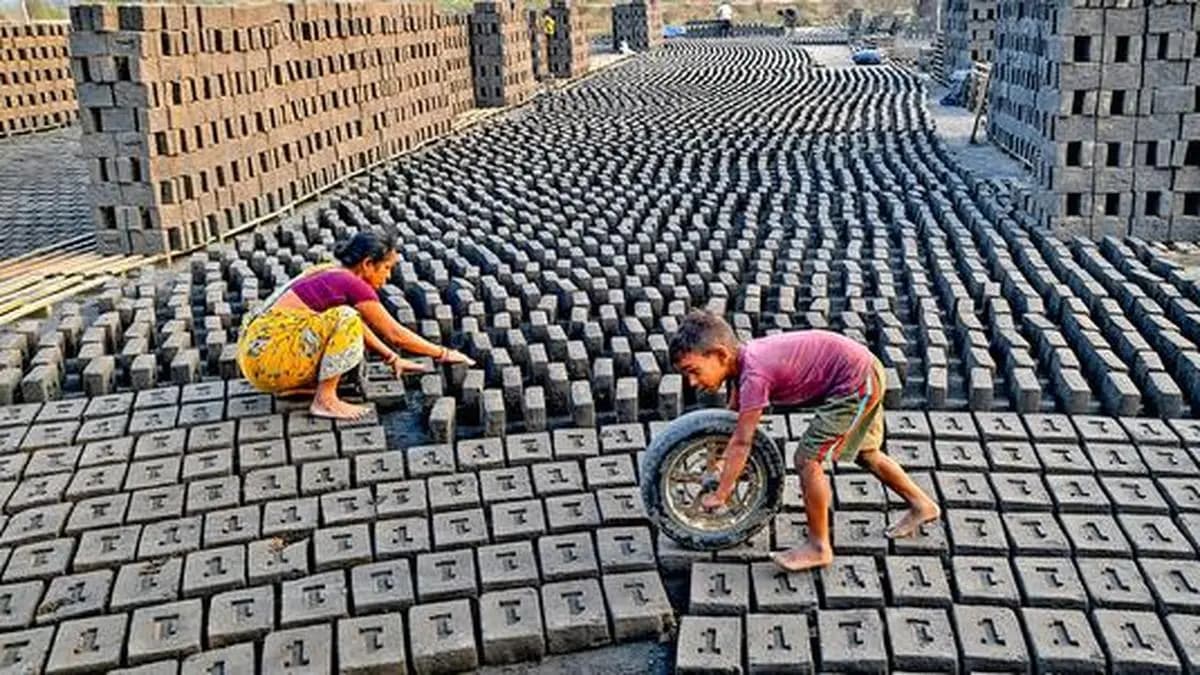
Realty Sector Hit as Bengal Workers yet to Return After Voting
Why It Matters
The labour crunch threatens to delay new housing supply, inflate construction costs and reshape migration‑driven workforce dynamics that underpin India's real‑estate growth.
Key Takeaways
- •West Bengal carpenters shortage leaves 75 vacancies at Featherlite site
- •Labor strength fell nearly 30% after Bengal elections
- •Project delays in Chennai projected at three to six months
- •Developers anticipate higher wages to attract limited workforce
- •Rural job growth reduces migrant return rates to 60‑70%
Pulse Analysis
India’s construction sector has long relied on a steady stream of migrant workers from eastern states, especially West Bengal, to fill skilled trades such as carpentry and masonry. The recent state elections disrupted that pipeline, leaving developers in the south scrambling to cover gaps. Historically, workers returned within weeks, but this cycle saw a 30% dip in on‑site staff and a 75‑person shortfall at a single Featherlite project, underscoring how political events can ripple through supply chains far beyond their geographic origin.
The immediate fallout is a cascade of delays and cost pressures. In Chennai, developers warn that the combined effect of labour scarcity and material shortages could stall projects for up to six months, eroding profit margins and pushing delivery dates further out. Wage competition is intensifying as firms vie for a shrinking pool, prompting some, like Concorde, to subsidise travel costs to lure workers back. These dynamics force developers to reassess budgeting, potentially passing higher construction expenses onto homebuyers and slowing the pipeline of new inventory in a market already sensitive to price fluctuations.
Long‑term, the episode may accelerate structural changes in the industry. With rural employment opportunities expanding in Jharkhand, Chhattisgarh and Uttar Pradesh, workers are less inclined to migrate south, reducing the reliability of traditional labour sources. Developers may respond by investing in automation, upskilling local workforces, or diversifying recruitment across regions. Policymakers could also intervene, offering incentives for skill development in high‑demand trades to stabilise the labour market. Understanding these shifts is crucial for investors and developers aiming to navigate India’s evolving real‑estate landscape.
Realty sector hit as Bengal workers yet to return after voting
Comments
Want to join the conversation?
Loading comments...