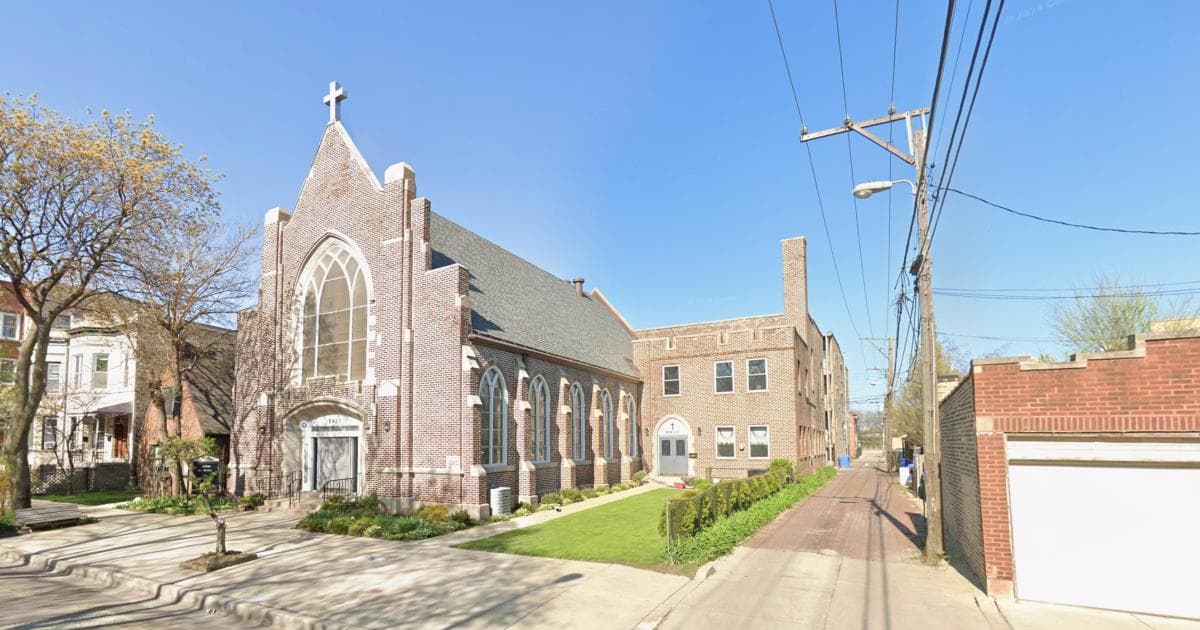
Reno Permit Issued for Residential Conversion at 2625 N. Talman
Why It Matters
The conversion adds premium rental inventory in a tight Reno market while preserving a historic structure, signaling growing investor confidence in adaptive‑reuse projects. It also contributes to the city’s affordable‑housing quota, addressing local policy goals.
Key Takeaways
- •Talman Lofts will add 16 upscale apartments to a historic church
- •Unit mix includes six one‑beds, eight two‑beds, and two three‑beds
- •Rents start at $2,000 for one‑bedrooms, up to $3,200 for three‑beds
- •Project meets affordable housing requirements with three ARO‑compliant units
- •No parking; bike storage added, reflecting urban mobility trends
Pulse Analysis
Adaptive reuse of religious buildings is reshaping mid‑size U.S. cities, and Reno is no exception. By converting a 1925 church into modern lofts, developers tap into a niche that blends heritage preservation with high‑density housing. Such projects often enjoy streamlined permitting and community goodwill, especially when they incorporate design elements—like double‑height living spaces—that capitalize on unique architectural features. The trend reflects broader shifts toward sustainable development, where existing structures are repurposed rather than demolished, reducing material waste and preserving cultural landmarks.
Talman Lofts exemplifies this approach with a carefully calibrated unit mix. Six one‑bedroom, eight two‑bedroom, and two three‑bedroom apartments range from 580 to 1,380 square feet, targeting young professionals and small families seeking upscale rentals at $2,000‑$3,200 per month. By allocating three units to meet the Affordable Rental Ordinance, Mo2 Properties aligns the project with municipal housing mandates, potentially qualifying for tax incentives. The design by SPACE Architects + Planners preserves the church’s vaulted nave, creating loft‑style duplexes that command premium rents while delivering a distinctive living experience.
The development’s impact on Reno’s housing dynamics could be significant. With limited new construction and rising demand, adding 16 units helps ease vacancy pressures and diversifies the rental pool. The absence of dedicated car parking, offset by basement bike storage, signals a shift toward transit‑oriented lifestyles, resonating with younger renters who prioritize walkability and sustainability. As the project progresses over the next year, it may set a precedent for similar conversions, encouraging investors to explore underutilized historic assets as viable sources of urban housing supply.
Reno permit issued for residential conversion at 2625 N. Talman
Comments
Want to join the conversation?
Loading comments...