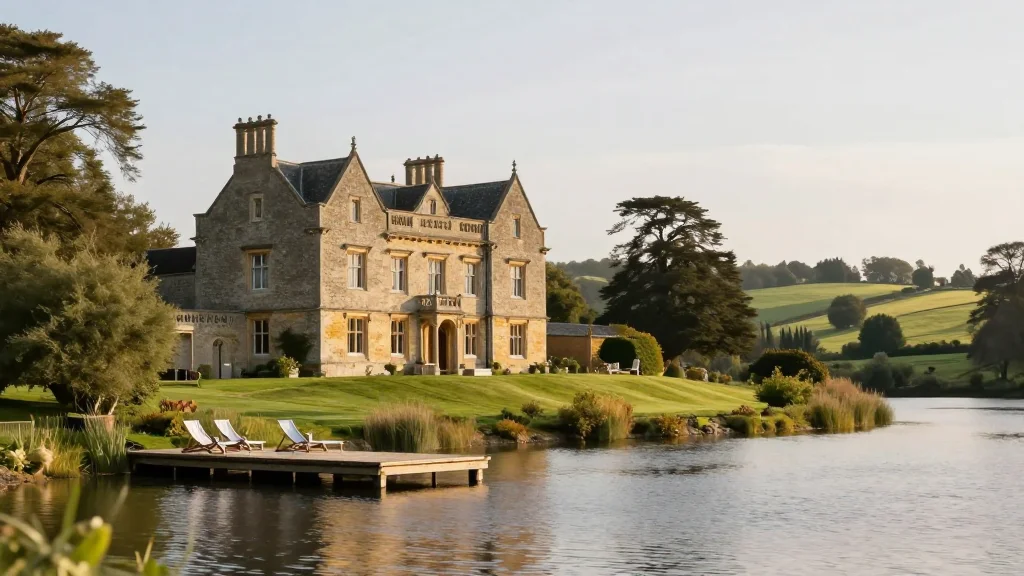
Ryanair Co-Founder Restored An 18th Century Village In Ireland And Now It’s Up For Sale For $23 Million
Companies Mentioned
Why It Matters
The sale highlights growing investor interest in heritage luxury assets that blend tourism revenue with exclusive private ownership, signaling a niche but lucrative segment of the Irish real‑estate market.
Key Takeaways
- •20‑acre estate with 47 guest rooms listed for $23 million
- •Restored by Ryanair co‑founder Tony Ryan in 1990s
- •Includes spa, yoga studio, chapel, bars, event space
- •Potential buyer: hospitality operator or private estate owner
Pulse Analysis
Heritage properties like the Village at Lyons are increasingly viewed as premium assets that combine cultural significance with high‑end hospitality revenue. Buyers are drawn to the rarity of owning an entire historic village, especially one that offers a turnkey operation with established branding, on‑site amenities, and a proven pricing model. In a market where luxury travelers seek authentic experiences, such estates command premium nightly rates and can command strong occupancy even outside peak seasons, making them attractive for both profit and prestige.
Tony Ryan’s 1990s restoration set a benchmark for meticulous preservation, blending original 18th‑century architecture with modern luxury comforts. The project transformed a derelict settlement into a self‑contained resort, complete with spa facilities, yoga studios, and event spaces that cater to corporate retreats and high‑net‑worth guests. This level of investment not only rescued a piece of Irish heritage but also created a sustainable tourism engine that contributes to the local economy, showcasing how private capital can revitalize historic sites while delivering measurable returns.
For prospective investors, the Village at Lyons presents a dual‑path opportunity: expand the existing hospitality model or convert the estate into an exclusive private residence. Ireland’s stable property laws, favorable tax incentives for heritage conservation, and proximity to Dublin make the location strategically valuable. A buyer with hospitality expertise can leverage the venue’s existing infrastructure to increase occupancy and rates, while a private owner gains a unique estate with built‑in revenue streams. The transaction underscores a broader trend of affluent buyers seeking assets that offer both cultural cachet and diversified income potential.
Ryanair Co-Founder Restored An 18th Century Village In Ireland And Now It’s Up For Sale For $23 million
Comments
Want to join the conversation?
Loading comments...