Sea Level Rise and Sunny-Day Flooding Can’t Stop a Building Boom on the Jersey Shore
Why It Matters
The dispute pits immediate economic gains from coastal development against long‑term resilience and property‑value risks, shaping how vulnerable states will regulate growth under climate change.
Key Takeaways
- •Luxury condos rise in Asbury Park despite flood warnings
- •REAL regulations mandate homes 4 ft above FEMA standards
- •Four counties sue NJ DEP over perceived regulatory overreach
- •Projected sea‑level rise could reach 4.4 ft by 2100
- •Sunny‑day flooding already impacts Atlantic City, Ocean City
Pulse Analysis
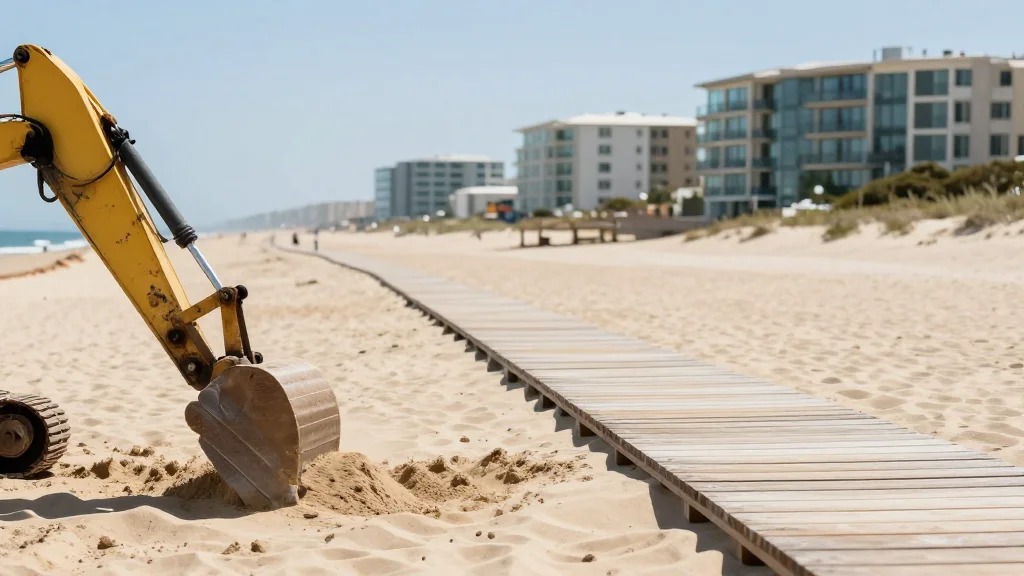
The Jersey Shore is witnessing a construction surge that seems oblivious to climate warnings. Million‑dollar condos now line the boardwalk in Asbury Park, while Seaside Park and Somers Point push ahead with luxury townhouses and new homes. Developers argue that high‑end buyers still crave ocean views, even if future tides may encroach. This demand is fueled by a post‑pandemic migration to coastal markets and limited inland inventory, creating a paradox where profit motives clash with escalating flood risk.
The state’s Resilient Environments and Landscapes (REAL) rule, adopted in January, raises the minimum elevation for new shoreline structures to four feet above current FEMA standards and expands flood‑zone mapping. Business groups such as the New Jersey Business & Industry Association and the Builders Association have filed appeals, arguing the measures exceed the DEP’s authority and will inflate construction costs. County officials in Cape May, Monmouth, Cumberland and Ocean have joined lawsuits, while Senate President Nicholas Scutari backs a resolution to roll back the regulations, highlighting the political volatility of climate‑adaptation policy.
Scientists warn that sea level along the Jersey coast has already risen 18 inches—more than double the global average—and could climb another 4.4 feet by 2100. The REAL framework, if upheld, could become a template for other vulnerable states, integrating long‑term projections into land‑use planning and demanding higher foundations, improved storm‑water systems, and wetland protection. For investors and homeowners, the message is clear: future property values will hinge on resilience. Early adopters of adaptive design may preserve marketability, while projects that ignore the rules risk costly retrofits or legal setbacks.
Sea Level Rise and Sunny-Day Flooding Can’t Stop a Building Boom on the Jersey Shore
Comments
Want to join the conversation?
Loading comments...