Seattle Mayor Katie Wilson Pushes $17.5M Shelter Expansion Amid Activist Pushback

Companies Mentioned
Why It Matters
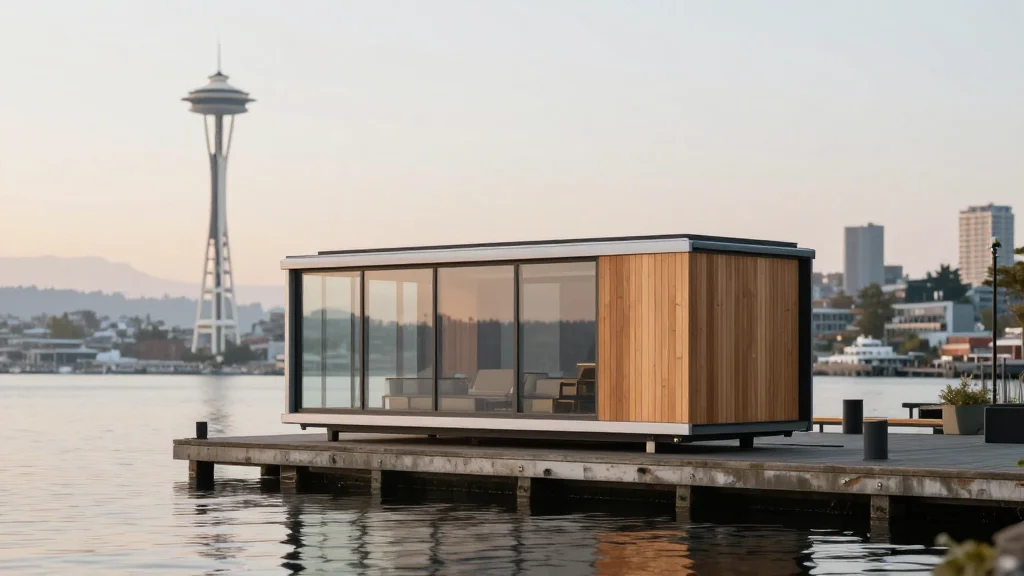
The Interbay shelter marks the first large‑scale, city‑backed micro‑modular housing effort in Seattle, signaling a shift toward rapid, modular construction as a tool for homelessness mitigation. If successful, the project could provide a template for other municipalities facing budget constraints and housing shortages. However, the initiative also highlights the fragile balance between emergency shelter provision and the pursuit of permanent supportive housing. Critics warn that an over‑reliance on temporary units may divert resources from long‑term solutions, while the involvement of major corporations raises questions about the role of private capital in public welfare programs.
Key Takeaways
- •Mayor Katie Wilson announced a $17.5 million micro‑modular shelter for 75 residents in Interbay
- •Goal to deliver 1,000 emergency shelter units in 2026 and 4,000 over four years
- •Timeline compressed to 3‑5 months, down from the usual 9‑12 months
- •Seattle faces a $140 million budget deficit; progressive‑tax options under study
- •Corporate partners Starbucks, Microsoft, T‑Mobile and Mariners CEO John Stanton pledged support
Pulse Analysis
Wilson’s shelter push reflects a broader national trend of cities turning to modular construction to address homelessness quickly. The technology reduces permitting time and labor costs, but it also requires upfront capital and strong coordination with private partners. Seattle’s hybrid financing—mixing municipal bonds, corporate donations, and state grants—mirrors experiments in cities like Austin and Los Angeles, where public‑private models have produced mixed results.
Historically, Seattle’s homelessness strategy has oscillated between large‑scale permanent housing initiatives and short‑term emergency solutions. Wilson’s emphasis on rapid shelter deployment could be seen as a pragmatic response to the immediate crisis, yet it risks repeating past patterns where temporary units become de‑facto permanent fixtures. The city’s $140 million deficit compounds this risk, as any cost overruns could force cuts to other social services or delay the transition to supportive housing.
Politically, the coalition of progressive activists and downtown business leaders is unusual. It suggests that the homelessness issue can bridge ideological divides when framed as both a humanitarian imperative and an economic necessity for a city hosting a global event. The upcoming World Cup may act as a catalyst, pressuring officials to showcase a humane urban image while also exposing the limits of short‑term fixes. The next six months will reveal whether Seattle can scale modular shelters without compromising its longer‑term housing agenda.
Seattle Mayor Katie Wilson Pushes $17.5M Shelter Expansion Amid Activist Pushback
Comments
Want to join the conversation?
Loading comments...