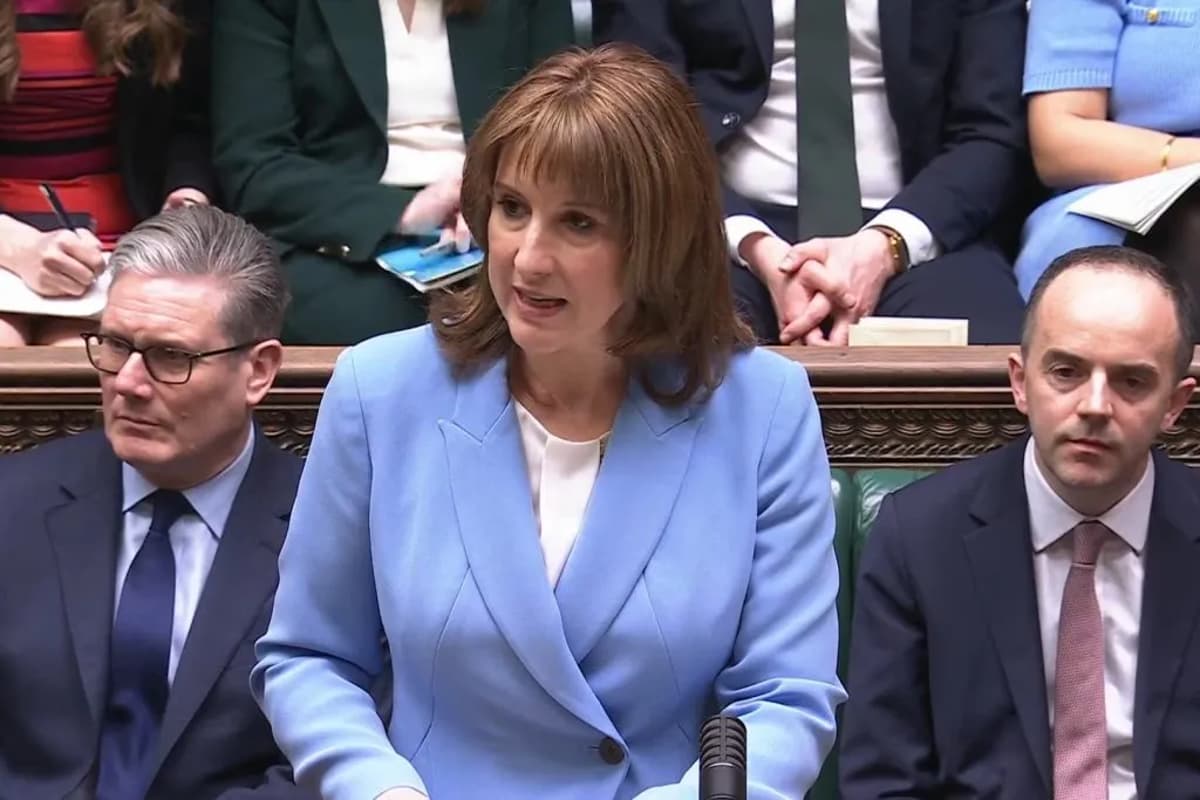
Sector ‘Alarmed’ as Reeves Mulls One-Year Residential Rent Freeze
Why It Matters
A rent freeze could depress private‑rental supply, deter investment, and undermine efforts to address the UK housing shortage, while also shaping the political narrative ahead of local elections.
Key Takeaways
- •Reeves reportedly mulls one‑year rent freeze in England
- •Housing ministers publicly reject rent‑control measures
- •Industry warns freeze could cut private‑rental supply
- •Experts urge building more homes over price caps
- •Renters’ coalition calls for inflation‑linked rent caps
Pulse Analysis
The prospect of a short‑term rent freeze has surged into the political spotlight as Chancellor Rachel Reeves is said to be weighing a one‑year moratorium on residential rent hikes in England. The idea emerged amid concerns that the war in the Middle East is straining household budgets and mortgage payments, prompting the Treasury to explore “exceptional measures.” Yet the timing is delicate: housing minister Matthew Pennycook has already signaled the government’s opposition to rent controls, a stance amplified by the Green Party’s push ahead of next week’s local elections. The debate reflects a broader tension between short‑term relief and long‑term market stability.
Economists and builders caution that a rent freeze could backfire by reducing the already scarce supply of private‑rented homes. Evidence from Sweden, Germany, San Francisco and recent Scottish experiments suggests price caps often depress construction incentives and push landlords to withdraw units. In the UK, upcoming energy‑efficiency mandates—requiring all private rentals to achieve at least EPC ‘C’ by 2030—will raise operating costs. If landlords cannot recoup these expenses through rent adjustments, many may exit the market, exacerbating the supply‑demand gap that currently drives rents upward.
Industry bodies such as the Federation of Master Builders and Propertymark have urged the government to focus on expanding housing stock rather than imposing price limits. Their preferred strategy includes accelerating social‑housing builds, streamlining planning approvals, and addressing “NIMBY” opposition that stalls new projects. Meanwhile, the Renters’ Reform Coalition proposes a more measured approach: capping annual rent increases to inflation or wage growth, providing predictable affordability without stifling investment. As the Treasury deliberates, the outcome will signal whether policymakers prioritize immediate political gain or the long‑term health of the UK’s private rental sector.
Sector ‘alarmed’ as Reeves mulls one-year residential rent freeze
Comments
Want to join the conversation?
Loading comments...