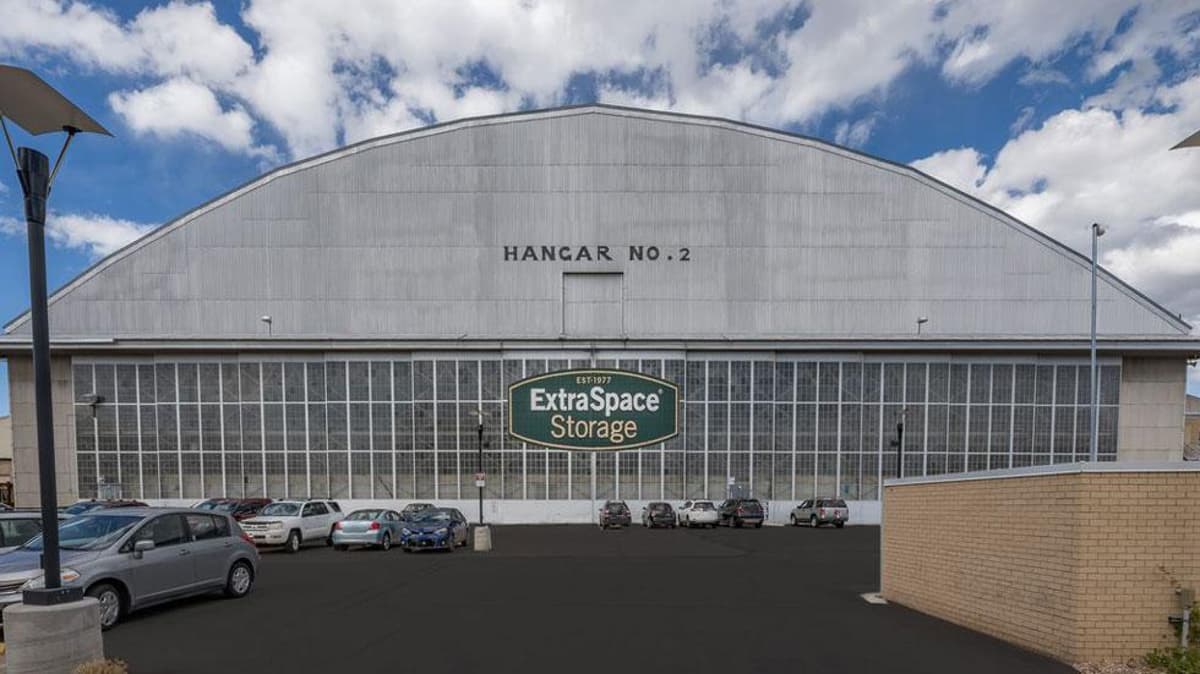
Self-Storage Adaptive Reuse Offers Cost, Zoning, Synergistic Benefits
Companies Mentioned
Why It Matters
Adaptive reuse slashes construction expenses and bypasses land‑use hurdles, accelerating self‑storage expansion in high‑density markets and supporting broader urban infill strategies.
Key Takeaways
- •3.8 M sq ft of adaptive‑reuse storage under construction, 7.2% of new builds.
- •Development costs drop 37‑50% versus ground‑up construction.
- •Irving, Texas leads adaptive‑reuse projects; East Coast and Midwest follow.
- •41% conversions from industrial/logistics sites; 34% from former offices.
- •Mixed‑use conversions boost foot traffic and complement nearby multifamily housing.
Pulse Analysis
The surge in adaptive‑reuse projects reflects a pragmatic response to soaring land prices and restrictive zoning that have long hampered ground‑up self‑storage builds in major metros. By repurposing vacant retail, industrial, or office structures, developers tap into existing infrastructure—clear heights, loading docks, and parking—while avoiding the lengthy entitlement processes tied to new construction. Cost analyses from the StorageCafe study indicate a 37% to 50% reduction per square foot, a margin that directly improves return‑on‑capital and shortens the path to revenue generation, especially when partial occupancy can be achieved during phased retrofits.
Geographically, the trend concentrates in markets where storage demand outpaces supply, such as Chicago, New York City, Los Angeles, and St. Paul. Irving, Texas tops the list for total adaptive‑reuse square footage, but the East Coast and Midwest collectively host the majority of projects, underscoring the nationwide relevance of the model. The source building mix matters: 41% of conversions stem from industrial or logistics facilities, prized for their robust floor loads, while 34% originate from office spaces, which require structural upgrades to meet the 125‑150 lb/ft² storage load standard. Successful conversions also hinge on clear‑height thresholds—typically 22 feet—to accommodate mezzanines and maximize rentable area.
For investors and urban planners, adaptive reuse offers a win‑win. Storage operators gain proximity to multifamily developments and transit corridors, aligning with consumer preferences for facilities within a mile of home. Municipalities benefit from increased tax revenue and revitalized underutilized parcels without the traffic congestion associated with larger industrial projects. As office vacancies persist and cities prioritize infill development, the adaptive‑reuse playbook is poised to become a cornerstone of self‑storage growth, delivering both financial upside and community‑level benefits.
Self-Storage Adaptive Reuse Offers Cost, Zoning, Synergistic Benefits
Comments
Want to join the conversation?
Loading comments...