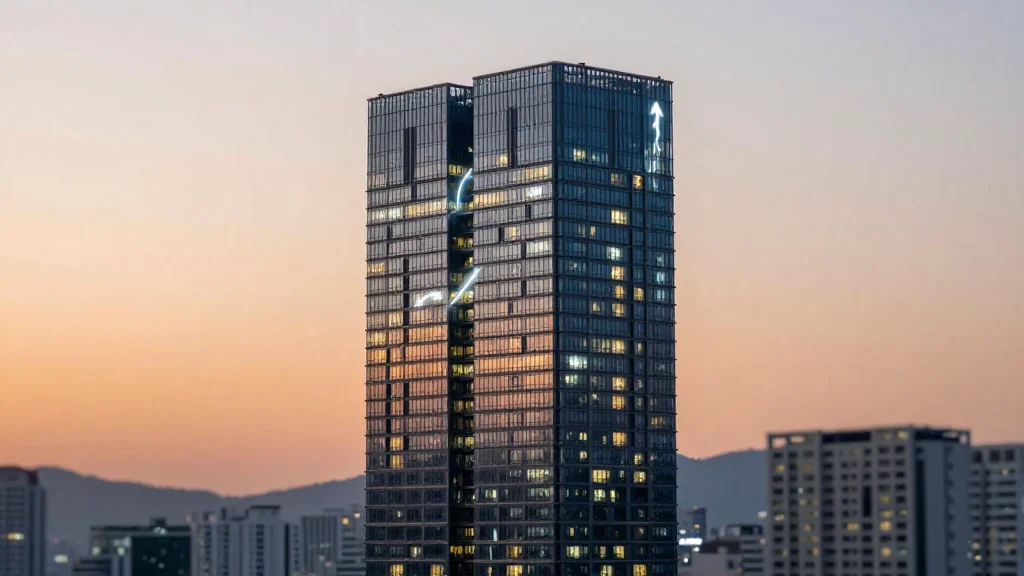
Seoul Home Prices Jump 19% in a Year, Sparking National Stability Concerns

Why It Matters
The rapid escalation of Seoul’s home prices threatens more than individual wallets; it strikes at the core of South Korea’s demographic challenges. With the nation’s birth rate already the world’s lowest, unaffordable housing discourages marriage and child‑bearing, amplifying long‑term labor shortages and fiscal pressures on the pension system. Moreover, the housing market’s volatility can spill over into the broader financial system, as mortgage‑backed assets constitute a sizable share of household debt. Policy responses will set a precedent for how Asian economies confront speculative bubbles in densely populated megacities. Successful mitigation could stabilize social cohesion and sustain economic growth, while missteps risk deepening inequality and sparking political unrest.
Key Takeaways
- •Seoul apartment prices rose 19% year‑over‑year, according to the Ministry of Land, Infrastructure and Transport.
- •Typical jeonse deposits now exceed $400,000, pushing many tenants toward costly monthly rents.
- •President Lee Jae‑myung listed his own Seoul apartment below market value as a symbolic anti‑speculation move.
- •Nurse Woo Ye‑wan’s mortgage consumes about two‑thirds of her income, illustrating the burden on young buyers.
- •Korea Post plans a $230 million overseas real‑estate secondary fund, reflecting domestic market strain.
Pulse Analysis
Seoul’s price explosion mirrors a classic supply‑demand mismatch amplified by low‑interest rates and a cultural premium on homeownership. Historically, Korean policy has relied on the jeonse system to keep rents low, but soaring property values have turned the system into a de‑facto wealth tax on renters. The president’s direct involvement—publicly listing his own unit—signals a political calculus that the issue is now a vote‑winning imperative, not just an economic nuisance.
From a market‑structure perspective, the surge has created a bifurcated landscape: high‑end investors continue to chase capital gains, while a growing cohort of middle‑class earners are forced into precarious debt positions. The government’s toolkit—mortgage‑to‑value limits, vacancy taxes, and accelerated public‑housing construction—must be calibrated to avoid choking liquidity, which could trigger a sharp correction and erode household wealth.
Internationally, Seoul’s dilemma offers a cautionary tale for other high‑density Asian cities facing similar pressures, such as Tokyo and Shanghai. The Korean experience underscores the importance of early, transparent policy signals and the need for diversified housing finance mechanisms that can absorb shocks without over‑relying on speculative capital. As the administration rolls out its anti‑speculation agenda, investors will watch closely for regulatory clarity, which will dictate whether capital flows shift toward more stable, yield‑focused assets like data‑centre real estate—a sector Korea Post is already eyeing.
In the short term, the market is likely to see heightened volatility as lenders tighten credit and developers reassess project pipelines. Over the medium term, successful policy implementation could restore confidence among first‑time buyers, stabilize birth‑rate trends, and preserve the social contract that underpins South Korea’s rapid post‑war growth.
Seoul Home Prices Jump 19% in a Year, Sparking National Stability Concerns
Comments
Want to join the conversation?
Loading comments...