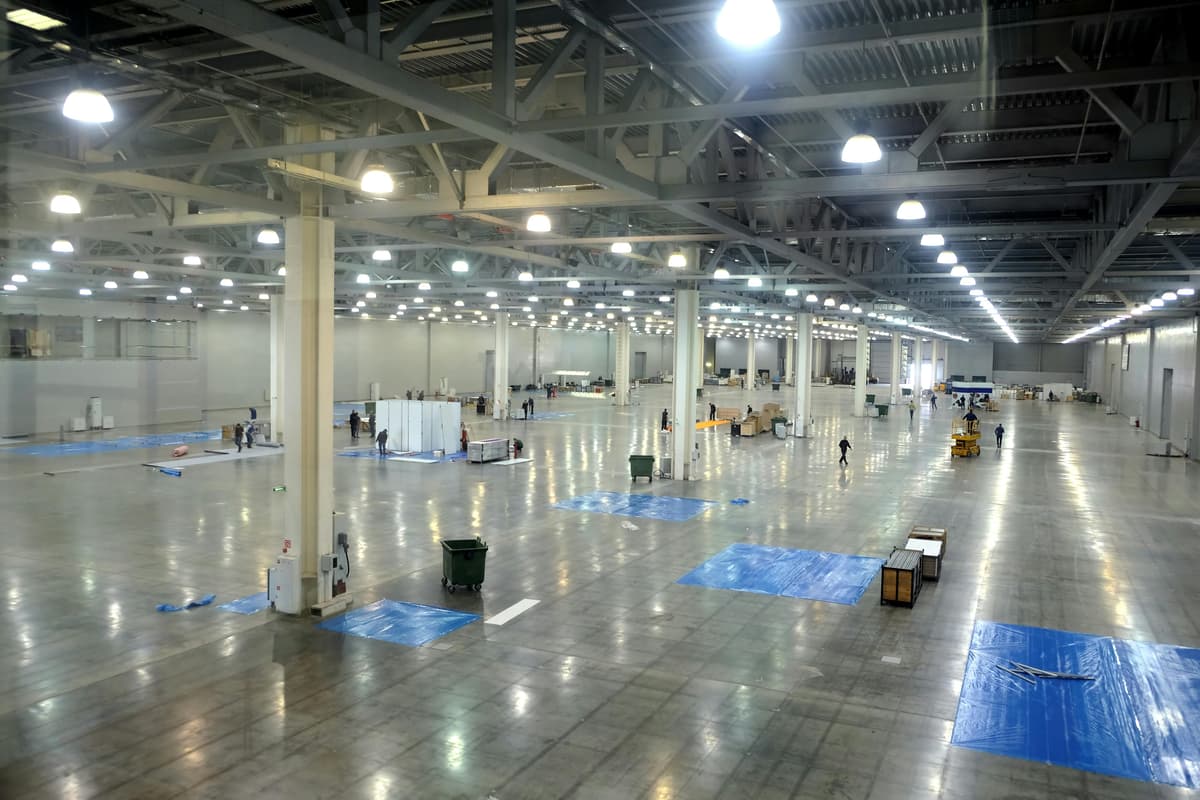
Snapshot of Industrial Market for Q1
Why It Matters
Stabilization signals a more predictable investment environment, reducing speculative risk for developers and investors while supporting steady income streams for landlords.
Key Takeaways
- •Vacancy held at 7.4% nationally, slight year‑over‑year increase.
- •57M SF delivered vs 43M SF absorbed, lowest quarterly deliveries since 2019.
- •South supplied 65% of demand, led by Atlanta, DFW, Houston.
- •Construction pipeline 286M SF, build‑to‑suit focus, starts remain steady.
- •Average rent flat $10.46/SF; Houston up 14%, Inland Empire down 7%
Pulse Analysis
The industrial sector’s move toward equilibrium reflects a maturing market that has shed the frenetic pace of new builds that characterized the post‑pandemic boom. With 57 million square feet of space completed in Q1—the lowest quarterly supply flow since 2019—absorption of 43 million square feet shows tenants are still hungry, but the gap between inventory and demand is narrowing. This supply‑demand convergence is easing upward pressure on vacancy, which now sits at 7.4% nationwide, and provides a clearer pricing framework for investors evaluating asset‑level risk and return.
Regional dynamics are shaping the next phase of growth. The South continues to dominate demand, accounting for 65% of total absorption and driving activity in markets such as Atlanta, Dallas‑Fort Worth, and Houston. Developers are responding by shifting from speculative, speculative‑to‑speculative projects to build‑to‑suit constructions, as evidenced by a 286 million square‑foot pipeline that remains steady despite the slowdown in speculative starts. This strategic pivot reduces exposure to over‑building while aligning new space with tenant specifications, a trend that should sustain occupancy levels and support modest rent gains in high‑demand corridors.
Rent performance underscores the market’s nuanced outlook. While the national average rent has plateaued at $10.46 per square foot, pockets of strength and weakness coexist. Houston’s rent surged 14% year‑over‑year, reflecting tight vacancy and robust logistics demand, whereas the Inland Empire saw a 7% decline, highlighting lingering oversupply on the West Coast. Analysts expect rents to remain flat through the remainder of 2026, with potential incremental increases in the tightest markets as vacancy edges lower. Stakeholders should monitor regional absorption trends and construction pipelines to gauge where pricing pressure may re‑emerge.
Snapshot of Industrial Market for Q1
Comments
Want to join the conversation?
Loading comments...