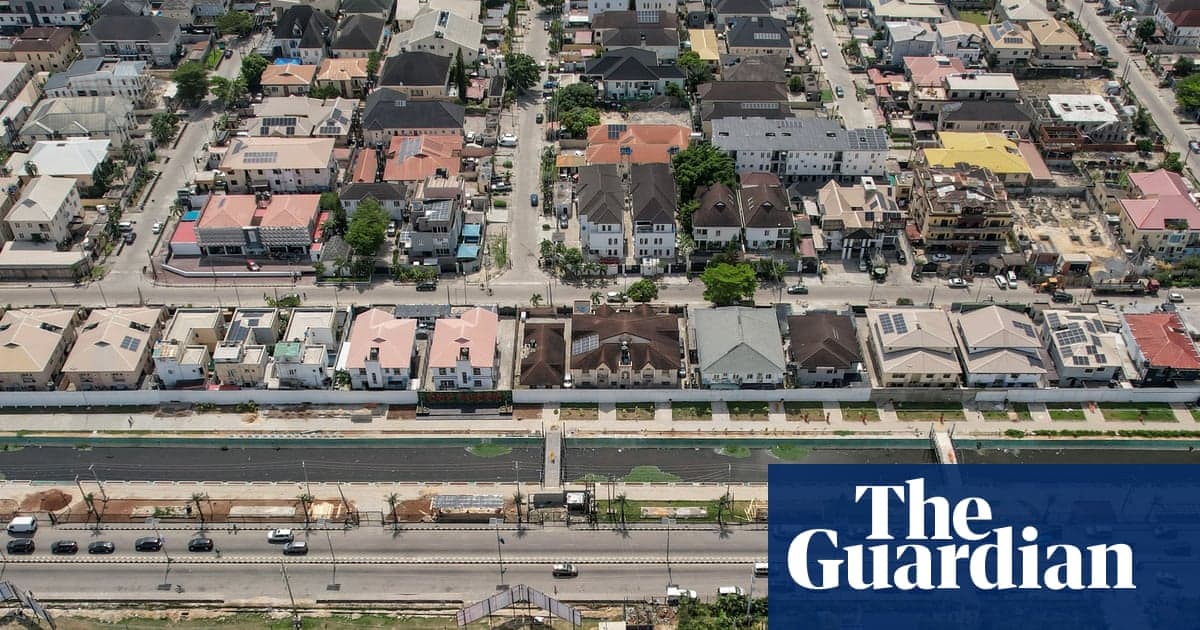
Soaring Rents and a Four-Hour Commute: The Misery of the Lagos Housing Crisis
Why It Matters
Escalating rents and long commutes erode worker productivity and threaten Lagos’s role as a tech and financial hub, underscoring urgent need for affordable‑housing policy.
Key Takeaways
- •Lagos rents rose up to 5× since 2021, outpacing wages
- •Over 3.4 million housing units are lacking citywide
- •Developers favor luxury projects due to higher profit margins
- •Short‑term rentals divert units from long‑term tenants, pushing prices higher
- •Commuters endure 2‑5‑hour trips, straining productivity and wellbeing
Pulse Analysis
Lagos’s explosive population growth—about 6,000 net arrivals daily—has outstripped its housing construction capacity, creating a deficit of roughly 3.4 million units. The shortage is amplified by limited land availability and high construction costs, forcing many to settle in peripheral towns such as Sango Ota and Ijaiye. As the city’s economy expands, the mismatch between supply and demand fuels rent inflation that now eclipses the $645 national minimum wage, squeezing middle‑class households and prompting a wave of multi‑family sharing arrangements.
Rent spikes are stark: a two‑year‑old flat that cost ₦500,000 ($385) now commands ₦2.5 million ($1,923) per year on the mainland, while island apartments have tripled in price. For a typical professional earning ₦240,000 ($185) monthly, housing costs consume a disproportionate share of income, and transport expenses add another $27 weekly. The resulting long commutes—often four hours each way—reduce labor efficiency, increase stress, and raise the risk of talent outflow as workers reconsider the cost‑benefit of staying in Lagos.
Policy makers face a dual challenge: curbing speculative luxury development and rebalancing the market toward affordable units. Incentives for low‑cost construction, land‑use reforms, and stricter regulation of short‑term rentals—currently siphoning high‑value properties away from long‑term tenants—could alleviate pressure. Moreover, expanding public transit corridors would shorten commutes, preserving the city’s appeal to tech and finance talent. Without coordinated action, Lagos risks losing the very human capital that fuels its economic dynamism.
Soaring rents and a four-hour commute: the misery of the Lagos housing crisis
Comments
Want to join the conversation?
Loading comments...