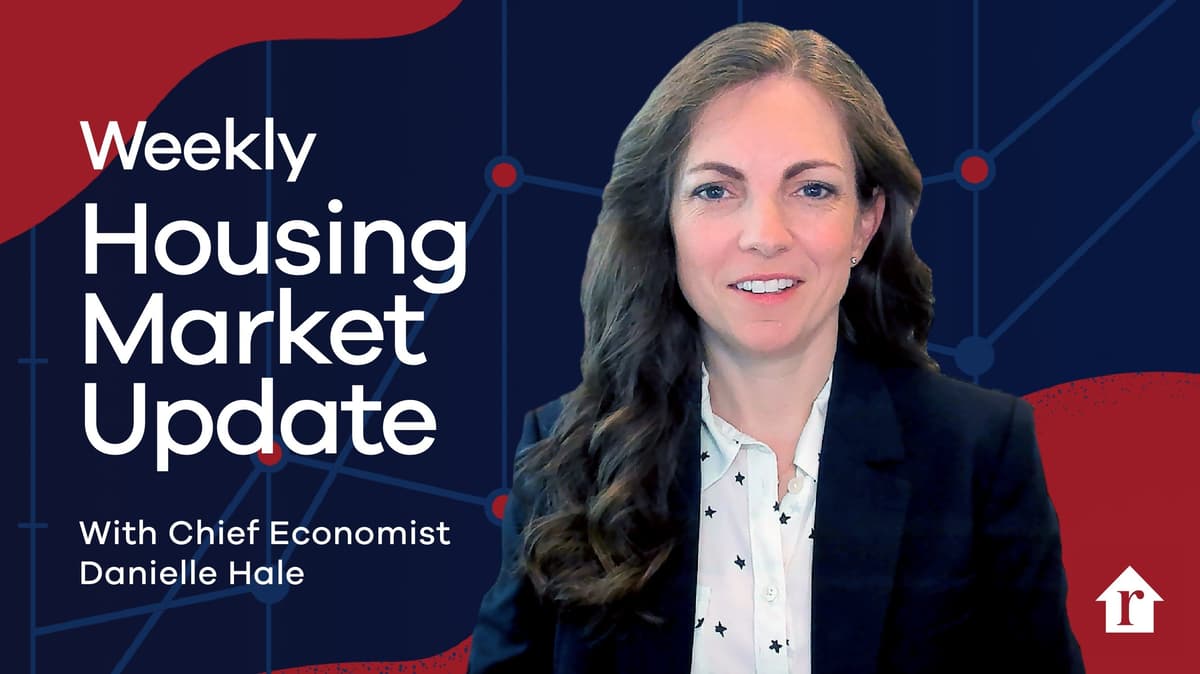
Spring Housing Market Remains Resilient Despite Economic Clouds
Why It Matters
The market’s resilience offers buyers and sellers a clearer pricing signal while highlighting where investors should target affordable, growth‑friendly locales. Understanding the regional split is crucial for strategic positioning in a rate‑sensitive environment.
Key Takeaways
- •Mortgage rates hover near 6.3%, tempering price growth.
- •New listings rise, extending average days on market.
- •Asking prices begin to soften after pandemic‑era spikes.
- •Rental vacancies recover, offering alternative housing option.
- •Mid‑size industrial cities rank top for affordability in 6% rate environment.
Pulse Analysis
The latest housing data underscores how macroeconomic steadiness can temper real‑estate volatility. While the Federal Reserve’s decision to pause rate hikes reflects confidence in a labor market that remains firm, the split among policymakers hints at future uncertainty. Mortgage rates lingering around 6.3% have cooled the rapid price appreciation seen during the pandemic, yet they remain high enough to keep affordability front‑and‑center for many buyers. This delicate balance is reshaping buyer behavior, prompting a more cautious approach to financing and price negotiations.
Inventory dynamics are now the market’s primary driver. A noticeable uptick in new listings across the nation is extending the average days‑on‑market metric, giving buyers breathing room that was absent in previous years. Simultaneously, sellers are adjusting expectations, resulting in modest price softening in many metros. The rental sector is also playing a stabilizing role; as homeowner vacancy rates hit historic lows, improving rental vacancy rates provide a viable alternative for households priced out of purchase, further diffusing demand pressure on the for‑sale market.
Regional divergence remains the most critical lens for investors and industry professionals. Mid‑size industrial cities such as South Bend, IN, and Flint, MI, are emerging as affordability champions, outperforming traditional hotspots in buyer demand despite the 6% mortgage environment. Conversely, luxury markets like Santa Fe, NM, attract high‑net‑worth renters insulated from rate hikes. Recognizing these localized trends—and leveraging tools like Realtor.com’s Market Clock—will be essential for anyone seeking to navigate the nuanced, post‑pandemic housing landscape.
Spring Housing Market Remains Resilient Despite Economic Clouds
Comments
Want to join the conversation?
Loading comments...