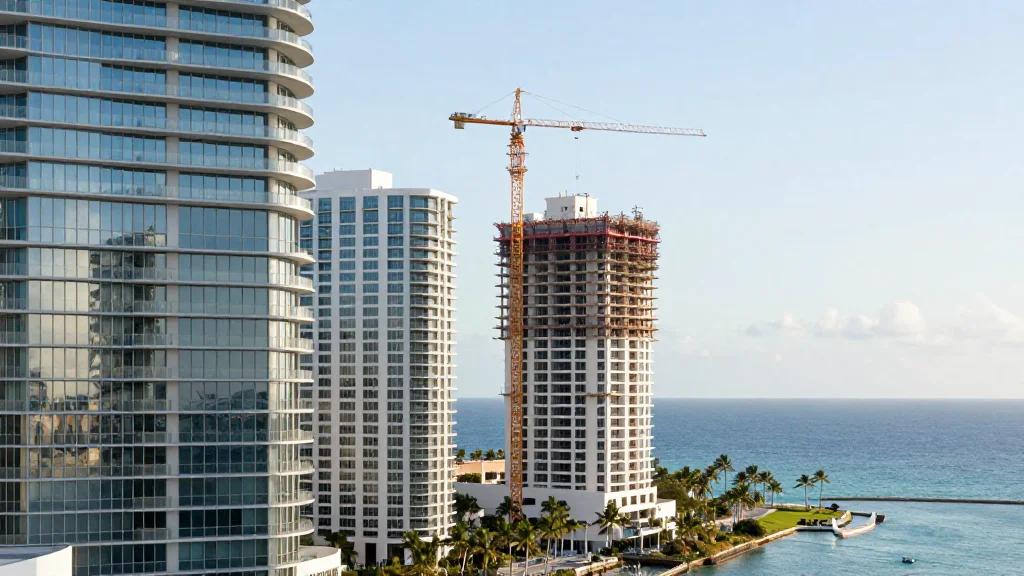
Stephen Ross Commits $10 Bn to West Palm Beach ‘Boomtown USA’ Mixed‑use Project

Companies Mentioned

Why It Matters
The Ross project could reshape the competitive dynamics of the Sun‑belt real‑estate market by demonstrating that a single developer can deliver a full ecosystem of office, residential, retail and health‑care assets at scale. If successful, it may encourage other developers and municipalities to pursue similarly ambitious mixed‑use plans, accelerating the migration of corporate headquarters and high‑net‑worth residents to Florida. Moreover, the inclusion of affordable rental units and major health‑care anchors could help mitigate the region’s affordability pressures while diversifying its economic base beyond tourism and retirement. For investors, the $10 billion commitment signals strong confidence in West Palm Beach’s long‑term growth trajectory, potentially boosting property values, rental rates and municipal tax revenues. The project also creates a new benchmark for public‑private collaboration, as city incentives and zoning adjustments play a pivotal role in unlocking the development’s scale.
Key Takeaways
- •Stephen Ross pledges $10 billion for a mixed‑use ‘Boomtown USA’ development in West Palm Beach
- •Related Ross plans 8 million sq ft of office space across 11 buildings, including a 125,000‑sq‑ft Cleveland Clinic center
- •ServiceNow signs a 200,000‑sq‑ft lease; Wells Fargo adds 50,000 sq ft at One Flagler
- •$1 billion in condo sales reported in the past six months, with units up to $72.5 million
- •Mayor Keith James supports the project with zoning tweaks and an “inclusive growth” strategy
Pulse Analysis
Ross’s $10 billion wager is more than a capital outlay; it’s a strategic bet that Florida can host a self‑sustaining, high‑tech ecosystem traditionally associated with coastal California or the Northeast. Historically, large‑scale mixed‑use projects have struggled to attract the full suite of tenants needed to justify their cost, often leaving office components under‑leased. Ross mitigates that risk by anchoring the development with pre‑committed tenants—ServiceNow and Wells Fargo—while simultaneously building a pipeline of talent‑attracting assets such as the Cleveland Clinic outpatient center and a Vanderbilt graduate campus. This dual‑track approach mirrors successful tech‑city models like Austin’s “Silicon Hills,” where health‑care and education institutions act as talent magnets.
The project also tests the limits of municipal incentive structures. West Palm Beach’s willingness to adjust zoning and provide infrastructure support reflects a broader trend of cities competing for capital by offering tailored regulatory environments. If the development delivers on its promised office inventory, it could force rival Florida markets—Miami, Orlando, Tampa—to up their game, potentially sparking a wave of similar mixed‑use megaprojects. However, the scale also introduces execution risk: construction delays, cost overruns, or a slowdown in corporate migration could leave the city with excess vacancy and strained public finances.
From an investment perspective, the $10 billion infusion creates a new asset class for institutional investors seeking exposure to the Sun‑belt’s growth story. The blend of high‑end residential, office, and health‑care components diversifies revenue streams, reducing reliance on any single market segment. Yet, the success of the affordable rental tower will be a litmus test for Ross’s ability to balance luxury with broader community needs—a balance that could determine whether the “Boomtown USA” moniker becomes a lasting brand or a cautionary tale of over‑ambitious development.
Stephen Ross commits $10 bn to West Palm Beach ‘Boomtown USA’ mixed‑use project
Comments
Want to join the conversation?
Loading comments...