Stewards of Home: Past and Future
Why It Matters
The renovation demonstrates how thoughtful adaptive reuse can add luxury and functionality to heritage properties while preserving cultural value, setting a benchmark for historic‑preservation projects nationwide.
Key Takeaways
- •Deep River Partners renovated historic Milwaukee Tudor since 2009
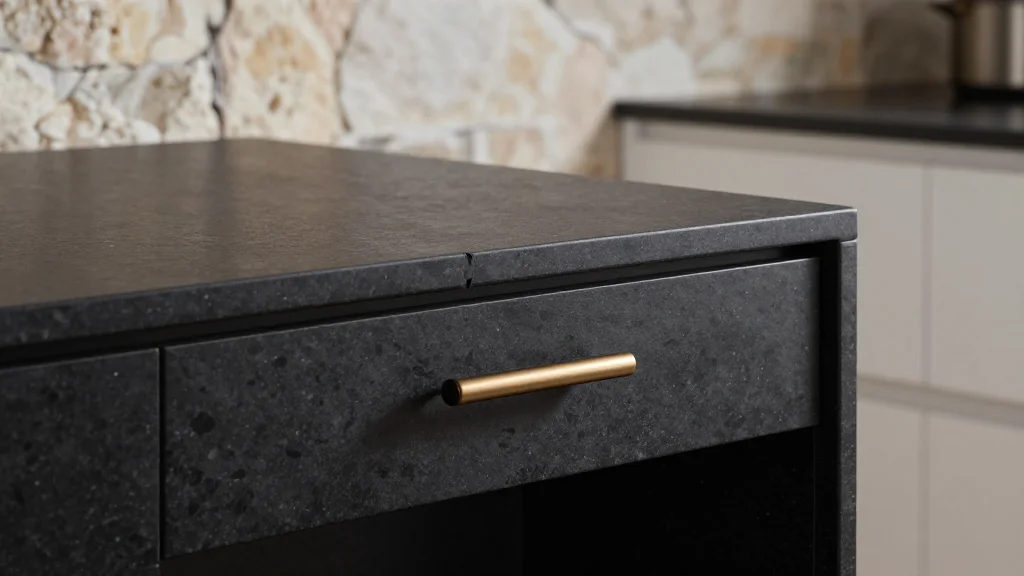
- •Modern kitchen blends white cabinets with historic limestone brackets
- •Basement speakeasy repurposes Cream City brick arches for entertainment
- •Restoration preserves original woodwork while adding new reproductions
- •Architect envisions house staying celebrated through the 2120s
Pulse Analysis
Historic home renovation is evolving from pure preservation to a hybrid of restoration and modern luxury. In Milwaukee, the limestone Tudor on the city’s dense historic district illustrates this shift. By retaining original masonry, woodwork, and period details while introducing high‑end kitchen appliances, LED‑lit coffered ceilings, and a bespoke speakeasy, the project showcases how architects can honor a building’s narrative without sacrificing contemporary comfort. This approach aligns with a broader market trend where buyers seek authenticity paired with upscale amenities, driving higher resale values and community revitalization.
The role of the architect as a "steward" is central to successful adaptive reuse. Nicholas Blavat’s philosophy of “modern livable architecture” emphasizes identifying tensions between past and present and resolving them through design solutions that feel inevitable. The project’s structural engineering—addressing low basement ceilings, drainage, and HVAC—demonstrates how modern building science can unlock previously unusable spaces. By converting the basement’s Cream City brick arches into a speakeasy, media room, and exercise area, the renovation adds revenue‑generating entertainment zones while preserving the historic fabric.
For developers and preservationists, the Milwaukee Tudor offers a case study in balancing economic viability with cultural responsibility. The seamless integration of new cabinetry, bronze hardware, and LED lighting proves that contemporary finishes can complement, rather than clash with, historic elements. As cities across the United States grapple with aging housing stock, projects like this illustrate a scalable model: invest in meticulous restoration, incorporate modern functionality, and market the result as a premium, story‑rich residence. Such strategies not only protect architectural heritage but also meet the growing demand for luxury homes with genuine character.
Stewards of Home: Past and Future
Comments
Want to join the conversation?
Loading comments...